Before You Search for an Alzheimer’s Clinical Trial
Finding the right clinical trial isn't just about searching a database. It's about understanding where you are in the disease and how different therapies work.
Deborah Kan is an award-winning journalist and founder of Being Patient. In this “Thought of the Week” column each Friday, she highlights one of the key stories shaping the future of brain science.
Dear readers,
A while back, a reader named Tom asked me about a study but he couldn’t remember where he read about it. He has Alzheimer’s, and he has no medical background. He thought he found something that seemed relevant, and wanted to know what I made of it. He said he follows our quarterly Trials Update but could not remember whether we had ever covered this particular trial, and he thought that was probably his disease.
The study Tom was looking for was on gamma frequency stimulation, an approach being tested by a company called Cognito Therapeutics using light and sound at a specific frequency rather than a drug. Tom had read an article about it on Being Patient but had no idea how he could find the trial or participate.
This is a common problem for people looking to participate in a clinical trial. Most rely on their doctors, but a doctor is not going to give an overview of everything that is going on in Alzheimer’s research. And to make sense of a trial listing, you need to already know where you are in the disease — and almost nobody is told that clearly.
Alzheimer’s does not begin with symptoms. It begins with amyloid, a protein that starts accumulating in the brain years before anything is noticeable. Then comes tau, the tangles that form inside neurons. Then inflammation. It is at that inflammatory stage that most people first notice something is wrong. This means by the time you are sitting in a doctor’s office getting a cognitive assessment, you are already well into a process that started long before.
That sequence is the thing most people don’t know but the thing you need in order to read a trial listing, because every trial is aimed at one part of it. A drug targeting amyloid and a drug targeting inflammation are not competing options for the same person at the same moment. They are aimed at different points on a timeline. Without knowing the timeline, the listings are just names.
ClinicalTrials.gov is a valuable resource and I am glad it exists. But most people I hear from leave it more confused than they arrived. It was built to register trials, not to explain them.
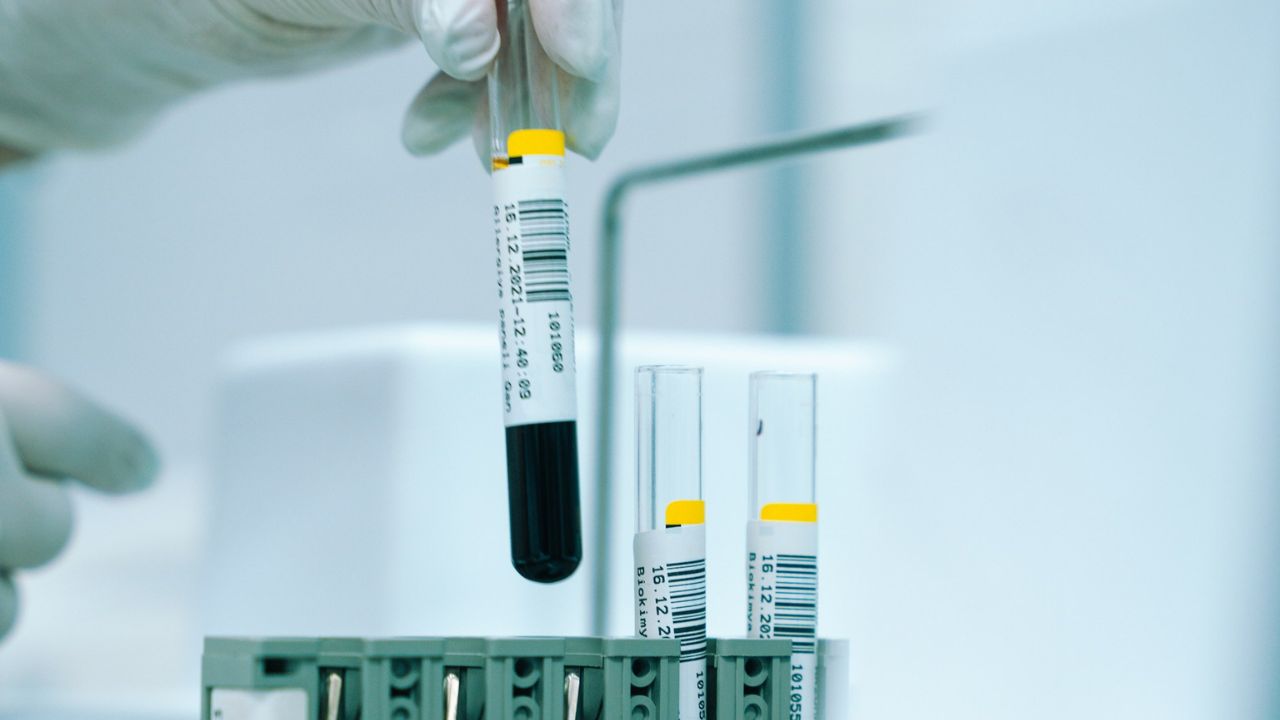
What has changed recently is detection. Blood biomarkers and new diagnostic tests can now identify what is happening in a person’s brain far earlier than we could before. That is crucial for trials, because a trial aimed at early pathology needs participants who are actually at that stage, and until recently there was no practical way to find them.
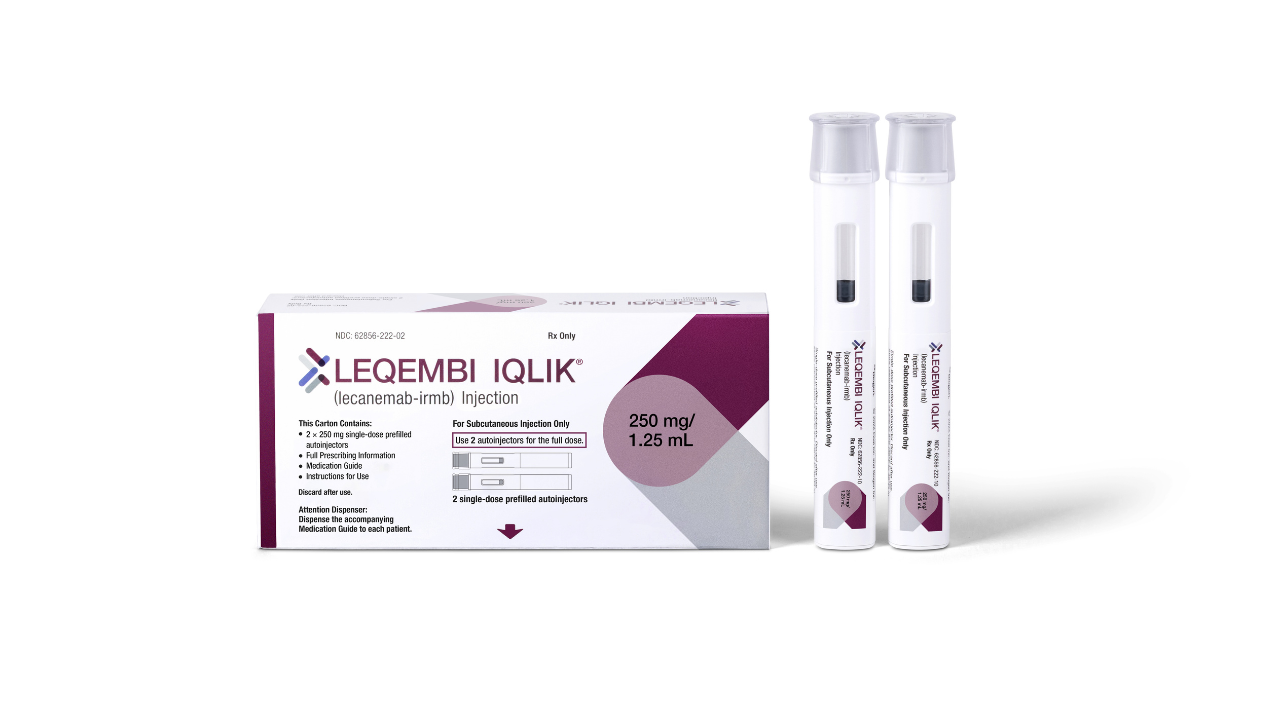
The reason Alzheimer’s has been so hard is that we have had very few disease-modifying medications that work. Two monoclonal antibodies are now on the market, but this is only the very beginning stage of treatment.
The scientific community increasingly expects a solution to Alzheimer’s to look more like HIV treatments. No one drug solves it, but several therapeutics can hit different parts of the pathology at once, slowing neurodegeneration from multiple directions. Up to this point, most researchers agree that you cannot reverse it. Slowing it down is the goal, and getting there will take far more research than has been done.
Trials need people at every stage, including people who are not looking for treatment. Diagnostic studies need participants to validate whether a blood test actually works. Observational research needs people willing to be followed over time. Brain donation programs need families willing to donate to science. When I hear from readers who assume clinical trials mean drug trials, I understand why. But a great deal of what moves this field forward is people contributing to knowledge rather than seeking a therapy.
My mother had three pathologies in her brain. We only learned that after she died, from the autopsy. I think about how much of what we now know came from families who agreed to that, and about how little any of us understood at the time that it was an option.
In my view, the reason trial information fails people is not that it is hidden. It is that it arrives without the context that people need to make sense of it. That is between you and your doctor. What we can do is explain what a drug is actually trying to do and which part of the disease it is aimed at, so that when you sit down with your neurologist you are asking questions rather than reading names off a list.
That is why we built the Trials Update. It comes out quarterly, highlights which are recruiting, and explains the science behind each approach rather than just listing them. If you think you may want to, you will get an unbiased view of what is happening. Sign up here if you would like to learn more.
With hope,
Deborah