A Doctor’s Perspective on Medication Choices for Dementia

A physician explains what families should know about antipsychotics, antidepressants, anti-anxiety drugs, and newer Alzheimer’s treatments.
Dr. Catherine Madison is the Medical Director of Seniors At Home and Rhoda Goldman Plaza. She was also founding director of the CPMC Ray Dolby Brain Health Center in San Francisco. Lessons painfully learned caring for her mother with Alzheimer’s give Dr Madison a deeper insight and perspective in her care practices and with writing the book; “Navigating Memory Loss: Essential Questions and Answers on Alzheimer’s and Dementia.”
When a loved one is diagnosed with a form of dementia, an entire life plan can fall into disarray. Phrases like, “We were going to…” or, “She always handled the…” eventually melds into, “What am I going to do?”
There never seems to be a lack of friends or acquaintances offering suggestions, so how does one know the best course to follow?
Navigating becomes even more complicated when you are making a transition to assisted living – often with memory care. I experienced this recently when a struggling husband sent the brief message below:
“In speaking to various people at the retirement homes we have visited, a couple of product names have been discussed.
Mood Stabilizer – Seroquel
Anti-Anxiety – Ativan
To slow dementia – Namenda.”
This list of behavior-altering drugs worried him. His wife is struggling with her current home environment, and we anticipate the challenges will likely worsen with the impending change.
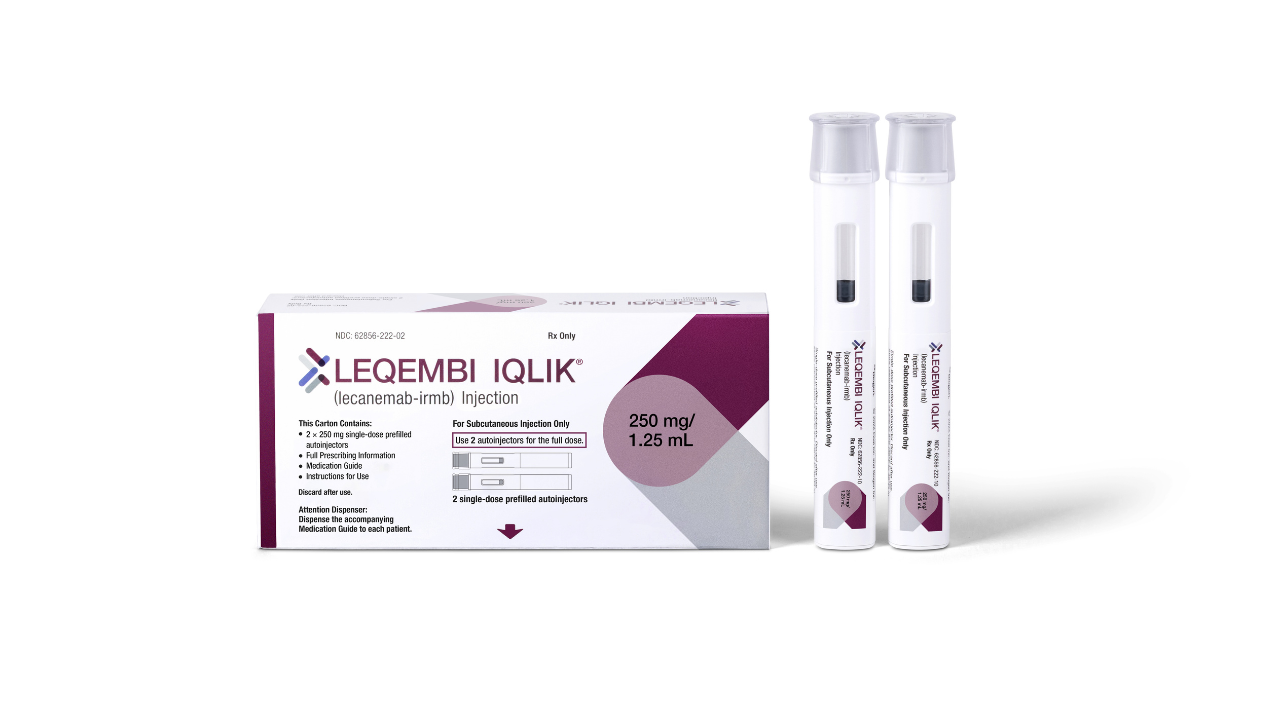
So let’s talk about medicines. Thankfully, we now have some treatments available early in the course of an Alzheimer’s diagnosis. If doctors are sure this is the correct diagnosis they can work with a team to provide antibody treatments that remove amyloid from the brain.
But for the many others still struggling with navigating daily challenges related to changing behavior and interactions, there is no clear prescription. Understanding what is driving unusual behaviors (such as anosognosia, discomfort or illness) is the first place to start.
A large review of 11 non-pharmacological interventions found several which seemed to be effective in treating depression and anxiety, improving quality of life, and reducing caregiver burden for informal caregivers of people with dementia.
Using this behavioral approach can avoid many unwanted behaviors, yet it is not always possible.
Over the years, I have tried to describe medications as a strategy to re-balance neurochemical systems in the brain that have been altered with damage from dementia. Doctors can choose from a variety of medications designed to work at different neuronal receptors, affecting different systems in the brain.
The desired effect of these chemical manipulations is that a person who is upset, agitated, anxious or confused will be able to feel calmer in their own mind with its altered state. We can’t fix things, but perhaps we can make it a bit easier to live with the way they have changed.
In the past, most all medications we used to treat behavioral “problems” in dementia were used off label. This means that doctors often prescribed medication for desirable side effects. Thus, medicines classified as major tranquilizers (anti-psychotics such as Seroquel) or anxiolytics (such as Ativan) were used frequently.
We need to always try and balance potential benefits with possible risks. This often means comparing the slight risk of a fall or another medical event with the thought of a loved one wandering into traffic or the wilderness.
Research in the last few years has focused on finding safer medications to treat the agitation associated with dementia and there are some successes.
A newer medication, brexpiprazole (Rexulti) was approved in 2023 to treat agitation associated with Alzheimer’s Disease. This medicine affects several receptors in the brain and the side effects appear less problematic than major anti-psychotics such as quetiapine (Seroquel).
And just last month, the FDA approved dextromethorphan and bupropion hydrochloride (Auvelity) for Alzheimer’s agitation, which has a favorable side effect profile.
A complex relationship exists between dementia and depression, and antidepressants have been used for many years to treat psychiatric symptoms of dementia. There is still no agreement on which one is “best,” and each case needs to be looked at individually.
Consideration of a person’s tendencies towards sadness, anxiety, insomnia and similar traits should be considered when a doctor prescribes any medication that affects mood.
And to slow dementia, our only choice at this time is the new amyloid targeting therapies for Alzheimer’s. Older medicines such as donepezil (Aricept) and memantine (Namenda) are classified as symptomatic only. They provide some improvement but do not change a trajectory of decline.
Today we’re surrounded by numerous sources of information, and sorting through them can be overwhelming. My advice always is to focus on the goals of treatment, accepting possible risks and keeping perspective of what our loved one would want.