VOICES: Love Doesn’t End When Memory Fades
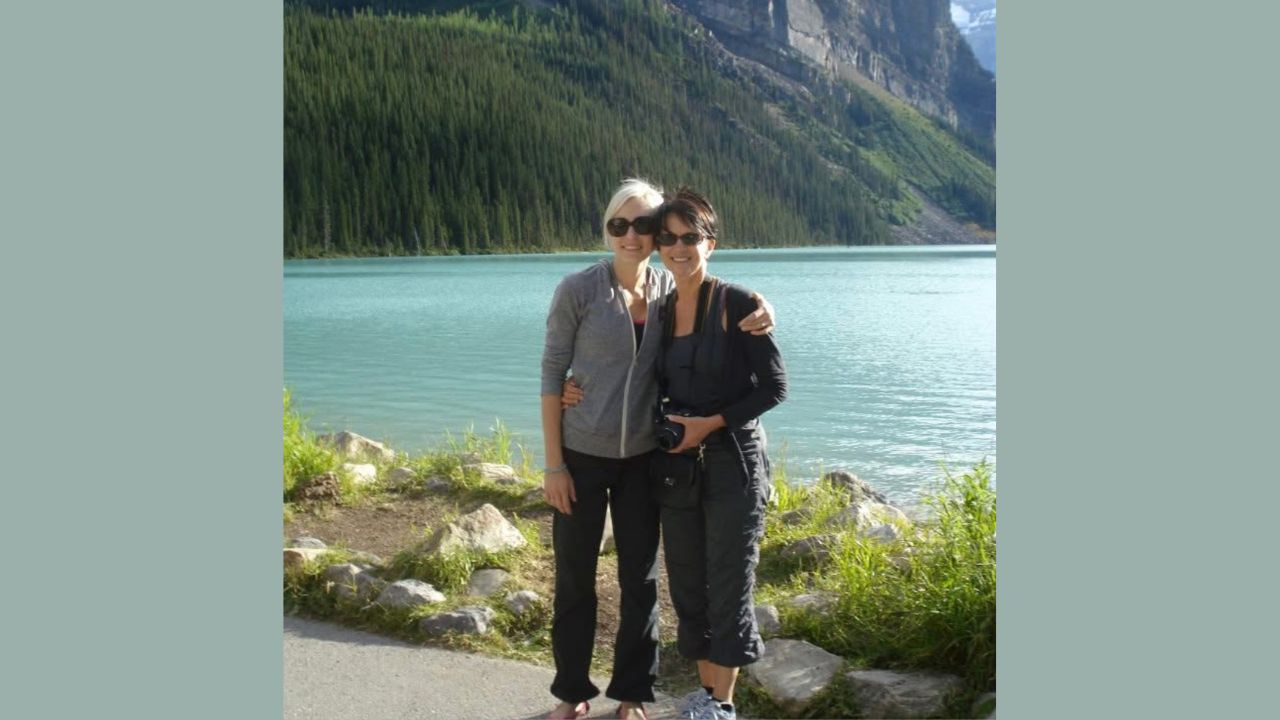
As her mother’s Alzheimer’s has progressed, Melissa Pineda learned to let go of who her mother was and meet her where she is today.
Melissa Pineda is a mom of three, has a doctorate in International Relations, speaks French and Spanish, and is a freelance editor. She is also the primary caregiver of her mother, Helene, who was diagnosed with Alzheimer’s disease in 2019.
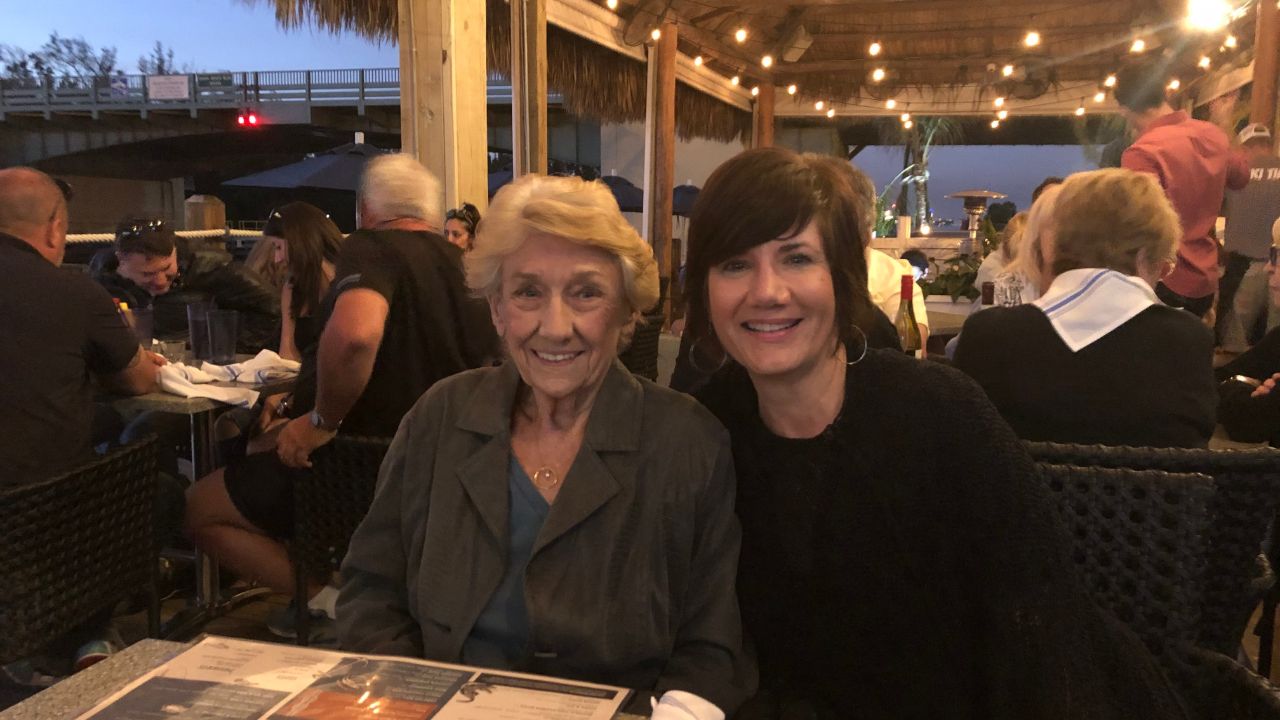
My name is Melissa, and my mom, Helene, was diagnosed with Alzheimer’s disease in 2019 at the age of 67. While we were waiting for the diagnosis, she told me she would end her life if she had Alzheimer’s. By the time the diagnosis was confirmed, she had already forgotten ever saying those words.
In fact, she forgot she had Alzheimer’s just minutes after the doctor told us. At the time, she was estimated to be somewhere between the early and middle stages of the disease.
As heartbreaking as the diagnosis was, there was an unexpected blessing hidden within it. My mom has been spared the emotional burden of knowing she has Alzheimer’s. She has never had to live with the fear, grief, or despair that often accompany the diagnosis. I, on the other hand, have carried that grief every day since.
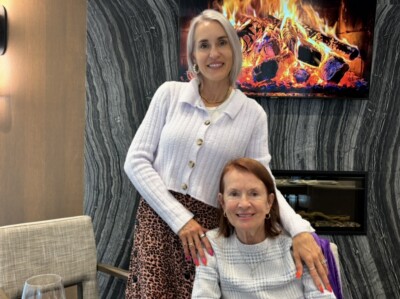
In 2022, I became her primary caregiver, and she moved in with me, my husband, and our three young children—then 3, 5, and 7. Six months later, she moved into an assisted living residence. As much as we wanted to care for her at home, living with three energetic young grandchildren became overwhelming for her, and the quieter environment allowed her to thrive.
She was happy there for nearly three years. Then, in the summer of 2025, we were told her care needs had progressed beyond what the residence could provide. She had begun getting lost, experiencing frequent accidents in her room, and sometimes mistook her cat’s food for her own. Shortly afterward, she came back home to live with us.
Since then, her Alzheimer’s has advanced rapidly. Today, she no longer understands what a fork is, let alone how to use one. There are days when she doesn’t recognize me, and she has long since stopped recognizing her grandchildren.
And yet, even in the later stages of this devastating disease, there are still blessings and silver linings.
I’ve learned that caring for someone with Alzheimer’s means letting go of who they were and embracing who they are today. I no longer try to recreate the life my mom once had. She can’t spend an afternoon shopping, arrange fresh flowers, lose herself in a good book, attend a yoga class, get her nails done, or cheer from the sidelines at my children’s soccer games anymore.
But she can still experience comfort, safety, and love.
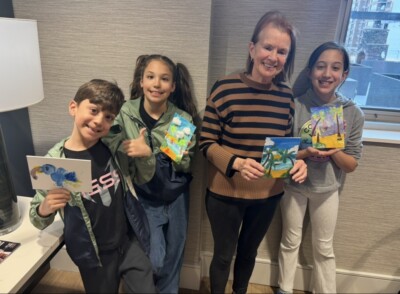
She loves when I read to her. She melts into a gentle hand or foot massage. She smiles as the sun warms her face while we sit together on a park bench listening to the birds sing. And even when she mistakes me for her mother, her sister, or an old friend, the sound of my voice still brings her peace. She may not always know who I am, but she knows she is safe with me.
That has become the greatest lesson Alzheimer’s has taught me. Love isn’t measured by memory. It isn’t dependent on recognition or conversation. Love is found in presence, in patience, in gentle routines, and in the quiet moments that remind us that connection can exist even when memories fade.
Caregiving has been the hardest role I have ever taken on, but it has also been one of the greatest privileges of my life. Alzheimer’s has stolen so much from my mom, but it has not taken away her ability to feel loved. As long as she can still find comfort in my presence, I will continue to meet her exactly where she is and make each day as peaceful, joyful, and full of love as I possibly can.