VOICES: Genealogy Made Me A Better Caregiver for My Father With Dementia
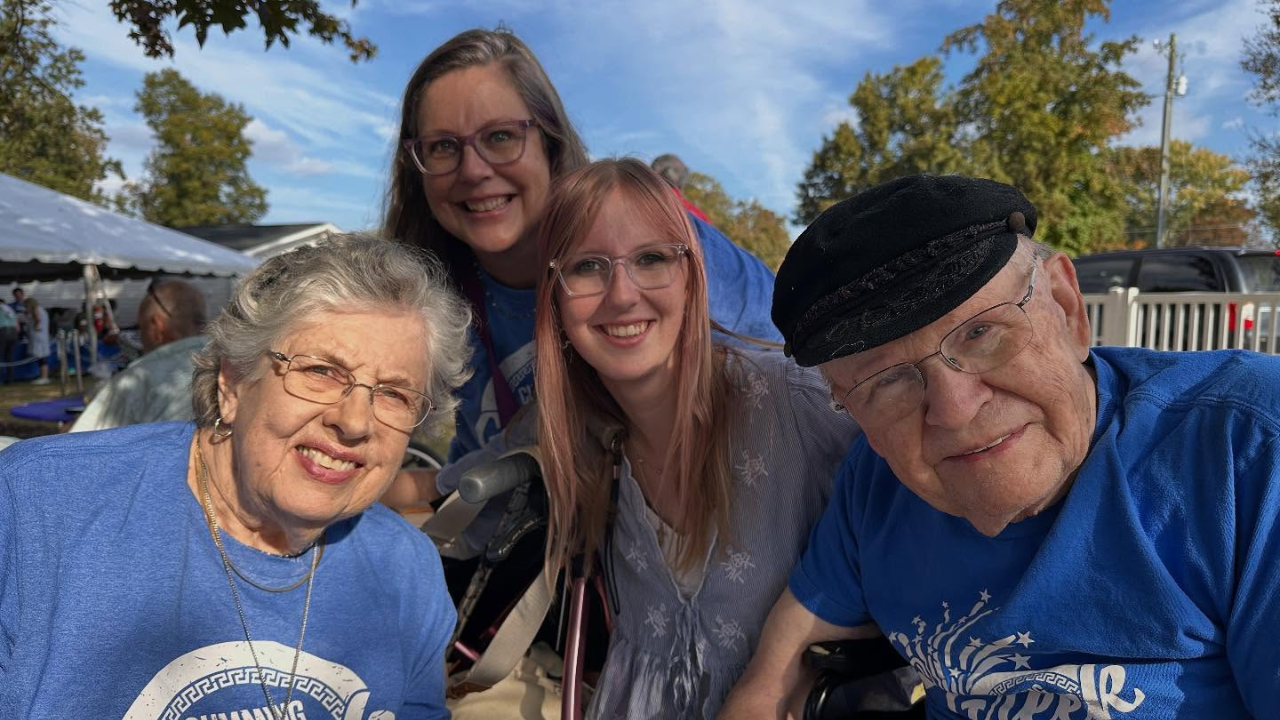
Tamara Buzyna Adams writes about how she bonded with her father over their shared passion for genealogy, and eventually wrote a book about her family's genealogy.
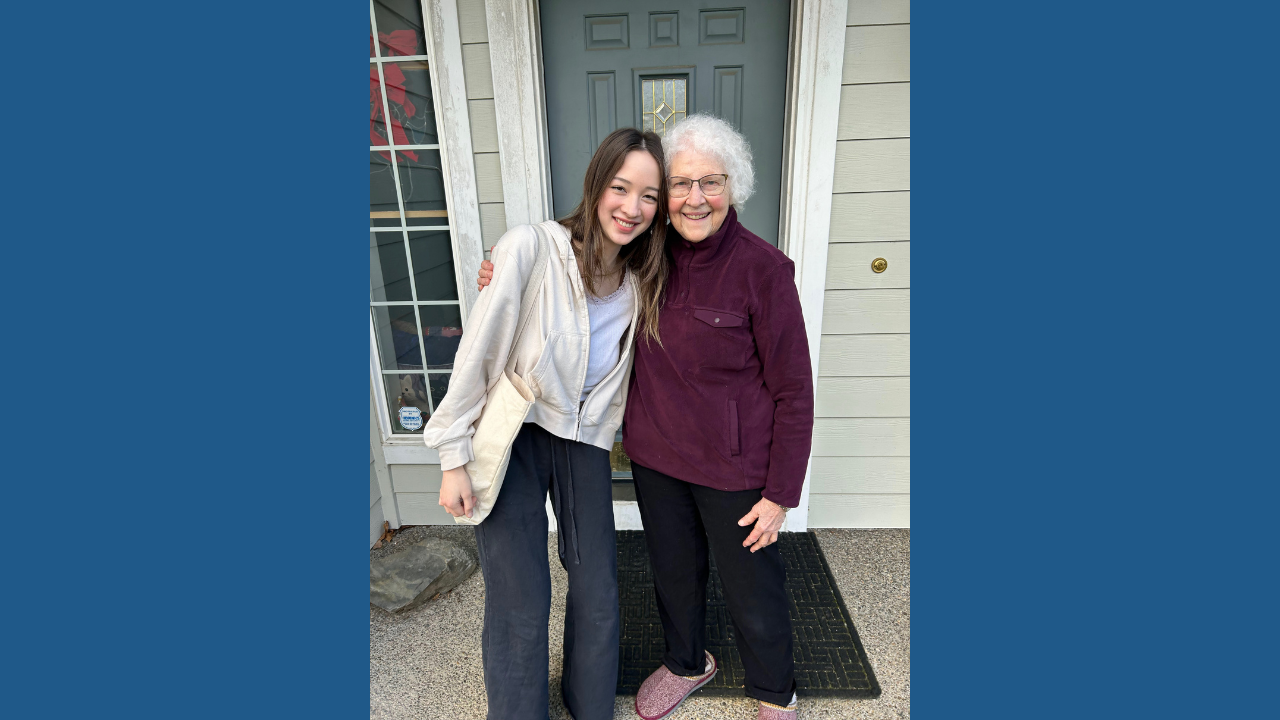
Tamara Buzyna Adams was a caregiver to her father, who had dementia. She continues to care for her aging mother while pivoting careers midlife, as a genealogist and author.
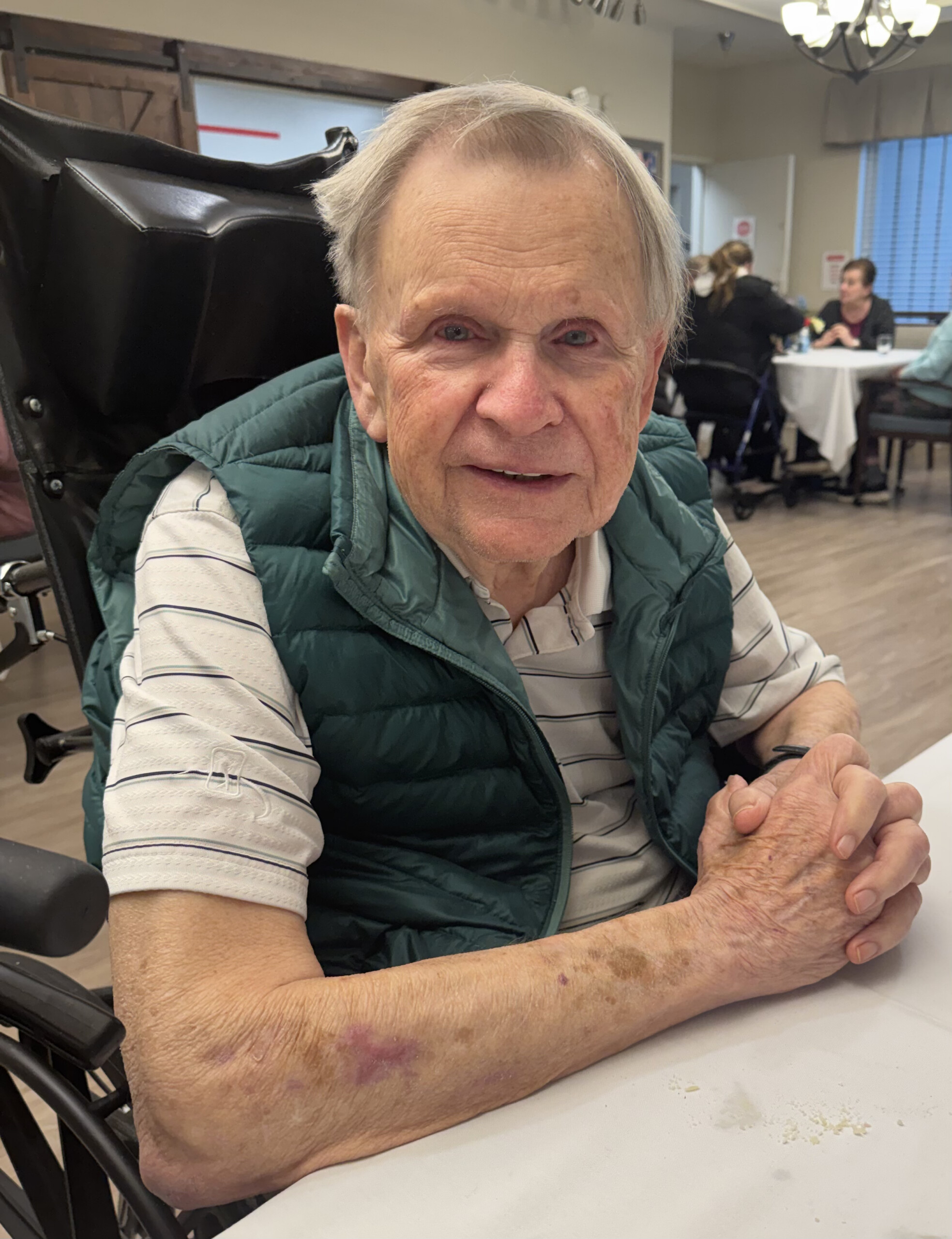
Even though my father, Dr. George Buzyna, couldn’t remember what he had for lunch or that I was his daughter, he loved talking about what he recalled from historic events. He was born in Poland in 1938, and lived in a displaced persons camp in Germany from 1945 to 1950 before immigrating to the United States with his family.
Knowing where he came from, and ultimately where I came from, was always important to my family.
The dementia slowly started showing signs around 2017. At that time, my parents sold their home in Florida to be closer to me in Alpharetta, a suburb of Atlanta, Georgia. Even though I have a brother, he lives a four-hour flight away, so as the years went on, I found myself as my parents’ day-to-day caregiver.
Having always been fascinated by our family history, I was excited to have them near me so I could ask questions about their past and what they knew about our ancestors.
I planned meetings at my parents’ house to look through memorabilia and, in particular, to interview my father. I could see that he was starting to exhibit word-finding problems and difficulty remembering simple things in daily life. He’d laugh it off as a way to cover up his memory decline.
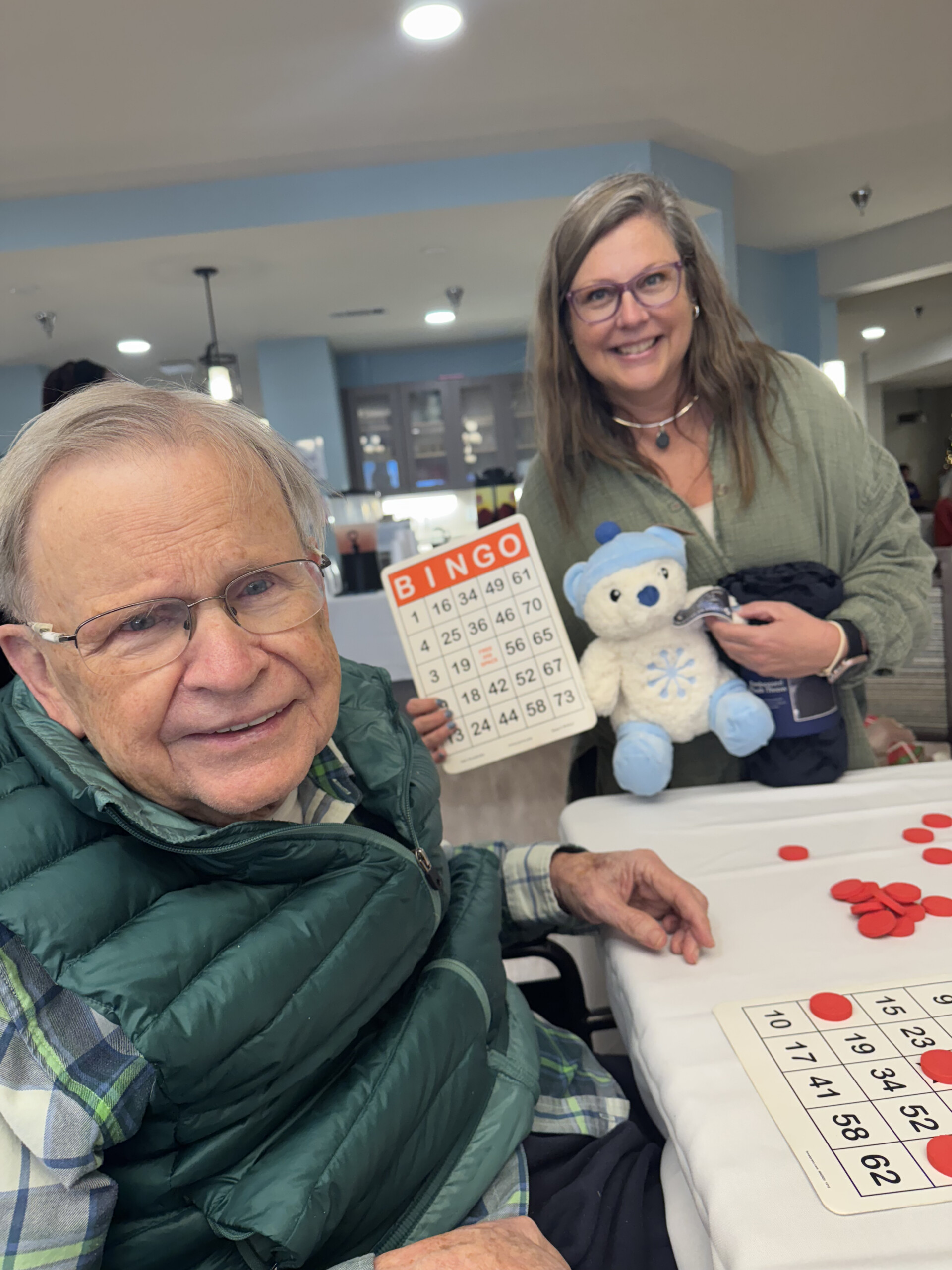
But I knew I had a limited amount of time left with him to get down stories. Whenever we had a chance, we’d meet up at local coffee and donut shops, and I’d ask for more stories about their parents. His face would light up as he shared about our genealogy.
And then, right when the COVID shutdown began, things really took a turn for the worse for my father. To help him, my mom would give him small jobs around the house and daily checklists. But to help her cope not only with the world shutting down (because of the pandemic), but with my father’s decline, my mom and I decided to lean into our genealogy and create a project together.
We loved talking about our family history and the uniqueness of how my family got to the United States. Creating a COVID project that involved our favorite hobby felt supportive.
The first step was to take my grandmother’s century-old diaries and translate them from Russian to English. My mother spoke fluent Russian, and translating the diaries was something she had always wanted to do but never had time.
As my mother and I progressed with our translation project, it quickly evolved into something much more. My mother and I would share visuals like photographs, photobooks, or memorabilia we found with my father. That would bring him on a trip down memory lane, which resulted in both his and our mental health improving.
I witnessed how the process of researching our family history grounded my mother and how it helped her cope with my father’s slow decline. In turn, I noticed how my father would light up when I asked him about certain moments from his childhood or told him about what we uncovered from my grandmother’s diaries. The father I knew growing up quickly emerged, and I didn’t see the man who couldn’t remember things. Seeing that spark in him supported me as his daughter and caregiver.
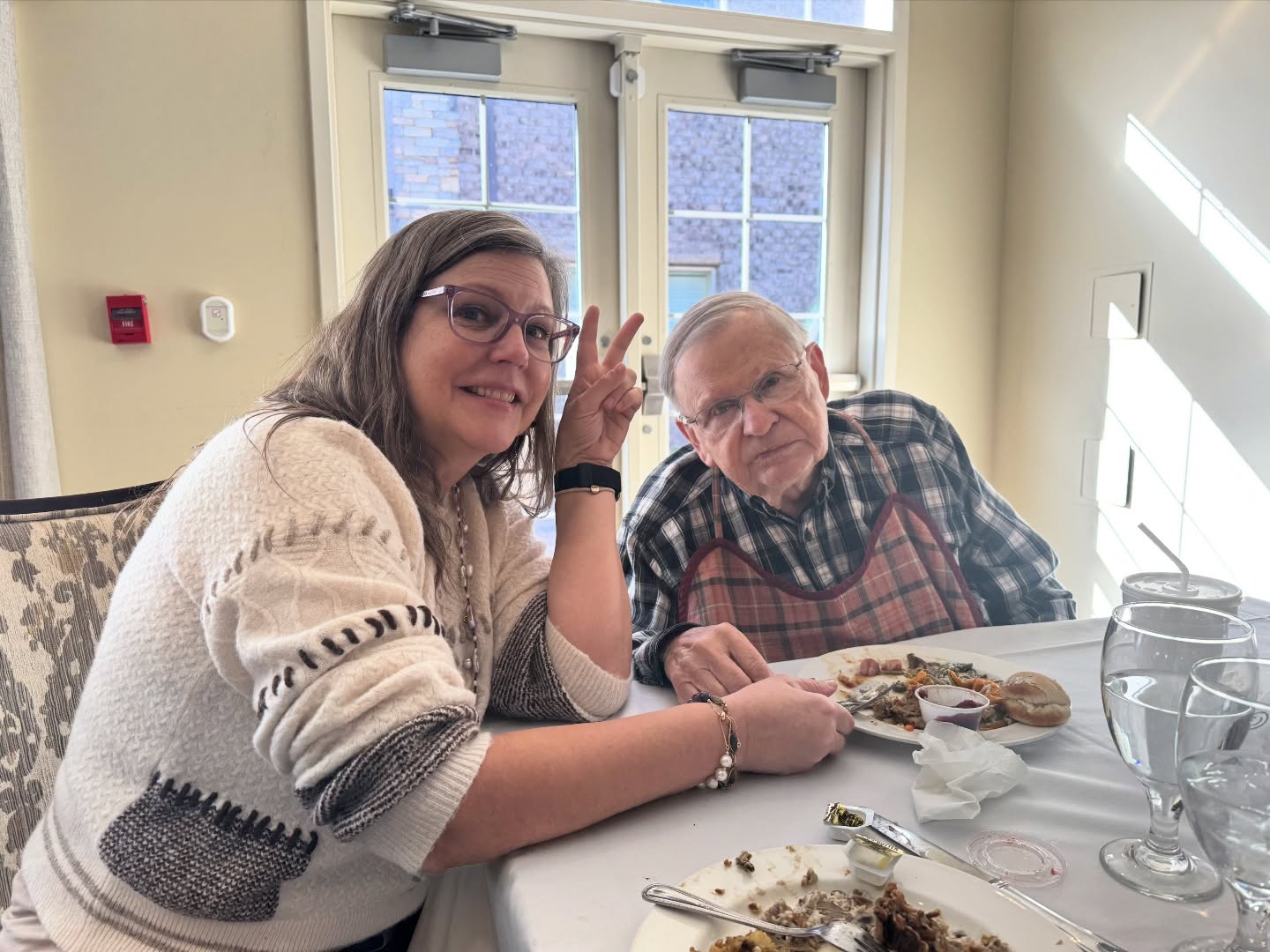
Our genealogy project unknowingly became a self-discovery journey for me. In addition to being a new caregiver, and living through a global pandemic, I had just turned 50 and had two teenagers at home struggling with virtual school. Learning my family history saved my life during an uncertain time. As my father’s decline progressed, I could see his words decreasing along with the attempts to cover up his failing memory. It was difficult to witness, and intentional or not, I would throw myself into something I enjoyed, which most often was working on genealogy projects.
What started as a passion project turned into my published book, Last Ship to Freedom.
My father was the first person I showed my physical book to. He knew I had been working on the book for quite some time, even though his short-term memory was fading. He was excited and flipped through it when I was taking him to church. At this point, he wasn’t able to read it. He smiled at me, holding it in his hands and flipping through the off-white pages. He wasn’t able to say much, but I knew he was proud of me.
I told him the next book I was going to write would be about his family and how they came to America. I was thankful that I used what precious time I had to have both casual and calculated conversations about his family story. I truly feel like I got all the information I could from him before it was too late. My father passed away at the age of 87 after having dementia for six years.
Exploring your family history with a family member with dementia reminds them where they came from and helps with self-identity. It brings life back to a person seemingly lost in their own thoughts, even if just for a moment. Discussing family history with a loved one with dementia is equally beneficial to the caregiver. As I watched my father’s decline almost on a daily basis, the moments we connected through genealogy brought me peace and sanity to the situation. I believe he felt the same way.