New Tau Biomarkers Could Enable Earlier Diagnosis of CTE and Rare Dementias
Scientists at the tau global conference discussed the development of new biomarkers that could detect these tangles in neurodegenerative diseases beyond Alzheimer’s.
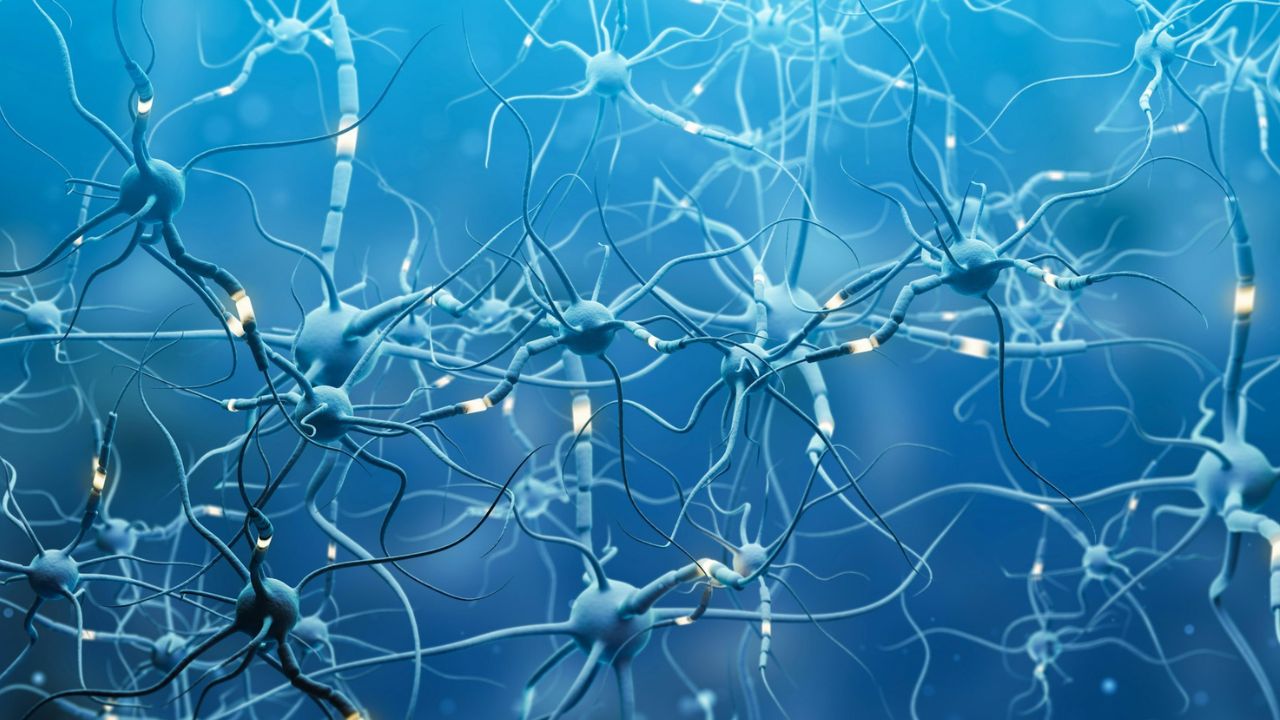
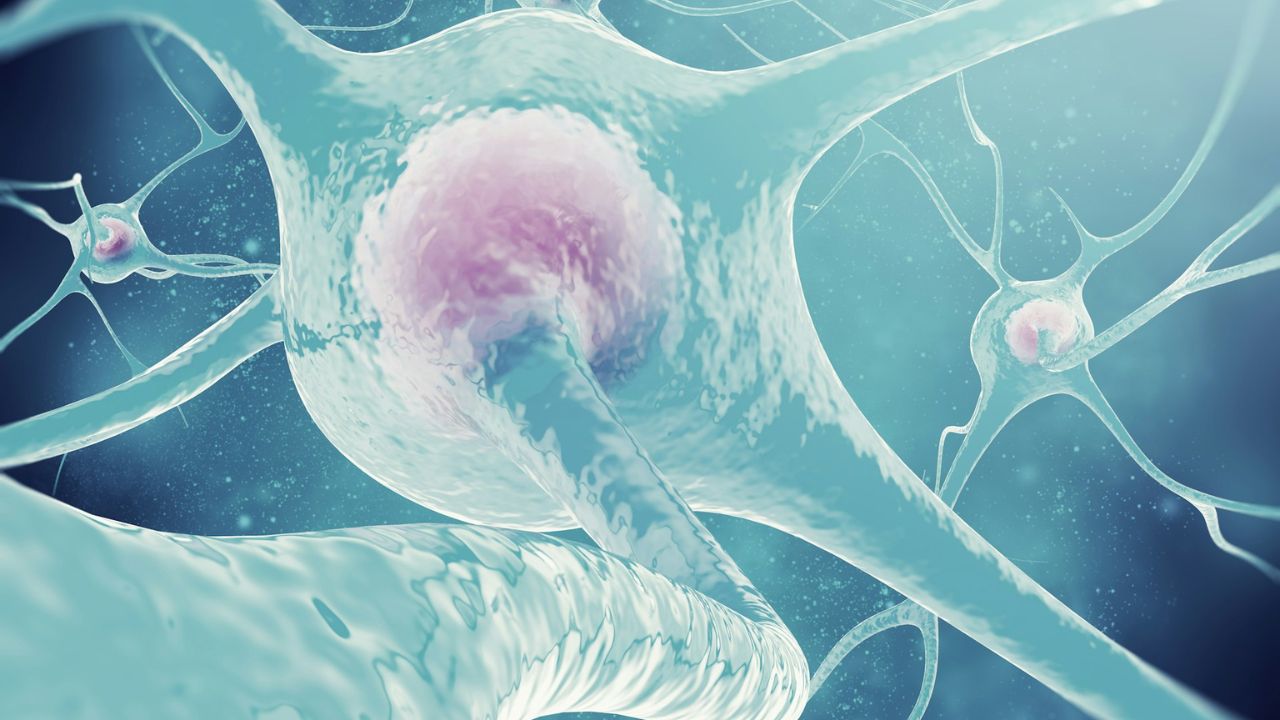
Tau proteins stabilize the cellular highways within brain cells. But with infections, brain injuries, and neurodegenerative diseases, these proteins detach from the molecular highway and begin to misfold and twist into structures called tau tangles.
Scientists are actively developing better tools to detect these tangles that would enable them to diagnose rare dementias and other diseases like chronic traumatic encephalopathy (CTE) in living patients. On May 14, a group of scientists at the Tau Global Conference in Washington, D.C. presented the latest research into tau biomarkers.
Do the biomarkers match up with tau and amyloid in the brain?
Blood, cerebrospinal fluid, and imaging biomarkers help doctors diagnose Alzheimer’s and may one day do the same for other neurodegenerative diseases. But how closely do they match up to postmortem tissue?
While most of the work validates the use of these biomarkers in Alzheimer’s, Baayla Boon, a research fellow at the Mayo Clinic who presented at the conference, told Being Patient that “there’s a lack of useful biomarkers for non-Alzheimer’s diseases.”
Boon also cautioned that these biomarkers are proxy measurements. The proteins detected in cerebrospinal fluid and blood are excreted from brain cells and don’t match up one-to-one to the buildup in the brain itself.
Even PET scans only paint part of the picture — under a microscope, some beta-amyloid is still present deep in the brains of individuals who received anti-amyloid treatments that substantially brought down the levels of amyloid on a PET scan.
Tau PET scans don’t work for CTE
Researchers are using tau PET scans to measure the levels of tau tangles in the Alzheimer’s brain to understand how they drive cognitive decline and track the impact of treatments in clinical trials. Could the same tools diagnose chronic traumatic encephalopathy (CTE) — a disease caused by repeated blows to the head?
Right now, there’s no way to diagnose CTE in living individuals. Since scientists often find evidence of tau tangles upon brain autopsy, Michael Alosco, co-director of Boston University’s CTE Center, checked with tau PET imaging used for Alzheimer’s could detect CTE in people suspected to have the condition. But the results didn’t pan out as he would have hoped.
“What currently works for Alzheimer’s disease,” Alosco told Being Patient, “is not working out for CTE.”
Tau PET imaging involves injecting a safe radioactive tracer that binds to a specific region of a tangled tau protein, emitting a small amount of radiation that’s picked up by a brain scanner. Because of the location, structure, and shapes that tau tangles take in CTE are so different from Alzheimer’s, new tracers are needed to enable their detection in CTE.
A tau biomarker to diagnose rare dementias
Many people with progressive supranuclear palsy (PSP), a rare neurodegenerative disease, develop movement-related symptoms and as a result, are initially misdiagnosed with Parkinson’s.
It may take up to four years to get a proper diagnosis, and in the meantime the disease progresses, leading to cognitive changes and an accumulation of tau tangles. But the tau biomarkers used for Alzheimer’s don’t work in PSP.
Ed Jabbari of University College London presented his work developing a cerebrospinal fluid test — called a seed amplification assay — that could spot the tau tangles that form in PSP early.
The test shows promise in differentiating between people with PSP, Alzheimer’s, and Parkinson’s. His research team is combining this assay with another one that detects alpha-synuclein, a hallmark protein implicated in Parkinson’s but is also present in Alzheimer’s and other dementias, to improve the diagnostic power.
These biomarkers could allow researchers to accurately identify and stratify participants for trials of disease-modifying treatments.
Developing tau PET scans for diseases beyond Alzheimer’s
The shapes and locations of tau tangles across neurodegenerative diseases make them difficult to detect with tools developed for Alzheimer’s tau.
Neil Vasdev, the scientific director of the Brain Health Imaging Center at the Centre for Addiction and Mental Health in Toronto, Canada, presented his work developing a “pan-tau tracer” for PET imaging that binds to tau across different neurodegenerative diseases.
Vasdev shared preliminary data showing that it may spot tau across five study participants with progressive supranuclear palsy (PSP) and three with suspected CTE. “I will say that our preliminary data is quite promising,” he told Being Patient.
Vasdev cautioned that they need to test on more individuals to ensure the tracer works well in both men and women, across different age groups, and across different causes of brain injury, including military and intimate-partner violence-related.
The trials for Leqembi and Kisunla that led to their approval included tau PET imaging, and many other late-stage Alzheimer’s trials are also tracking how the treatments impact tau. New biomarkers, like Vasdev’s pan-tau tracer, could help make a definitive diagnosis for other neurodegenerative diseases, opening the door for clinical trials to treat these diseases earlier.
FAQs
No. Right now, CTE can only be diagnosed post-mortem. Current tau PET scans approved for Alzheimer’s fail to accurately detect tau in CTE. Research is ongoing into new tau radiotracers that would enable diagnosis in living individuals.
The tau shapes of the tau tangles that form in Alzheimer’s are different from the shapes that tau takes in other dementias. The tau also forms in different locations and at different densities, rendering current tau biomarkers ineffective.
Scientists are in the early stages of developing biomarkers for non-Alzheimer’s neurodegenerative diseases. At the Tau Global Conference, researchers presented promising preliminary data for a new tau PET biomarker that is sensitive to non-Alzheimer’s forms of tau tangles, and another cerebrospinal fluid assay that could help diagnose a rare form of dementia called progressive supranuclear palsy. If these tests pan out, a new test may reach the market within five years, though exact estimates are difficult to make.