New Genetic Risk Factor Identified for Rare Form of FTD
A variant in the GOLGA8A gene may explain up to 60% of cases of an aggressive subtype of frontotemporal dementia.
Frontotemporal dementia (FTD) is a group of rare diseases caused by the progressive buildup of toxic proteins in the frontal and temporal lobes of the brain. The damage leads to changes in behavior, language abilities, and sometimes motor function in one’s 40s and 50s that progresses quickly.
While Alzheimer’s is defined by beta-amyloid plaques and tau tangles, a multitude of different aggregating proteins are implicated across different subtypes of FTD.
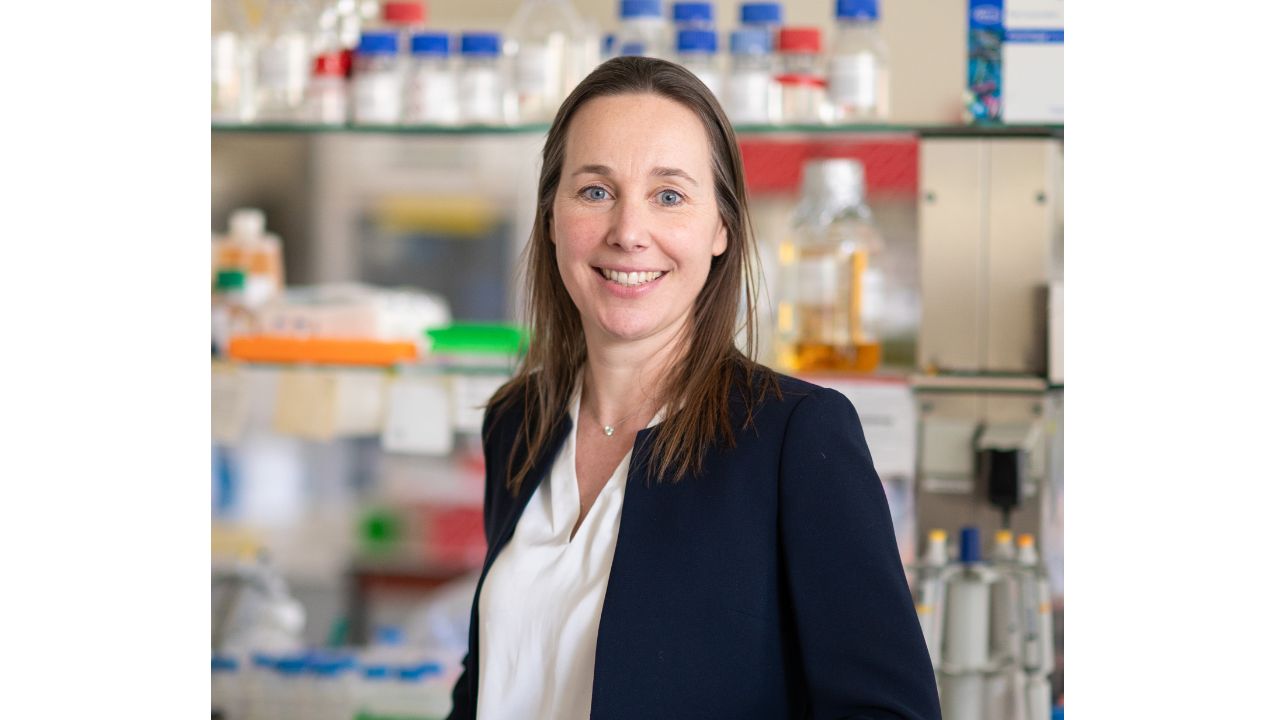
Dutch neurogeneticist Rosa Rademakers has built a career hunting down the genetic causes of FTD. In 2006, she was the only researcher who was part of two different teams that identified the GRN variant and in 2011 her laboratory identified C9orf72, both of which lead to a buildup of TDP-43 causing FTD.
About 5 to 10 percent of cases are characterized by the buildup of proteins from the FET family — FUS and TAF15 — a subtype called FTD-FET that often causes sudden, aggressive behavioral and personality changes in the 30s and 40s. Since the disease didn’t seem to run within families, many researchers were skeptical that genes played a role.
“I’m a geneticist, so I tend to disagree with that,” Rademakers, professor at the University of Antwerp in Belgium and researcher at the Mayo Clinic, told Being Patient. She undertook a 15 year project, working with researchers across the world to study the brains of people who had died with FTD-FET.
Her recent study in Nature Genetics unmasks a hidden genetic factor that may contribute to as many as 60 percent of cases of FTD-FET.
The genetic risk factor, a variant of the GOLGA8A gene, is in some ways like the Alzheimer’s risk gene APOE4, as it increases the risk of developing Alzheimer’s but does not guarantee that someone will develop it.
“Unexpectedly, there is one strong genetic factor that many of these patients shared,” said Rademakers.
Carrying the genetic risk factor is not enough to cause the disease, as other family members who had the same variant never developed FTD-FET. She believes that additional environmental risk factors, which still need to be identified, could trigger the disease in those who carry this risk factor.
Searching for clues in the DNA
When researchers want to know whether genes affect a certain disease, they conduct a genome-wide association study. Usually, this involves looking at hundreds or thousands of people with a disease to find out which genes increased their risk.
But since FTD-FET is rare and sometimes misdiagnosed, Rademakers and her collaborators were limited to 59 people with the FTD-FET and 3,153 controls. Many people with early-onset FTD that involve aggressive behavioral symptoms “are usually classified as psychiatric cases,” , Dr.Chiadi U. Onyike, a geriatric psychiatrist at Johns Hopkins who serves as director of the Frontotemporal Dementias Program told Being Patient.
Even when the diagnosis is corrected to FTD, Onyike, who wasn’t involved in this study, added that few of these individuals seek out specialty FTD centers where they might be included in research.
The researchers zeroed in on a section of chromosome 15 that their analysis suggested carried a major risk factor. Using specialized genetic sequencing techniques, they found a version of the GOLGA8A gene that was very common in FTD-FET but rare in the general population, conferring a 27-fold increased risk of the disease.
The variant is what geneticists call a “dinucleotide expansion,” which is a repeating typo of two DNA letters. On average, the typo was repeated more than 200 times in people who went on to develop the disease.
“It had never been seen before to have a disease where there are just two letters,” said Rademakers. Usually, when repeats increase the risk or cause a disease, they are three to 12 basepairs long. The dinucleotide expansion is new territory, meaning “we really do not know yet how this repeat is causing disease,” she said.
Onyike called the study “rigorous,” adding that Rademakers “one of the leading authorities on the molecular genetics of FTD.”
In the last decade, researchers had discovered more individuals with genetic mutations thought to always cause FTD — like GRN or C9orf72 — who never developed the disease. With that in mind, Onyike said, these findings that the genetic mutation doesn’t always lead to FTD-FET isn’t as surprising.
What the genetic discovery means
While the discovery changes researchers’ understanding of this rare form of FTD, it isn’t enough on its own to bring about new treatments. Scientists will need to figure out how the dinucleotide expansion causes disease — for example, by generating toxic or dysfunctional proteins or affecting how other genes are regulated.
People with FTD-FET all have similar symptoms and age of onset, making them unlike those with other genetic versions of FTD that are more variable, even within the same families. Now that scientists have found the mutation, Onyike said, they could go back to brain banks and see if people with other symptoms or diseases actually had the mutation for FTD-FET as they had done for other genetic forms of FTD in the past.
“When the C9orf72 mutation was discovered and people went back to screen for it in their tissue libraries,” said Onyike, “they started to discover that, well, some of these cases presented in ways in which FTD was never suspected.”
Understanding how genetic risk factors lead to FTD‑FET could also help test and stratify participants for clinical trials. It could make sure that people enrolling for other dementia trials don’t actually have this rare form of FTD.
Despite the challenges ahead, Rademakers is hopeful these discoveries could translate to effective treatments one day.