Alzheimer’s and Genetics: What Your Family History Really Means for Your Risk

The complete guide to ApoE4, hereditary Alzheimer's, genetic testing, and what the science says you can actually do about it.
Few pieces of medical information land with more weight than finding out Alzheimer’s disease runs in your family. For some people, that knowledge has existed for years — a parent’s diagnosis, a grandparent’s decline, a pattern of memory loss stretching back through generations. For others, a genetic test result can confirm existing suspicions of being at genetic risk or be a complete surprise.
Either way, the questions that follow tend to be the same. Does this mean I’ll get it? What are the chances? Is there anything I can do?
The honest answer is more nuanced — and more hopeful — than most people expect. Genetics is one piece of the Alzheimer’s puzzle, but it is not destiny. Understanding what you can do even if you live with genetic risk is one of the most important things you can do for your brain health.
What does “genetic risk” for Alzheimer’s actually mean?
Alzheimer’s disease doesn’t have a single cause. Age remains the greatest risk factor — the disease affects roughly one in 10 people over 65, and one in three over 85. But genetics plays a meaningful role for many people, and that role operates on a spectrum.
At one end of that spectrum are rare, deterministic gene mutations that usually lead to early-onset Alzheimer’s. At the other end are common genetic variants that nudge risk up or down but are far from a verdict. Most people who worry about their genetic risk fall into this second, more complicated category.
To understand where you fall, it helps to understand the difference between two very different kinds of genetic involvement in Alzheimer’s: deterministic genes and risk genes.
Deterministic genes: The rare, high-certainty cases
A small percentage of Alzheimer’s cases — less than 1 percent — are caused by rare mutations in three specific genes: APP (amyloid precursor protein), PSEN1 (presenilin-1), and PSEN2 (presenilin-2). People who carry mutations in these genes are likely to develop Alzheimer’s, and they typically develop it early — often in their 40s or 50s. This is what clinicians call familial early-onset Alzheimer’s disease.
These mutations are passed down in an autosomal dominant pattern, meaning a child has a 50 percent chance of inheriting the mutation if only one parent carries the mutation. If the child inherits it, they are likely to develop the disease.
PSEN1 mutations are the most common of the three, and the most aggressive. PSEN2 mutations are rarer and associated with a slightly later age of onset. APP mutations are rarer still.
If you have a first-degree relative — parent or sibling — diagnosed with Alzheimer’s before the age of 60, it may be worth discussing genetic testing for these mutations with a genetic counselor.
ApoE4: The “Alzheimer’s gene”
For the vast majority of people worried about Alzheimer’s genetics, the relevant gene is not PSEN1 or APP. It’s ApoE4, a variant of the apolipoprotein E gene that sits on chromosome 19.
ApoE4 is the single largest genetic risk factor for late-onset Alzheimer’s disease, which is the form of the disease that affects people typically after age 65. It’s also the gene that millions of people have now encountered through direct-to-consumer testing services like 23andMe and AncestryDNA in previous years, although these companies have stopped offering direct-to-consumer services for ApoE4 testing.
While carrying ApoE4 is a significant risk factor, it is not a diagnosis. It does not mean you will get Alzheimer’s. Here’s what the research tells us:
The three variants. Everyone carries two copies of the APOE gene, one inherited from each parent. There are three main variants (or alleles): APOE2, APOE3, and ApoE4. APOE3 is the most common and considered neutral in terms of Alzheimer’s risk. APOE2 is relatively rare and appears to be modestly protective. ApoE4 is where risk enters the picture.
How common is it? Roughly one in five people carry at least one copy of ApoE4. About 2 percent of the population carries two copies, one from each parent —a state known as being homozygous for ApoE4, or “4/4.”
What does one copy mean? Carrying one copy of ApoE4 increases a person’s lifetime risk of developing Alzheimer’s by approximately three to four times, according to Dr. Marwan Sabbagh of the Barrow Neurological Institute. Among people with mild cognitive impairment, ApoE4 carriers face a 17 percent annual risk of progressing to dementia, compared to 6 percent for non-carriers.
What does two copies mean? Two copies of ApoE4 significantly amplifies risk. Estimates vary across studies, but many researchers place the lifetime risk between 30 percent and 60 percent of developing Alzheimer’s by age 85 for people who are homozygous for ApoE4, compared to 10 percent to 15 percent for people with two copies of the neutral APOE3 variant.
What does ApoE4 actually do in the brain? The APOE gene’s primary job is to transport cholesterol between cells. The ApoE4 variant is thought to interfere with the brain’s ability to clear beta-amyloid plaques — one of the hallmark proteins of Alzheimer’s — making accumulation more likely. Research published in JAMA Neurology has also linked ApoE4 to greater tau tangle burden in the brain’s memory centers, suggesting it plays a role in both of Alzheimer’s characteristic pathological processes, not just one.
Does ApoE4 guarantee Alzheimer’s? No. One third of all Alzheimer’s cases occur in people with no known genetic risk factors at all. Conversely, many people who carry one or even two copies of ApoE4 never develop the disease.
Does ApoE4 affect everyone equally? No. Most of what scientists know about ApoE4 and Alzheimer’s risk has been derived from studies conducted predominantly in white populations. In some groups — Native Americans, for instance — research has found that ApoE4 is not significantly associated with increased Alzheimer’s risk. Among Black Americans, the picture is complicated by higher rates of other Alzheimer’s risk factors like hypertension and diabetes, which may interact with genetic risk in ways that are still being studied.
The risk associated with ApoE4 also appears to be influenced by sex, with some research suggesting women who carry the gene face higher risk than men who carry it. These nuances matter enormously, and they underscore why the current state of genetic research — still heavily skewed toward white populations — represents a significant gap that the field must close.
Should you get genetic testing?
Many people struggle with the decision to undergo genetic testing. Experts hold a range of views on it.
The case for knowing. For some people, learning their ApoE4 status — or testing for deterministic mutations — enables action. They can make financial plans, have conversations with family members, enroll in clinical trials that require known genetic risk status, and make health behavior changes with specific urgency.
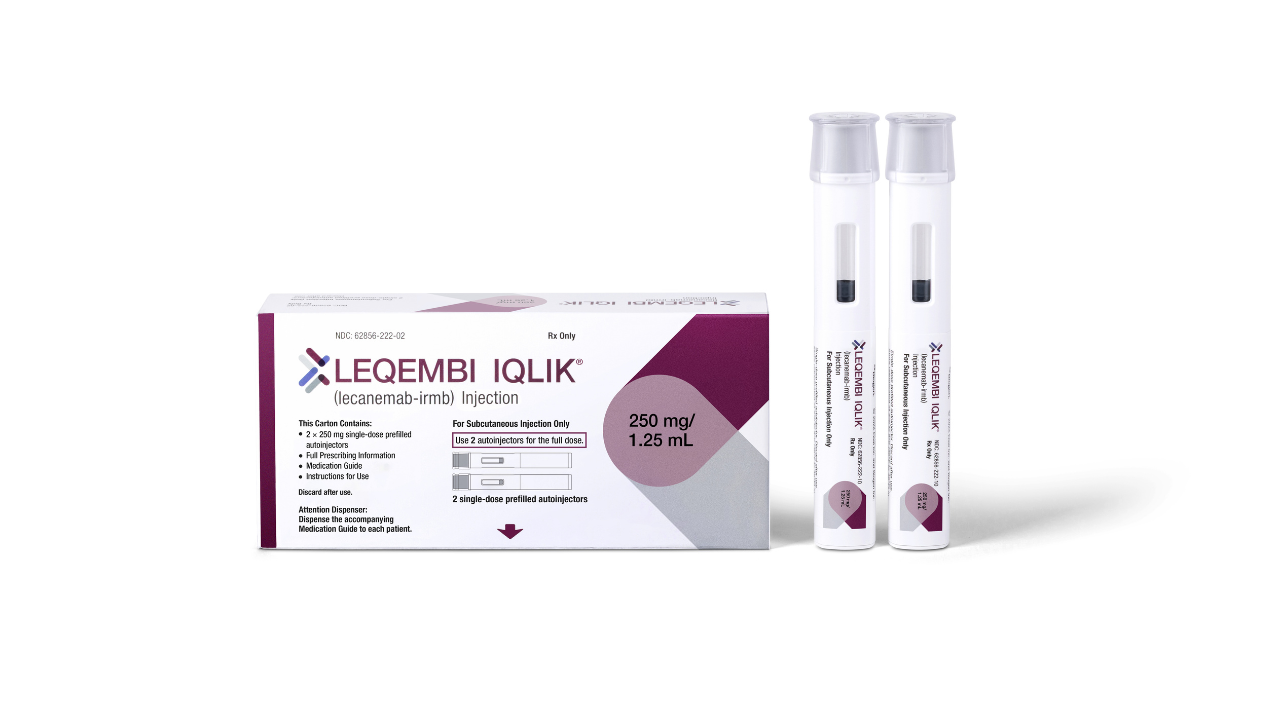
Dr. Sabbagh has noted that genetic testing has become less taboo than it once was, partly because new drugs like Leqembi now require ApoE4 screening as part of treatment risk assessment. Knowledge, for many people, is power.
The case for caution. Carrying the gene doesn’t mean you’ll develop the disease; not carrying it doesn’t mean you won’t. Understanding your result requires contextualizing it against your age, sex, ethnicity, and other risk factors in ways a test report won’t do for you. Testing affects not just you but your family, who may need to be involved in long-term care planning.
The psychological impact of a positive result can be severe — but still, many people find that the knowledge of their genetic status has helped them prepare for the future. Read about five people with ApoE4 on their plans for the future.
The practical reality. Millions of people have already received ApoE4 results through 23andMe or AncestryDNA, which has since stopped offering direct-to-consumer testing, without any of the counseling that clinical guidelines recommend.
If you already have your result, or are considering testing, the most important step is speaking with a genetic counselor before and after. The National Society of Genetic Counselors maintains a searchable directory. A genetic counselor can guide you through what your results mean and help you create actionable steps to improve your health.
What genetic risk does not mean: The modifiable majority
Research estimates that approximately one third of total Alzheimer’s cases may be attributable to modifiable risk factors — things that are potentially within a person’s control. These include cardiovascular health, physical inactivity, diabetes, hypertension, obesity, depression, social isolation, hearing loss, and smoking.
For people with a genetic predisposition, addressing these factors is not a guarantee, but the evidence increasingly suggests it moves the needle.
There is now ongoing scientific research examining whether lifestyle interventions — diet, exercise, cardiovascular management — can mitigate ApoE4-associated risk specifically. The data is early and incomplete, but it points in an encouraging direction.
The POINTER study is a lifestyle intervention study that found older adults who combined healthy habits with structured support were able to achieve higher scores on cognitive tests and effectively slow brain aging by two years.
The horizon: Where genetics research is heading
The science of Alzheimer’s genetics is moving fast. A few developments worth watching:
Polygenic risk scores. These are moving closer to clinical utility, giving individuals and clinicians a more complete genetic picture than any single gene variant provides.
ApoE4 as a treatment target. Rather than simply identifying ApoE4 carriers as higher-risk patients, researchers are now working to directly modify ApoE4’s effects in the brain through gene therapy, small molecules, and targeted interventions.
Protective genetics. The FN1 finding is one of several recent results pointing toward naturally occurring genetic protection against Alzheimer’s.
Blood biomarkers and genetic risk. The convergence of blood tests for amyloid and tau with genetic risk information is beginning to enable precision risk stratification that was impossible five years ago.
The question is no longer just, “Do you carry ApoE4?,” but, “Do you carry ApoE4 and does your blood show early biomarker change?,” That combination tells a more specific story, and may increasingly guide who enters trials and who receives preventive treatment first.
What to do if Alzheimer’s runs in your family
The most common question after a family diagnosis is: What should I do now? The honest answer involves a few concrete steps and a broader reframing.
Tell your doctor. Family history belongs in your medical record. A physician who knows Alzheimer’s runs in your family can monitor you appropriately, order relevant tests when indicated, and refer you to specialists if needed.
Consider speaking with a genetic counselor. Whether or not you pursue testing, a genetic counselor can help you understand your risk in context and make a decision you’ll be at peace with in either direction.
Address your modifiable risks aggressively. Blood pressure, blood sugar, sleep, physical activity, hearing loss, social connection — these are science-backed suggestions. Dr. Hussein Yassine, professor at the Keck School of Medicine at USC and director of the Center for Personalized Brain Health, shares the best diets for Alzheimer’s prevention.
Consider clinical trial participation. Many Alzheimer’s prevention trials are specifically enrolling people with family history or known ApoE4 status. Subscribe to Being Patient’s quarterly Trials Update newsletter for a list of clinical trials currently enrolling.
Monitor your mental and emotional health. A family member’s diagnosis, or your own genetic result, can create uncertainty. Speak to a therapist or mental health professional if you are struggling .
FAQs
No, having the ApoE4 gene is a risk factor, not a guarantee. While one copy of the gene can triple your risk and two copies can increase it by 10 to 15 times, many carriers never develop the disease. About 35% of people with Alzheimer’s do not carry the gene at all.
While you cannot change your genetics, research suggests that up to 40 percent of Alzheimer’s cases may be prevented or delayed by managing modifiable risk factors. Experts recommend addressing any existing health conditions, engaging in regular physical exercise, following the MIND or Mediterranean-style diets to reduce brain inflammation, and socializing regularly.
While genetic testing can give a person indications about their future likelihood of developing Alzheimer’s and other genetic diseases, it isn’t a crystal ball. And the information a person learns from such a test could prove to be more stressful than it is actionable. For these reasons among others, experts warn genetic testing isn’t necessarily right for everyone. Consult with a genetic counselor to determine if genetic testing is right for you.