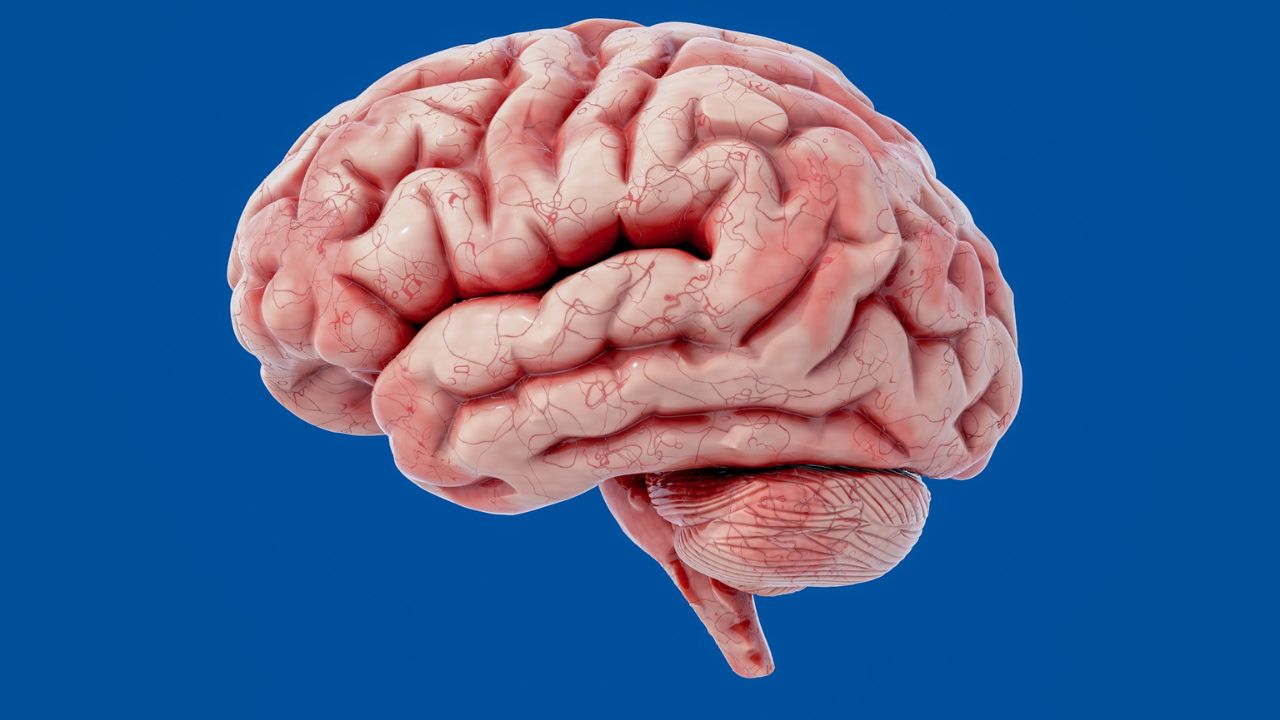
FTD 101: Your Being Patient Primer on Frontotemporal Dementia

Here's our run-down on the causes, symptoms, risk factors, and diagnostic approaches of frontotemporal dementia, one of the rarer forms of dementia.
What is frontotemporal dementia?
FTD is a group of progressive brain disorders linked to the abnormal buildup of tau, in about half the cases, and TDP-43, in the other half. In contrast, Alzheimer’s disease progression is linked to the accumulation of beta-amyloid plaques followed years later by tau.
While Alzheimer’s involves memory problems, the earliest symptoms of FTD are changes in personality, behavior, or language processing abilities. Some forms of FTD also impair a person’s movement-related abilities. Later on in the course of the disease, it leads to memory disruptions.
Since there aren’t any routine biomarker tests and the symptoms overlap with other diseases, FTD is difficult to diagnose.
There are three major subtypes of FTD, each with distinct patterns of symptoms:
- Behavioral variant frontotemporal dementia (bvFTD): The most common form of FTD, it is characterized by changes in personality and behavior. Symptoms typically start in one’s 50s or 60s, but in rare cases it may begin earlier or later in life. The death of cells in the frontal lobe is responsible for the symptoms of bvFTD, including difficulty with impulse and emotional control, thinking, and other complex cognitive abilities.
- Primary progressive of aphasia: The semantic variant of primary progressive aphasia (PPA) affects language skills. It leads to difficulty understanding what words mean and makes it hard to name objects. People might still speak fluently but use vague, general terms. These symptoms are caused by cell death in the temporal lobe, which is responsible for language processing abilities. The nonfluent variant of PPA also affects language skills, making it more difficult for someone to speak, resulting in slower, more hesitant speech, and grammatically incorrect sentences.
- Movement-related: Some people with the bvFTD subtype also develop amyotrophic lateral sclerosis, a motor neuron disease that leads to muscle weakness and wasting. This form of the disease is linked to deterioration of nerves in the spinal cord.
Another form is corticobasal syndrome, a condition that causes the arms and legs to become stiff and uncoordinated with symptoms similar to Parkinson’s. People with corticobasal syndrome often have an abnormal buildup of tau in their brain.
And then, progressive supranuclear palsy causes muscle stiffness, difficulty walking, and changes in posture, similar to Parkinson’s or Lewy body dementia. This form also affects eye movement and may cause tremors. It is linked to a buildup of tau aggregates in the brain stem and basal ganglia which help refine motor movement.
Since FTD has many different subtypes, there is a lot of variation in disease progression. As they progress, people will develop more problems planning and organizing parts of their life, exhibit personality changes or inappropriate behaviors, and have trouble communicating. These symptoms might make people with frontotemporal dementia more vulnerable to falls and infection.
What causes frontotemporal dementia?
In most cases, the underlying cause of frontotemporal dementia is unknown.
About one-fifth of cases are attributed to specific genetic mutations that disrupt protein regulation, affecting tau and other proteins that could build up. Mutations across 20 different genes linked to these abnormalities, including GRN, MAPT, C9ORF72, are identified as potential causes. People with a family history of FTD are more likely to develop the disease, even if they don’t carry any of these genetic mutations.
Other factors may increase the risk of developing the disease but these factors are less well-established as FTD is rarer than other forms. Following the recommendations of the Lancet Commission, which identified potential modifiable risk factors for dementia, controlling for high blood pressure or diabetes, eating healthy, and exercising may reduce the risk.
FTD symptoms
The symptoms of frontotemporal dementia vary from person to person, depending on the subtype of the disease.
How does FTD affect behavior and personality?
In the bvFTD subtype, brain cells in the frontal lobe which is involved in complex cognitive tasks starts to die off, leading to:
- problems with restraint based on social norms leading to aggressive outbursts, inappropriate sexual behavior, shoplifting or excess spending, ignoring other people’s personal space, or other uncharacteristic or rude comments
- indifference or loss of interest in activities that were previously meaningful, like work, hobbies, or friendships
- changes in personality and emotions, leading to indifference, anxiety, or irritability
- compulsive or ritualistic behaviors like checking, repeating words of phrases and hoarding
- problems with decision-making, problem solving and organizational skills leading to more mistakes at work and difficulty with planning daily activities
How does frontotemporal dementia affect language processing?
In PPA, parts of the temporal lobe which are involved in language processing diet off. This leads to symptoms including:
- problems with speech
- difficulty understanding when other people are talking
- trouble following grammar rules
- slow, hesitant speech
How does FTD affect movement?
Some forms of frontotemporal dementia affect parts of the brain that regulate and refine movement. These symptoms mimic Parkinson’s and Lewy body dementia. These symptoms include:
- Slowed movements
- Muscle stiffness or rigidity
- Problems with coordination
- Shaking or tremors
- Frequent falls
- Speech and swallowing difficulties in later stages
Can you have FTD and Alzheimer’s at the same time?
It is possible to have FTD and Alzheimer’s disease at the same time. In fact, it isn’t so rare: A 2023 autopsy-based study published in the journal Brain found that many people diagnosed with one neurodegenerative disease might also have hallmark signs of other forms of dementia in the brain. Around half of people who died with frontotemporal dementia showed signs of other protein plaques, characteristic of diseases like Alzheimer’s.
Frequently asked questions about frontotemporal dementia
What is the first symptom of frontotemporal dementia?
The earliest signs vary depending on the subtype of FTD. But many people experience a change in their personality or behavior, such as uncharacteristic aggression or a loss of interest in hobbies or social relationships. In other cases, the first symptoms are difficulties understanding language or speaking.
Is frontotemporal dementia fatal?
FTD itself is not a direct cause of death. Many people who progress die of complications including falls, pneumonia, or infections that can be life-threatening. Like other progressive dementias, it shortens a person’s life expectancy.
How long can you live with frontotemporal dementia?
Every case of FTD is different. Some people live more than a decade with FTD. The course of the disease depends on overall health, FTD subtype, and the severity of symptoms. The life expectancy after diagnosis also depends on how early someone received the diagnosis.
What makes frontotemporal dementia different from Alzheimer’s?
While Alzheimer’s disease is most strongly linked to memory loss, frontotemporal dementia instead involves changes in language abilities, behavior, personality, and movement.