What Drives Women’s Higher Alzheimer’s Risk?

Dr. Jessica Caldwell discusses why Alzheimer’s disease affects women and men differently, and why the reasons go beyond women’s longer life expectancy.
Women make up about two-thirds of people diagnosed with Alzheimer’s disease, but experts say longer life expectancy alone does not explain the gap. Dr. Jessica Caldwell’s research focuses on how sex and gender influence Alzheimer’s disease risk, resilience, and progression, including the roles of genetics, menopause, lifestyle factors, and life stressors.
Caldwell is a neuropsychologist and investigator of the Wisconsin Registry for Alzheimer’s Prevention, or WRAP, at the Wisconsin Alzheimer’s Institute, as well as a visiting associate professor in the Department of Neurology at UW–Madison. She previously directed the Women’s Alzheimer’s Movement Prevention Center at Cleveland Clinic, the first Alzheimer’s prevention center designed exclusively for women.
In this conversation with Being Patient’s Mark Niu, Caldwell explained how the disparity is influenced by multiple factors, including genetics, menopause, estrogen loss, medical conditions, lifestyle, and caregiving-related stress. She discussed why midlife may be an important window for prevention, especially for women. Caldwell also described how hormonal changes during menopause, symptoms such as hot flashes and depression, and chronic stress may affect brain health, while lifestyle factors such as exercise, nutrition, medical care and social connection may help support resilience.
Being Patient: First thing, tell us about your recent research.
Dr. Jessica Kirkland Caldwell: My research focuses on the ways in which men and women are different when it comes to Alzheimer’s disease risk, as well as the way the disease progresses over time. My most recent research has been taking a look at women at midlife and what factors might set them up for vulnerability for dementia later on.
I’m specifically looking at how women lose estrogen over the menopause transition, and at the same time, may be exposed to types of stressors that are not as frequent in men. For example, being a sandwich generation caregiver, having kids at home that you’re caring for, as well as elderly parents who need caregiving.
Being Patient: Tell us, why do women make up such a large portion of people with Alzheimer’s disease? There’s always this common perception that women are living longer, so that’s the reason why they must make up a higher percentage.
Caldwell: Absolutely. This is a very common question. Right now, women make up two-thirds of the people with an Alzheimer’s disease diagnosis. This has been known for quite some time. For decades, this was thought to be due to women having a longer lifespan on average than men. But when you really get down to it, the average longevity is only a few years older in women. So it’s not enough to tell that whole story.
At this point, we know that it’s multifactorial, the reasons why Alzheimer’s comes to women and puts that additional burden. It includes things like different effects of our genetics. For example, we know that having a copy of the APOE4 allele — this is the most common risk gene for late-onset Alzheimer’s disease, the typical kind — and having that allele impacts women greater than it does men. Some studies have shown that a woman with one copy of that allele is up to four times as likely as a man to go on to get Alzheimer’s disease.
Beyond genetics, we also know things like menopause play a role for some women. That loss of estrogen creates some vulnerability, and some women keep that vulnerability as they age.
The other piece is medical conditions and lifestyle can have different prevalence or can have different effects in men and women. Some examples are that we know being physically inactive is a direct risk for dementia, and women are twice as likely as men to be sedentary. Women are also more vulnerable to medical conditions like diabetes and sleep apnea in terms of what brain effects come out of those diseases, compared to men with the same disease.
“Women make up two-thirds of the people with an Alzheimer’s disease diagnosis.”
Being Patient: What percentage now are we seeing of Alzheimer’s cases that are made up of women?
Caldwell: About 66 percent of Alzheimer’s disease cases are women currently.
Being Patient: And you’re heading up the WRAP study. Tell us about that. That is really the longest study of its kind, right?
Caldwell: It is. The Wisconsin Registry for Alzheimer’s Prevention, or WRAP, is one of the longest running longitudinal studies of people who are at risk for Alzheimer’s disease. I’ve just come in to be the new PI of this study. This study really deeply looks at the characteristics of these people, who have committed over 20 years of their life to coming in for study visits.
In this study, we have everything from an assessment of their habits, what their activity is like, what kinds of food they’re eating at different time points. But we also have images of their brains. We have MRI images over time. As the technology has changed, WRAP has stayed on the cutting edge of that technology. We also have amyloid and tau images of pretty much everyone’s brain. This means we can see where pathology is in the brain or when it isn’t there.
Finally, we have contributed to the FDA approval of some of the new blood tests like p-tau 217. We really have a wealth of information on these folks that can help us to understand how this disease progresses over time and what the relationships are between the different biomarkers that we now have available.
Being Patient: How many people are involved in this study?
Caldwell: There have been over 2,000 people involved in the study over time, about 1,400 people currently active in the study coming in for visits.
Being Patient: What would you say are some of the key findings that have come out from this?
Caldwell: One of the recent key findings has been looking at the estimated age of amyloid onset. Because we have so much data from all of these individuals, researchers were actually able to look at how amyloid increased over time and use statistical modeling to estimate when did that amyloid first begin to build up in the brain. We were the first study to begin to do this. Our investigators really pioneered this approach, and now they’ve applied it to the other types of pathology in Alzheimer’s like tau buildup, as well as things like vascular changes in the brain, white matter hyperintensities, which we know oftentimes happen as we age but also co-occur with Alzheimer’s disease.
In the future, the hope is that this type of approach, as well as new approaches being developed, will help us to predict future accumulation, which would of course be the goal for what everyone would like to have in clinic.
Being Patient: What are we finding, though, when the amyloid buildup is likely to begin?
Caldwell: Before these types of studies, we knew that amyloid typically begins to build in the brain one to two decades before someone shows any memory symptoms, so it’s quite a long time.
But within our study, we’ve been able to look at that estimated age of onset, and it’s a wide range — from some people who can have that buildup begin in their 40s to people who don’t begin to have that buildup until their 80s. And then that could be a very different process moving on to any memory problems or not developing the problems.
Being Patient: How might midlife be an important window for understanding or reducing Alzheimer’s risk, especially for women?
Caldwell: Midlife, we know, is a critical time for what we call modifiable risks. Recent research by the Lancet Commission has shown that up to 45 percent of current dementia cases may have been prevented if we had just known 30 years ago how important it was to not smoke, not drink too much, treat our medical conditions, and be physically active.
It’s also key that these conditions at midlife look different in men and women. As I mentioned before, physical inactivity or being sedentary is more common in women. Addressing that factor at midlife in women could potentially have a broader effect.
Other reasons why midlife is crucial is that it’s around that time where this pathology starts to build. If we have a question of whether or not we can change the pathology by acting early, this is the time that we have to do that.
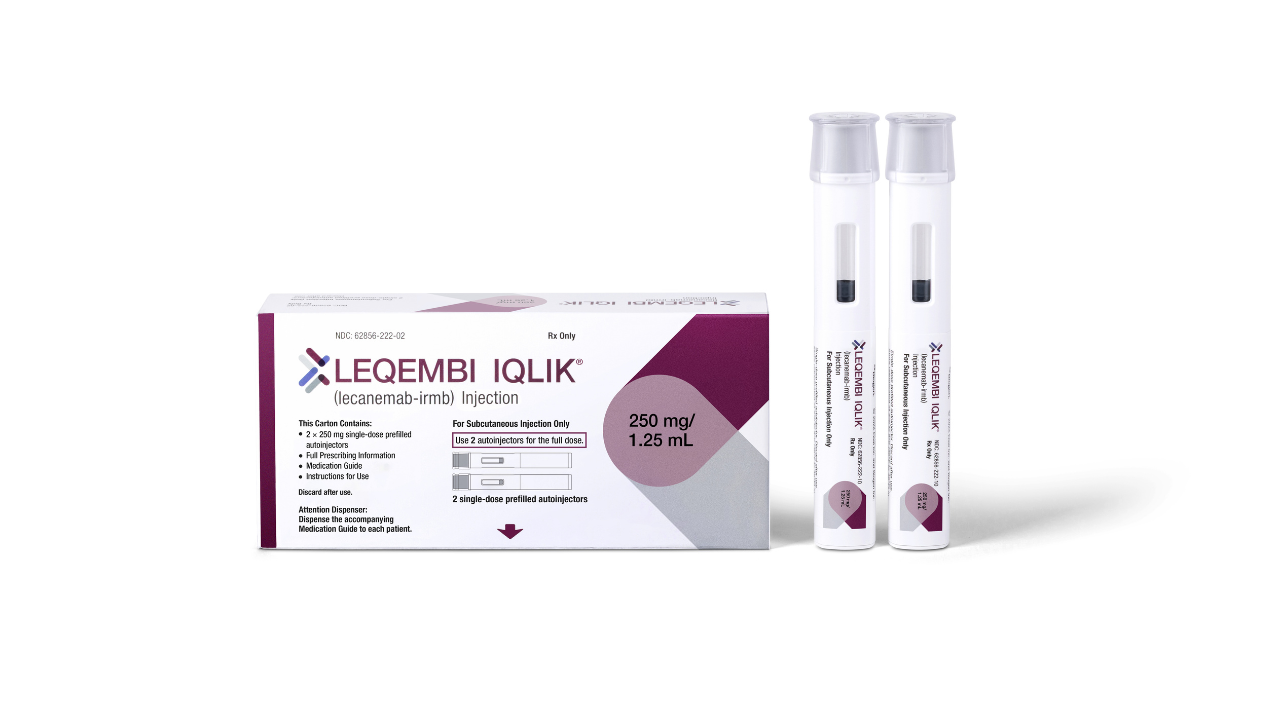
Similarly, for treatments, we now have treatments that are available for people with mild memory problems that are able to take amyloid out of the brain, but those medications haven’t been approved for use in people without symptoms with those early signs of amyloid buildup. That’s a question that’s being asked that really can only be done years and decades before memory symptoms start happening.
Being Patient: I saw a quote from you that was quite interesting, and I wanted you to go into more detail on it. It began with saying the brain’s memory system is full of estrogen receptors, and that may be impacting verbal memory. Tell me about that.
Caldwell: The brain has estrogen receptors in several key places that are critical for our memory, and one of those is the hippocampus. It’s the part of the brain that takes new learning and helps to compact and shuttle it to long-term storage. That part of the brain has a wealth of estrogen receptors.
When women go through menopause and lose that level of estrogen, their brain has to recalibrate. What it actually looks like is the hippocampus and other regions start putting out more and more receptors to try to gather any estrogen that they can. But the reason that this is important when we think about men and women is that over our lifespan, women, on average, have better verbal memory than men do — better memory for a story or a list of words.
Being Patient: Does that explain young girls having better verbal fluency?
Caldwell: It very well may, and there are certainly other factors there as well, but this is something that’s consistent across the lifespan. Younger individuals, teenagers, young adults, older adults without memory problems, and even people into the early stages of memory problems related to Alzheimer’s disease have this advantage.
But the downside of the advantage, which is probably based in estrogen, is that, number one, we lose estrogen at menopause. We have a little recalibration there that doesn’t always do the same level of recalibrating for every woman. Some women seem to keep memory vulnerability.
But the other thing it does is it means women are likely diagnosed later than men with early memory changes. The reason for that is our ways of diagnosis. I’m a neuropsychologist. Some of the tests we rely on most specifically are memory tests. It’s an early symptom, an early sign. The tests that we use compare men and women to groups of men and women. What that means is women may be missed on that diagnosis until their memory gets worse. On the flip side, men might get identified too early or be a false positive on some of these tests.
Being Patient: Tell us some more about the connection between hormones, menopause, and Alzheimer’s disease risk? For example, how might symptoms like hot flashes relate to brain health or Alzheimer’s development?
Caldwell: Absolutely. There is some research that shows that women who have more severe hot flashes may have greater levels of dementia risk. One potential mechanism for that is that we think about hot flashes as tied to hormones, but this is a vascular symptom of menopause. There are changes in the blood vessels, including blood vessels in the brain. This has been studied by researchers, and they can visualize over the pre-, peri- and postmenopausal stages that the brain is both having different levels of blood flow in key regions, as well as using sugar differently across that transition.
What this could mean is that women have added vascular risk for dementia. When I say vascular risks, I mean the same kind of risks we might have if we have high cholesterol or high blood pressure. These types of risks can either cause dementia on their own or add to an underlying Alzheimer’s disease and often result in symptoms coming up earlier.
Being Patient: How about mood disorders during the menopause transition?
Caldwell: Mood disorders during menopause are a big issue. Oftentimes a mood change could be the first sign a woman’s going through menopause — new onset depression — and that’s difficult because not everyone is aware of that. Why it’s particularly important when it comes to Alzheimer’s disease is that we know depression is a risk factor for dementia. This is a group of women where potentially there’s an opportunity to target mood, whether that’s appropriately targeted through hormone replacement or through antidepressant types of medications is a question that’s individually answered, but overall targeting that depression may be a really critical factor.
Being Patient: Immune differences in men and women — does that make a difference in Alzheimer’s development?
Caldwell: It very well may. What we know is that men and women have differences in our immune responding. One of those is that women seem to respond more strongly to an acute stressor or an acute illness. This may be why women at times do better when a virus like COVID comes up. We respond more vigorously in the beginning.
At the same time, women seem to be less able to turn off that immune response so that when we have chronic stressors or chronic disease, we wind up with a chronic immune response and inflammation. Inflammation is critical in Alzheimer’s disease. When we’re talking about response to a virus, we’re talking about in your body, or response to being stressed, we’re talking about stress and inflammation that shows up in your blood, your peripheral body. But that inflammation, those factors can actually cross the blood-brain barrier or cross through different mechanisms like the lymphatic system and induce inflammation in the brain. We know now that inflammation in the brain is part of the cascade of building amyloid. It contributes to starting it, and it contributes to continuing the development of amyloid.
The other piece I didn’t say is that estrogen does have a role in modifying our response to stress and our immune responding. That’s another area where when women lose estrogen at menopause, could it be that our regulation of those immune responses is part of the reason why some women become vulnerable at that time?
Being Patient: You mentioned the “sandwich generation” earlier. How can societal pressures, such as caring for both children and aging parents, affect women’s brain health and potentially contribute to Alzheimer’s risk?
Caldwell: When it comes to Alzheimer’s disease, we can talk about sex differences, and most people call things sex differences. But when you get down to it, sex is related to biology. It’s factors like our chromosomes, factors like our immune responding, and so on.
But on the other hand, gender can have separate effects. Oftentimes, a study that says it’s looking at sex differences can’t actually determine if its results are actually due to a combination of sex and gender effects.
When I say gender, I’m referring to social constructs that result in factors like people having gender roles or our expression of gender identity. In addition, there are things like gendered environments. For example, one of those environments is the family environment, and the gender expectation oftentimes in most cultures is that women are the caregivers. That means women have more of that burden of the sandwich generation.
Being Patient: Your research focuses not just on risk but also on resilience. What does resilience mean in the context of Alzheimer’s disease?
Caldwell: We know now with that epidemiological finding that up to 45 percent of current cases may have been prevented. There’s a lot in terms of our health, our brain and aging that’s under our control. Resilience can mean a lot of different things, but there are three big ones that I think about.
One is our ability to build a stronger brain when we are young — in other words, build cognitive reserve so that we have a more flexible, stronger brain so that if any pathology does begin building up, we have more brain power to draw from to compensate, to live with those changes and put off symptoms.
Another way we could think about resilience is thinking about all of these factors around us in our lifestyle, our medications, and here, can we build resilience to the pathology being in our brain in different ways? Even if we have amyloid, can we be able to stave off some of those memory symptoms longer if we improve our health?
And then the final one is really psychological resilience. I find that it’s really empowering to learn about ways to keep your brain healthy. It gives people different opportunities and different likelihoods of actually changing their brain health. It also can help with risk factors for dementia that relate to psychological health, which are depression and social isolation. I think making these prevention-type approaches available to more people can really offer resilience opportunities in more than one way.
Being Patient: Are there ways Alzheimer’s symptoms, diagnosis, or the disease progression may look different in women and men?
Caldwell: Yes. As I mentioned before, because of women’s better verbal memory, the diagnosis may well happen later in women. Another thing that we know from recent research is that once women do have amyloid in their brains, that builds up and becomes at a level that we can identify as positive or clinically present in about the same way as it does in a man. But once a woman and a man have amyloid in their brain, that amyloid seems to be related in women to faster development of the next pathology, which is tau.
There’s a tighter relationship to having amyloid and having tau in women. Likely related to that relationship, there’s also a faster decline for women once that amyloid is present. That cognitive decline is tied more tightly to that buildup of tau. They’re not just diagnostic differences, but there are differences in the way the disease progresses over time.
“Once a woman and a man have amyloid in their brain, that amyloid seems to be related in women to faster development of the next pathology, which is tau.”
Being Patient: With WRAP, are there particular things that you’re focused on in the next five years that you hope to discover or perhaps unlock? What is the big issue that you’re hoping to figure out?
Caldwell: This is a study that has been the gold standard for biomarker discovery, really on the bleeding edge of that type of discovery. I think with our scientists and collaborators, we will continue that, looking at new biomarkers, biomarkers for conditions or pathologies that may co-occur with Alzheimer’s disease, and may really help us understand why one person with Alzheimer’s disease can look very different from another, and also help to have people get more information about what process is going on in their brain much earlier versus using that as a way to tell what the diagnosis is when someone has a very advanced memory problem.
The other thing that I am very excited about is that we have so much information about individuals in WRAP that this becomes the potentially perfect type of study for recruiting individuals for improving their brain health and really starting to understand: When it comes to making changes in your exercise or your diet or your mood, who really needs that? Who benefits from it the most? Whether that be women, whether there’s any sort of differences in how often these factors come up in men and women, and at what point in your life is that really critical? It’s just a fantastic time for this study, and I’m really looking forward to being able to lead us into the next few years.
Being Patient: Are modifications in lifestyle a part of your study now, or are you working with groups on that?
Caldwell: It is not a part of the study at all right now. We have looked at things like exercise and cardiorespiratory fitness. Some of our investigators have looked at microbiome, many different aspects that are related to lifestyle, but the study will remain a non-intervention study. However, it is perfectly positioned for additional investigators to recruit from within it for intervention studies. That’s something that we are looking toward, whether that might be looking at the effects of new medications and working with companies that are doing that, that might have the best possible chance of changing early pathology, and then also thinking about these lifestyle changes.
Being Patient: What should women in midlife and beyond take away from this research when it comes to prevention, brain health, and conversations with their doctors?
Caldwell: What I would say is I’m thinking about midlife as pretty broad — let’s say from age 30 to 65. There’s a time in that early stage where women might be done having children or might not be having children. And then when they go through menopause, women don’t go to the doctor. The No. 1 thing I would say is go to your doctor. If you have any symptoms of things like hot flashes or memory concerns or cognitive concerns more broadly, tell your doctor about those things. It’s an appropriate time. Certainly when you go through menopause, if you’re having terrible hot flashes, there are treatments for those that are really effective. It’s not a treatment that will guarantee that you don’t have a risk for or a vulnerability for dementia down the line, but it’s really important.
And then finally, I would say there is a lot that people can control about the future of their brain health. Really just taking to heart at a younger age that things like exercising and nutrition — those aren’t just something that we should be thinking about for our body weight, for example. These are things that we want to think about what we’re putting in and how much we’re exercising because that impacts our brain health over the long haul.