
Alzheimer’s Drug Types 101: What Are Small Molecule Drugs?

Drugmakers are focused on small molecule drugs for slowing Alzheimer’s. They're easier to make and could be cheaper than other approaches.
Open your medicine cabinet, and you’ll see many examples of the most common type of medication on the market: Small molecule drugs such as common painkillers like Tylenol and Aspirin, as well as existing Alzheimer’s drugs that target cognitive and psychiatric symptoms.
Small molecule drugs are tiny chemical compounds that affect the body’s tiny protein machinery, packaged into easy-to-ingest pills and capsules. Often, scientists take inspiration from nature to develop these drugs. Galantamine, which treats the cognitive symptoms of Alzheimer’s, is extracted and purified from daffodil bulbs. Other small molecule drugs are synthesized in a lab.
Multiple drug companies are racing to develop small molecule drugs for treating Alzheimer’s disease and its cognitive symptoms. Some of these drug candidates, such as Alzheon’s ALZ-801, Cassava Sciences’ simufilam, and TauRX’s HMTM, are already in Phase 3 trials and the firms behind them may submit applications to the FDA for approval in the next few years.
So far, this approach isn’t really panning out — Rexulti is the only small molecule drug approved for treating the symptoms of Alzheimer’s in the last 20 years.

Small molecule drugs have run into all kinds of snags in Alzheimer’s trials — but they’re significantly outpacing other approaches to treatment. Source: beingpatient.com, designed by AJ Sangle
Potential of small molecule drugs for Alzheimer’s
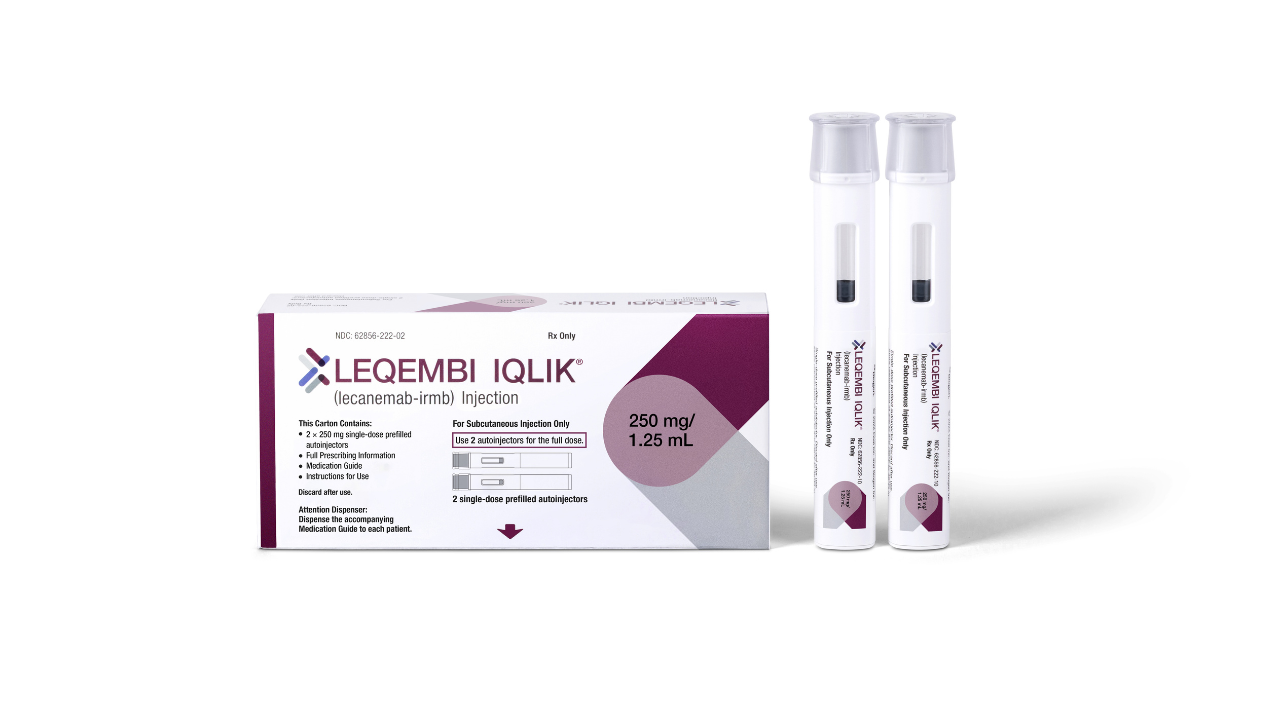
Small molecule drugs for Alzheimer’s have many advantages over other types of drugs, like biologics—a term that encompasses antibody-based drugs like Leqembi.
Antibodies are larger, more complex molecules that are hard and expensive to produce. Patients cannot take these drugs at home and must travel to an infusion center to receive them. And infusion centers sometimes don’t have the capacity to treat every patient with a prescription simultaneously, leading to long wait times to receive a drug.
In contrast, small molecule drugs are smaller, simpler molecules that can be easily produced and made into a pill or capsule a lot cheaper. This means that small molecule drugs could be more accessible because they are more affordable, and patients aren’t required to travel to a specialist site just to receive the treatment.
Scientists are also using state-of-the-art AI to help design and develop new small molecule drugs, which could make it even easier and less expensive to produce existing drugs and discover new potential treatments for Alzheimer’s.








Thanks for latest information much appreciated I know what to ask my doctor in terms of new trials
Thank you for being here, Linda! We’ll continue to cover news on drug development as it comes.
It is so hard to live with this diagnosis, when there are few guide lines and recomendations for treatment. And the medical professionals don’t seem to know how to manage it! I am left in the dark!
Hi Ellen, we understand your frustration. You might be interested in signing up to our free, quarterly dispach on dementia clinical trials. Feel free to sign up here: https://www.beingpatient.com/bp-trials-updates/?utm_source=organic&utm_medium=social . Take care.
Great information,much appreciated.Difficult to obtain accurate info especially on new trials
Hi Beverly, thank you for being here! You might be interested in signing up to our free, quarterly dispach on dementia clinical trials. Feel free to sign up here: https://www.beingpatient.com/bp-trials-updates/?utm_source=organic&utm_medium=social . Take care.