
France, UK Insurers Say They Won’t Cover Alzheimer’s Drug Leqembi

Despite approval from the UK health authority, the UK’s state-run insurer doesn't want to pay for Alzheimer's drugs Leqembi and Kisunla. France follows suit.
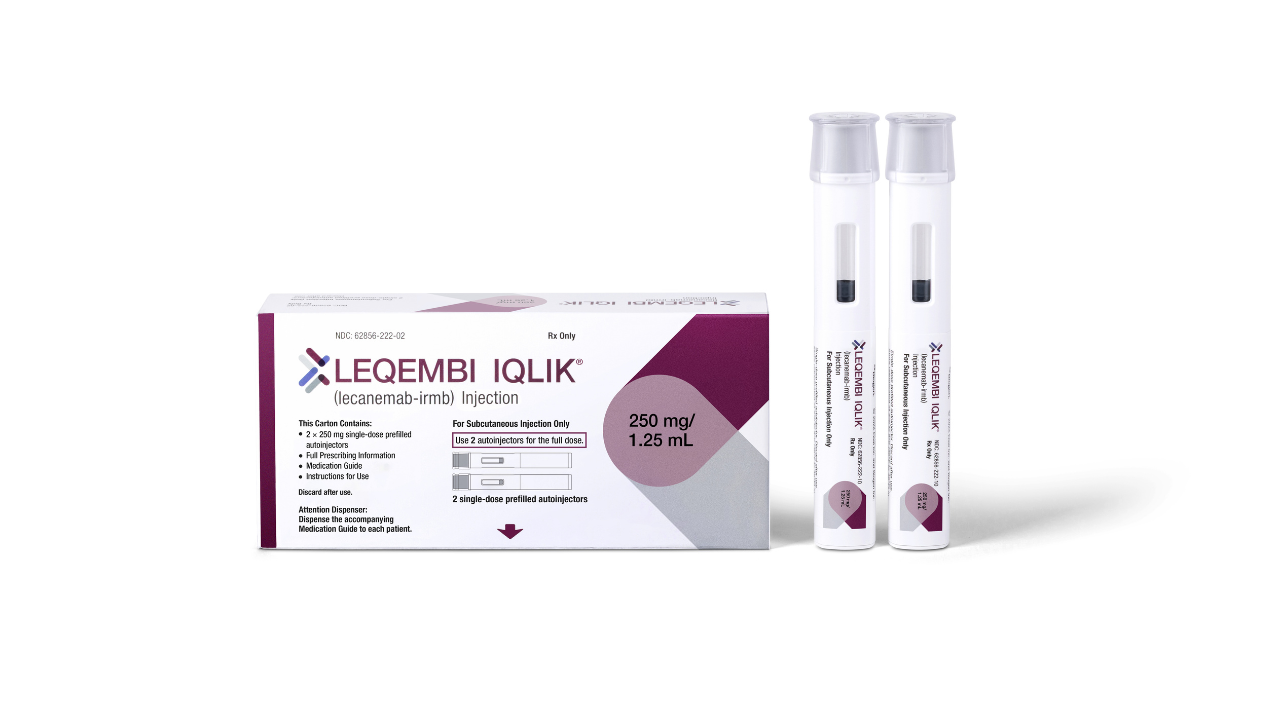
The UK has socialized healthcare and covers drugs for patients. In 2024, the country’s healthcare regulator, National Institute for Health and Care Excellence (NICE) issued draft guidance indicating that the agency wasn’t planning on covering the cost of Leqembi for patients, because the drug’s treatment benefits to patients are considered too small, and on top of that, regulators said, the long-term impact of the drug is unknown. The drug would cost tens of thousands of pounds per year out of pocket. Leqembi’s drugmaker, Eisai, appealed the decision, and in the meantime, the agency also assessed whether they’d cover Lilly’s Kisunla.
In June, NICE reaffirmed its position on Leqembi — and stated it will not cover Kisunla either, with the agency saying the drugs’ benefits “remain too small to justify the additional cost.”
According to a spokesperon at NICE, the data that the drugmakers provided to the agency’s independent committee of appraisers was not convincing enough to prove the expensive drugs’ value, safety, and efficacy.
“We have done everything we possibly can to try and achieve a positive outcome in our assessments of these treatments, including providing an additional opportunity for new evidence to be submitted,” Helen Knight, director of medicines evaluation at NICE said in a statement.
The agency weighed the benefit — a four to six-month delay in disease progression possible with the drugs — against the high cost of purchasing and administering the drug, as well as monitoring patients for side effects.
The nitty-gritty on insurers saying “no” to Alzheimer’s anti-amyloid coverage
In June 2023, the UK’s drug regulation agency — UK Medicines and Healthcare products Regulatory Agency — approved Eisai and Biogen’s anti-amyloid drug Leqembi for early stage Alzheimer’s who have zero or one copy of the Alzheimer’s risk gene ApoE4. One year later, the agency approved Kisunla, giving patients with zero or one copy of ApoE4 a second option.
Leqembi was also approved for treating the early stages of Alzheimer’s disease in the U.S., Japan, South Korea, and China. The European Medicines Agency declined to approve the drug in 2024 but changed its mind upon appeal, offering the drug to people with zero or one copy of ApoE4.
In September, France’s state-run health insurer, HAS, issued the same proposed decision — no reimbursement to patients — for Leqembi only. This decision is also not final. HAS will evaluate over the coming few months.
Kisunla was also approved in the U.S., Japan, South Korea, and China. Unlike Leqembi, it was approved in Australia. But it was rejected in Europe.
Both drugs have remained controversial since their initial approval, with many clinicians offering conflicting opinions about the drugs safety and effectiveness.
What happens now?
Both France’s and the UK’s insurers’ decisions are not yet final. In the UK, the draft guidance is subject to a comment period, which lasts until July 3, where companies and patient groups can appeal the decision, after which point the drug review committee will reconvene and decide whether to stand its ground.








I agree with the UK and France decisions. I have never believed the chasing of Amyloid was a fruitful endeavor and it appears that is the case. Too many researchers are guilty of group think in my opinion and there needs to be alternate paths pursued even if they end up in dead ends. It may be the only way to achieve that is to have Governments around the world cooperate in funding basic research that isn’t focused on the next big money maker but on cures.
Hi Darwin, thank you for being part of our community here at Being Patient.