The Brain Disorder That Can Mimic Alzheimer’s and Parkinson’s
Normal pressure hydrocephalus, which stopped Billy Joel’s tour last summer, is a rare cause of dementia that may be treatable through surgery,
Last year, iconic pop-rock musician Billy Joel cancelled his summer tour dates to undergo treatment for a disorder called normal pressure hydrocephalus (NPH), which causes symptoms of dementia that are often misdiagnosed as Parkinson’s or Alzheimer’s.
In NPH, the clear fluid that bathes the brain and spinal cord — cerebrospinal fluid — accumulates and fails to drain efficiently from the brain’s cavities, leading to excess pressure on the brain.
Unlike other causes of dementia, though, NPH doesn’t involve the accumulation of toxic protein aggregates, and it could be reversible through surgery. The disease affects between 0.2 and 2.9 percent of individuals 65 or older and less at younger ages.
With no definitive biomarkers, and other diseases like Alzheimer’s or Parkinson’s also co-existing in many older individuals, an accurate diagnosis is a challenge, said Stanford neurologist Dr. Kyan Younes.
How do doctors diagnose normal pressure hydrocephalus?
There are two subtypes of NPH:
Secondary NPH: In this type, the cause is clear and relatively easy to diagnose: Trauma to the head or an infection causes an obstruction to the flow of cerebrospinal fluid.
Idiopathic NPH: This type is more difficult to diagnose. While it’s clear in these cases that cerebrospinal fluid is accumulating in the brain, researchers don’t know why. Younes said that there are many proposed explanations for idiopathic NPH, such as abnormalities in structures called cilia that help the fluid flow.
Typically, people with the disease develop three kinds of symptoms, called the Hakim triad. The first and earliest are walking problems that may resemble Parkinson’s — feet freezing to the ground, taking short shuffling steps, and lots of falls. The second are cognitive symptoms often resemble Alzheimer’s. The third symptom is loss of bladder control.
But these aren’t reliable enough to diagnose NPH on its own. “As people age they have various reasons for having walking problems and urinary problems,” including joint problems or neuropathy from diabetes, Younes said.
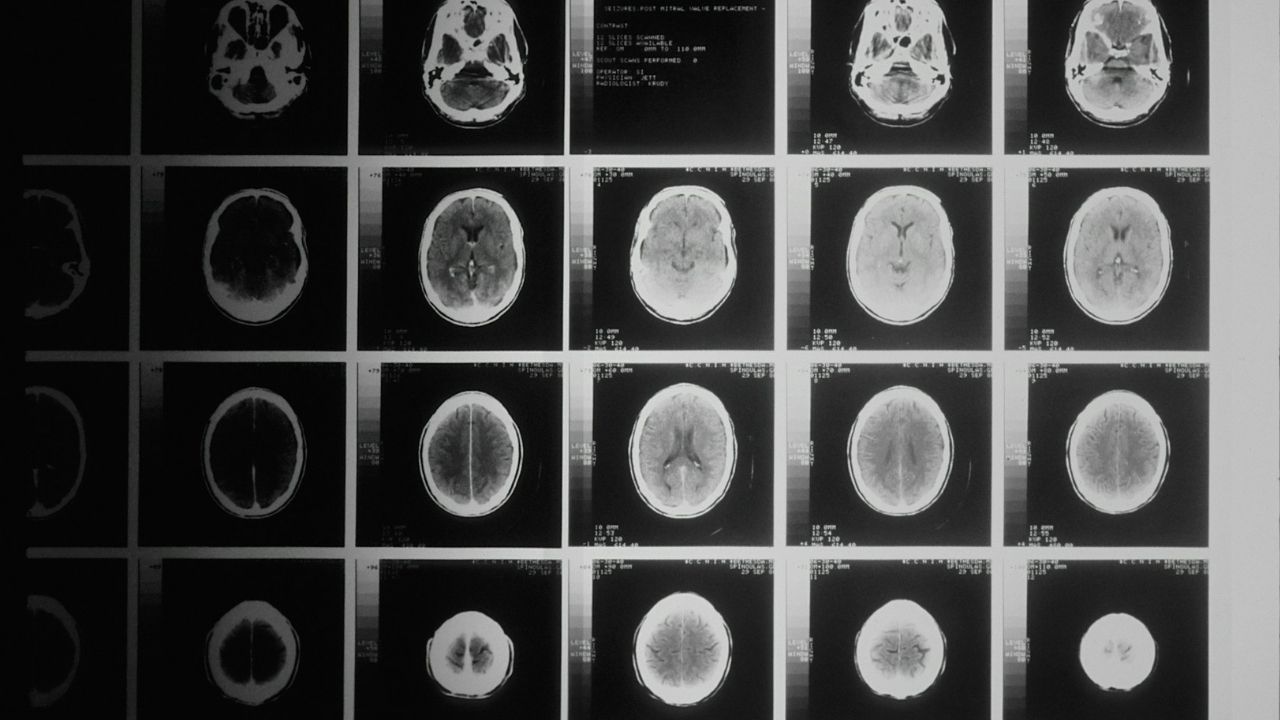
Specialists will also look at a CT or MRI brain scan to make sure that there’s actually more fluid in the ventricles. Sometimes, brain shrinkage may make the ventricles seem bigger.
Many speciality centers run a test called extended lumbar drainage, which involves draining out the cerebrospinal fluid for up to three days to see if symptoms improve to determine if someone will respond to the shunt.
These various tests come with limitations, said Younes, and sometimes people’s symptoms might improve simply because they’re being observed.
Treating normal pressure hydrocephalus
NPH is treated through a small surgery that introduces a shunt in the brain, allowing the cerebrospinal fluid to drain out. While some individuals experience a “miraculous” resolution to their symptoms, not everyone responds to treatment.
The ones who benefit most from shunting “are the people who present really early with more walking problems,” Younes said. “The majority of people don’t benefit as when the cognitive problems begin.”
He hypothesizes NPH could spark the development of other neurodegenerative conditions like Alzheimer’s if it goes untreated for too long.
The latest randomized trial of shunting involved 99 participants with idiopathic NPH. Half received a shunt that was opened, and the other half received a nonfunctional one. The shunting led to a slight improvement in movement speed and other motor symptoms but no significant change in cognitive or bladder-related symptoms. Brain surgeries also carry the risk of bleeding, infection, and the shunts may fail over time and require another surgery.
In this trial, those who received the shunt had more headaches and bleeding on the surface of the brain.
Researchers hope that better, less invasive methods for diagnosing NPH could lead to better treatments. StateViewer, an AI-powered program that analyzes FDG-PET scans that measure the brain’s metabolism, may be able differentiate between NPH and other forms of dementia. Other researchers are also working on minimally invasive alternatives to existing shunting surgeries for treating NPH.
FAQs
The earliest sign of normal pressure hydrocephalus (NPH) are walking-related symptoms. An individual might experience freezing, where their feet are glued to the floor, short steps, and falls. Since these symptoms overlap with Parkinson’s and other disorders, it is often difficult to diagnose NPH accurately.
Surgery for NPH involves adding a shunt into the brain, helping clear out the excess fluid. It carries the standard risks of other neurosurgery including bleeding, infections, and headaches. In addition, some shunts may fail or misalign over time requiring a follow-up surgery.
When treated early enough, some of the symptoms of NPH may be reversed. Shunt surgery is effective at treating the walking difficulties since they occur early in the disease but less successful at treating the memory symptoms.