
Part 2: What I’ve Learned About Lyme Disease Testing and Treatments

A positive Lyme test can be just the beginning. My diagnosis revealed surprising discoveries about testing, co-infections and treatment.
Deborah Kan is the founder and CEO of Being Patient, a journalism-driven news platform on Alzheimer’s, dementia, and brain health that she launched after her mother’s Alzheimer’s diagnosis and years as a journalist for the Wall Street Journal. She built Being Patient to translate complex dementia research into clear, unbiased reporting for patients and caregivers navigating the same uncertainty she once faced. Connect with her at deborah@beingpatient.com.
Dear readers,
Last week I told you I tested positive for Lyme disease. What I didn’t tell you is that my positive result was, in a strange way, the wrong kind of luck. When I called Nicole Bell and Nikki Schultek for advice, the first thing I learned is that a positive test this early is not what usually happens.
Most people who get bitten and test right away get told they’re fine, but unfortunately there is a chance they are not fine. They just don’t have antibodies yet.
So why did mine come back positive when so many come back falsely negative?
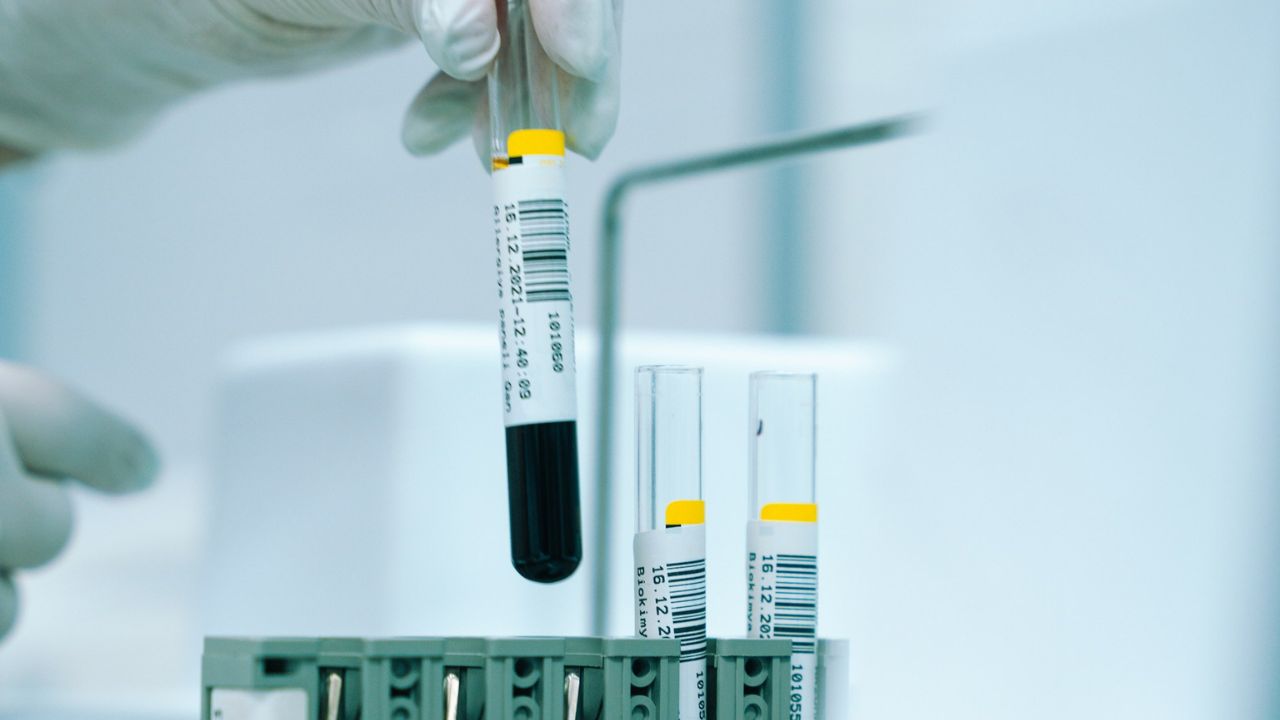
The standard first-line Lyme test does not look for the bacteria. It looks for your immune system’s response to the bacteria, the antibodies your body builds to fight it. That takes time, especially with Lyme. If you were bitten last week, your body may not have produced enough antibodies yet for the test to detect anything, which is why so many people who test early get a negative result that isn’t really negative.
My test picked up antibodies because my bite happened almost three months ago. My body had been reacting to the Lyme all summer, with the only evidence being a small bruise on my stomach that turned into a red welt-like rash and later spread to my face.
If I had known more about Lyme, the red flag should have been that the rash took weeks to spread from one area of my body to another. By the time I finally tested, I had produced plenty of antibodies for the test to find. The positive result wasn’t a sign of early detection. It was a sign that the infection had been with me long enough to leave a mark.
And I later found out that Lyme is not the only worry. Ticks are dirty critters. They carry an assortment of other bacteria and parasites, and when they bite you, they can pass along more than one thing at a time, some of which actually fuel Lyme. As I mentioned last week, the majority of infections come with at least one co-infection. So a positive Lyme test is not the end of the testing. It’s the beginning of it.
After my diagnosis, my doctors ordered a second round of blood tests looking for the two co-infections that come up most often in this context, Bartonella and Babesia. If those names sound familiar, it’s because they are the same two co-infections Nicole Bell’s husband Russ tested positive for, both of them linked to cognitive issues. So far, two of my results have come back negative. I am still waiting on a few more. These infections are treated with other medications, so it is important to know early if you have them.
The best thing you can do if a tick bites you is not to test yourself first. It’s to save the tick. Put it in a bag and send it to a lab that tests ticks directly. In my case, I never found a tick. Most doctors know how to do this, or can point you to a service that does.
If you have the tick, you know what it was carrying, which means you know exactly what to get tested and treated for, instead of guessing your way through a series of blood draw the way I have. Or there are companies like Galaxy (where Nicole is CEO) that test directly for the tick-borne illnesses, rather than just the antibodies, which can be less accurate.
As for my treatment, I am on doxycycline for 30 days, and my doctors were clear that it should not be any shorter. Doxycycline is the antibiotic most effective against the Lyme bacteria. Thirty days is a long stretch on a strong antibiotic, and it does a number on the good bacteria in your gut along with the bad. So I’m also taking a handful of supplements to help restore my microbiome while I stay the course.
Apart from that first rash, I’ve had no other symptoms. No brain fog, no memory trouble, none of the frightening things I’ve heard about in my interviews on microbes and the brain. Hopefully, I caught this in time, not because I was careful but because a rash on my face wouldn’t quit and I finally paid attention.
Please pass this along to anyone who spends time where ticks live, or anyone who’s been handed a clean test, who could potentially have Lyme. And if you missed Part 1 of my Lyme story, you can find it here.
With hope,
Deborah
Related Articles
No Related Post Found





PS I am so sorry about your diagnosis. Glad you are getting good care.
Interesting. I am now in my 80s but I grew up in a semi-urban area where there was plenty of bush and long grass – ideal places for ticks. Over my early years I must have pulled hundreds of ticks out of my skin. Sometimes the head stayed there but most of the time the head came out with the body. It got to the stage that me and my sisters has so many tick-heads under our skin that we just ignored them. Just as birds leave the nest, we all eventually left home to follow our own lives, but to this day, neither I nor my siblings have any evidence that we lived in tick country.
Wow as you stated, you’re taking probiotics + when on that antibiotic. C Diff is real and real awful! Hoping for a full recovery and negative test results.
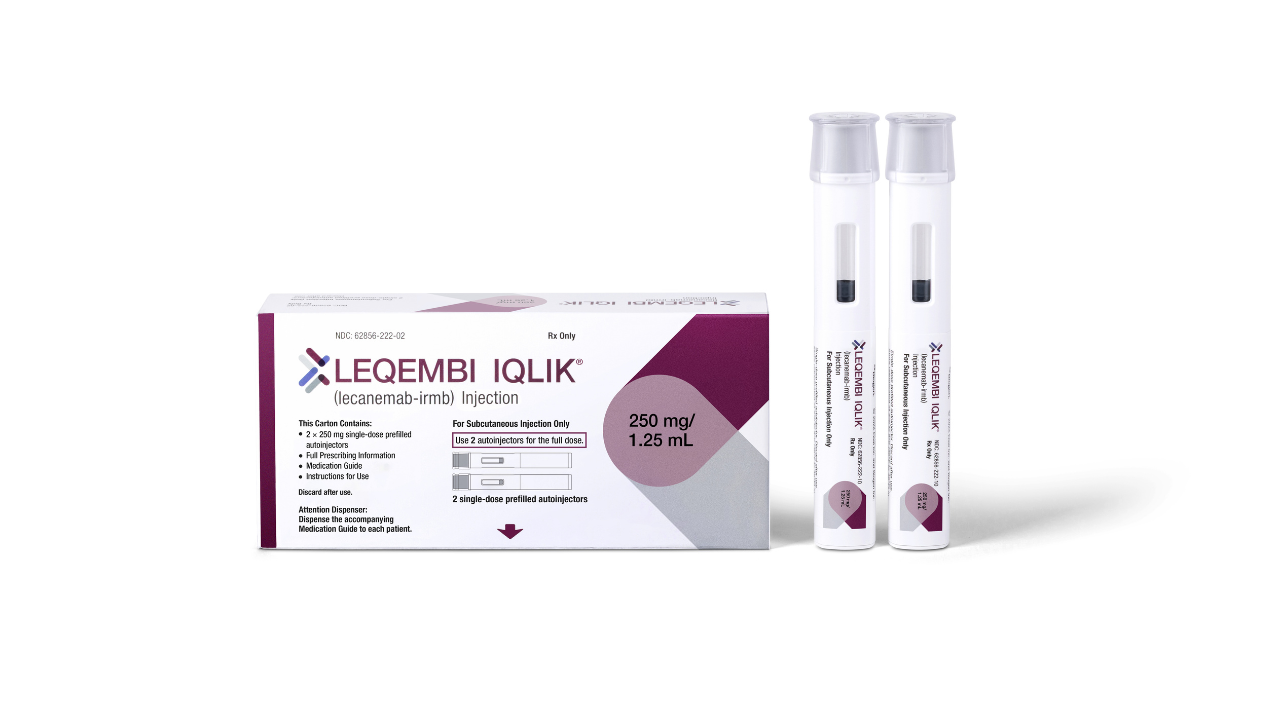
There’s an interesting parallel here between people’s experience with Lyme Disease testing, and testing for Alzheimer’s Disease. Had I accepted my neurologist’s first assessment after giving me a MOCA test (“I administered a lot of these tests, and I can guarantee you that you don’t have Alzheimer’s”), I wouldn’t be closing in on my 1-year anniversary of receiving life extending lecanemab treatments. A follow-on pTau217 blood test showed elevated levels that were concerning but not conclusive (the value of simple, inexpensive blood tests!). A PET Scan follow-up to that confirmed it. Science isn’t perfect, and nature doesn’t always leave a conclusive calling card, so when something feels wrong, we must be our own advocate and be persistent.
I’m glad you are on your way to recovery! Thanks for sharing.