NFL Players Face Higher Risk of Neurodegenerative Disease Death

The largest study tracking NFL players shows that although they live longer on average, they also have a higher risk of dying early from neurodegenerative disease.
In June, former NFL player Chris Johnson revealed his diagnosis of amyotrophic lateral sclerosis (ALS). At 39, he visited the doctor after noticing his “didn’t feel right.” Now at 40, the nerve cells that control his muscles are dying off. Today, he uses a computer to help him speak. Johnson is the latest former football player to share his diagnosis.
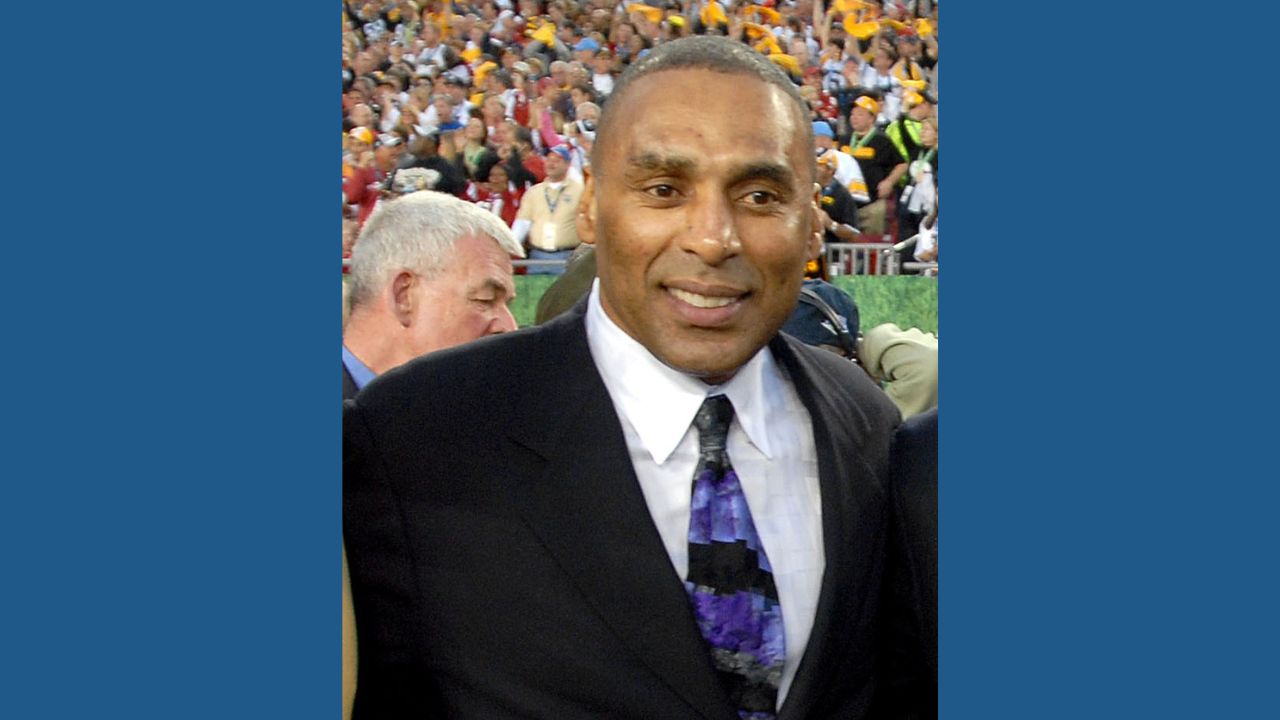
And this week, during his Hall of Fame acceptance speech, legendary running back Roger Craig, 66, disclosed his own diagnosis: Vascular dementia, caused by reductions in blood flow to the brain.
While many people know that contact sports increase the risk of developing a condition called chronic traumatic encephalopathy (CTE), these sports also increase the risk of other neurodegenerative diseases, like ALS and vascular dementia. A new study in eClinicalMedicine, co-authored by neuroscientist and brain injury physician Dr. Daniel Daneshvar of Mass General Research Institute, conducted an all-encompassing study including every player who suited up over a six decade span to understand the risk.
The former athletes lived longer on average than the general population, with a lower risk of cancer, heart disease, and suicide. Based on their overall health, “we would expect their dementia risk to also be lower than the general population,” Daneshvar told Being Patient. “Instead, we found that it was substantially elevated.”
The players had an almost four times increased risk of dying from neurodegenerative diseases, like Parkinson’s and ALS.
Football and neurodegenerative disease
The researchers followed almost 20,000 former NFL players who played between 1960 and 2019. While they were healthier on average than the general population, by 2023 about 10 percent of them had died. Among them, 33 died of ALS, 39 of Parkinson’s, and 106 of other neurodegenerative diseases.
Among the players who died before 50, the rates of ALS spiked. Based on population data, fewer than one NFL player in the group would be expected to die of ALS before 50. But the researchers found instead that 10 had died from the disease, a 42 times higher rate than expected. “These findings, and the magnitude of those findings, were remarkable,” said Daneshvar.
In other studies, researchers have found that repetitive hits to the head lead to the abnormal buildup of TDP-43, the same protein that’s implicated in ALS.
“What we found in our individuals with repeated brain injury exposures is that more than half of them have evidence of that abnormal protein,” said Daneshvar. When TDP-43 builds up in the spinal cord or the area of the brain that controls movement, called the motor cortex, then it’s more likely to lead to ALS.
The findings reassert the idea that repetitive head injury increases the risk of not just CTE, but also other neurodegenerative diseases, Dr. Carmela Tartaglia, a neurologist and researcher at the UHN’s Krembil Brain Institute, who wasn’t involved in the study, told Being Patient. For some people, the hits to the head may directly lead to CTE, but for others, she said, it could speed up their brain aging, making them develop a neurodegenerative disease earlier.
Changing the rules to prevent neurodegenerative diseases
Research is ongoing to develop better ways to treat the disease, researchers and advocates are pushing for prevention and safer sports.
The NFL has introduced additional measures to reduce head injuries. Players now wear guardian caps, a soft-shell cover over their helmet to reduce the impact of blows to the head — despite uncertain evidence that they even work.
The concussions and repetitive head injuries that increase neurodegenerative disease risk cause the brain to jiggle in the skull. “If you think of those caps, like how are they gonna stop the jiggle?” asked Tartaglia. “I would be very careful that you don’t give people a false sense of security and make them feel that their brain is more protected than it actually is.”
Tartaglia thinks that prevention requires rule changes, which many sports leagues and governments around the world are already instituting. Many countries have already banned soccer heading below a certain age. In Ontario, Canada, Rowan’s Law was enacted in memory of a high school rugby player Rowan Stringer who died after receiving multiple concussions over six days. It mandates teams to pull players with suspected concussions out of games to prevent further injury.
But there’s still pushback toward changing the rules in some of these sports since not everyone who plays them develops these diseases. Tartaglia compares that argument to health claims by tobacco companies. “That’s just like saying not every single smoker ends up with lung cancer,” she said. “We just have to focus on making the game safe.”
FAQs
Former NFL running back Chris Johnson publicly shared his diagnosis of amyotrophic lateral sclerosis (ALS) at age 40, after first noticing symptoms at age 39.
A study following nearly 20,000 NFL players found an almost four times increased risk of dying from neurodegenerative diseases overall, with ALS rates 42 times higher than expected for players who died before the age of 50.
Researchers believe that the head injury leads to an abnormal build up of the TDP-43 protein. When it accumulates near the spinal cord or the area of the brain responsible for voluntary muscle movement, it may trigger the disease.