Does Menopause Hormone Replacement Therapy Affect Dementia Risk?
Despite recent studies suggesting the therapy might reduce dementia risk, a new World Health Organization-commissioned review finds no effect.
Women are twice as likely as men to develop Alzheimer’s disease, the most common form of dementia. Scientists think the reason might be the sex hormone estrogen, which supports communication between brain cells and regulates inflammation. As women age, the levels of estrogen drop, leading to menopause and its disruptive symptoms, including hot flashes, joint pain, and cognitive impairment.
Some researchers think the drop in estrogen also makes the brain more vulnerable to Alzheimer’s and other forms of dementia.
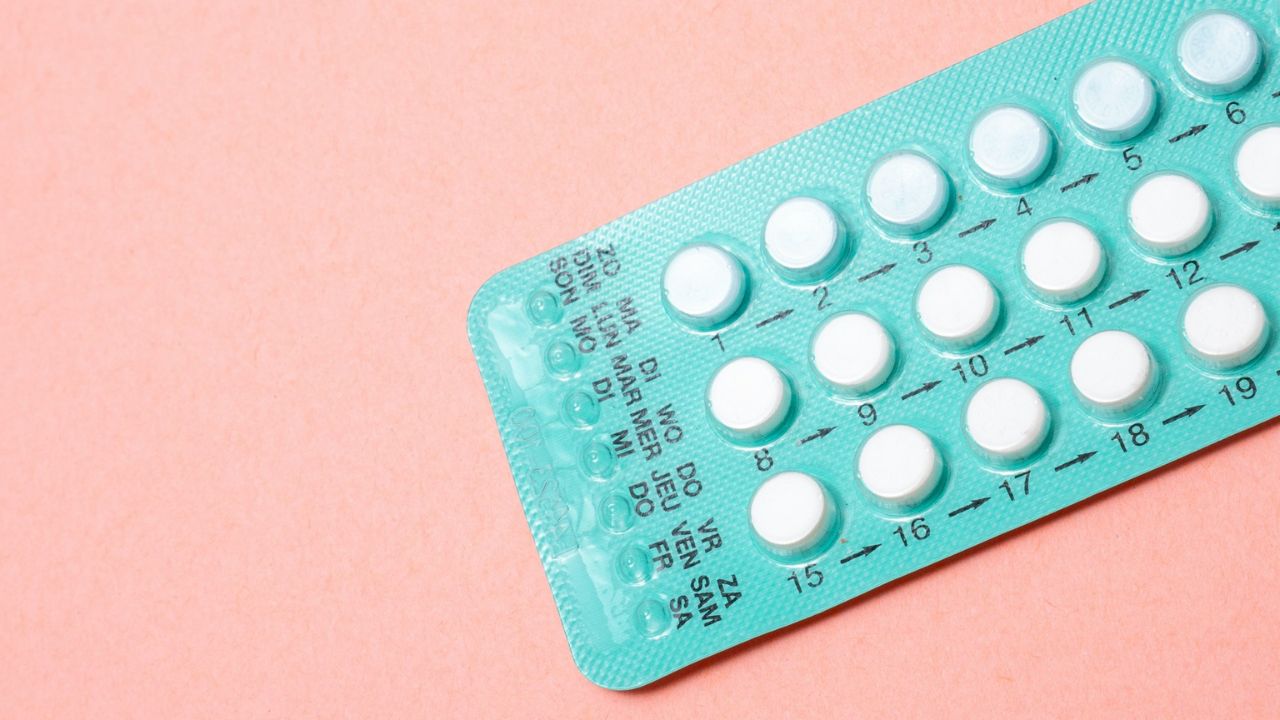
Could hormone replacement therapy (HRT) — compensatory pills and patches — stave off decline or reduce risk? Studies earlier this year suggested there’s a possibility that timing HRT right might reduce risk, though taking it after menopause could increase risk. But a World Health Organization-commissioned review published in The Lancet Healthy Longevity found no convincing evidence of any risk or benefit.
“Women’s health has been under-prioritised for far too long, and while it’s encouraging to see growing attention and investment, we still lack high-quality, long-term evidence on how menopause hormone therapy affects brain health and dementia risk,” Melissa Melville, researcher from University College London who led the study, told Being Patient.
Even though emerging research is revealing possible connections, Melville cautioned, “Women should not start menopause hormone therapy with the sole aim of reducing dementia risk.”
Reviewing the evidence for HRT
The researchers set-out to examine the links between HRT and dementia. Compared to previous studies, Melville said they “applied a more rigorous and cautious approach to weighing the evidence.”
The review included 10 studies — one randomized controlled trial, and nine observational studies — with over one million participants. Some studies conflict with each other due to looking at different criteria, Dr. Susan Davis, an endocrinologist and professor at Monash University, who wasn’t involved in the review, told Being Patient.
The authors ultimately found no significant association between HRT and mild cognitive impairment or dementia. They found no effects based on HRT timing, duration of treatment, and HRT type. However, that doesn’t rule out a cognitive impact of HRT — but the evidence is too limited to say either way.
Though the findings differ from some previous studies, Melville emphasized this isn’t a contradiction. “Our findings reflect a more cautious and transparent evaluation of a largely weak evidence base, while also highlighting important gaps,” she said.
In particular, there isn’t much research looking at women with different ethnic backgrounds, early menopause, or for those experiencing mild cognitive impairment.
The study is “a wake-up call to some people who think we have the answer already,” Gillian Einstein, president of the Canadian Organization for Gender and Sex Research and professor of psychology at the University of Toronto, who wasn’t involved in the research, told Being Patient.
Liisa Galea, a senior scientist at the Center for Addictions and Mental Health, who wasn’t involved with the study, told Being Patient that this review makes “nebulous conclusions” on HRT since the researchers didn’t do an in depth analysis of different types, like bazedoxifene and tibolone, except for estrogen and estrogen with progestogen. Different forms of estrogen, like conjugated equine estrogens and estradiol, were lumped together in one category, which Galea said she found “frustrating.”
Both Einstein and Galea emphasized there’s a lot of variation in how people respond to these therapies. “For many, menopause hormone therapy is life changing, for others not so much,” said Galea.
Einstein thinks scientists need to take an individual approach that takes into account genetics, number of pregnancies, dosing, and other factors to figure out what type of treatment works best for individuals.
“What we really need is to have something much more akin to precision medicine,” Einstein said.
Should the study change HRT prescriptions?
The findings are mostly consistent with the 2022 position statement of the North American Menopause Society guidelines. “Clinical guidelines do not recommend MHT to prevent cognitive decline,” said Davis.
The guidelines note that HRT offers the most benefit for treating menopause symptoms and preventing bone loss in women 60 and younger, or within 10 years of menopause onset. The guidelines write that starting it later may increase the risk of heart disease, stroke, and dementia — which this study did not find.
More recently, the Food and Drug Administration announced they will remove the controversial “black box” warning on HRT. The label was added after a 2003 study suggested that HRT might increase breast cancer, stroke, and heart attack risk, dramatically reducing prescriptions. An updated analysis of the evidence prompted the agency to remove the warning.
“Many more women can reduce their risk of fracture, heart disease, and immune and cognitive decline while extending their vigor,” Health and Human Services Deputy Secretary Jim O’Neill said in a statement on the benefits of taking HRT.
Davis said the evidence does not support the idea that HRT might also reduce cognitive decline. But that doesn’t mean she doesn’t see the benefit.
“Cognitive decline is not all about menopause and menopause hormone therapy — there are a multitude of risk factors that require a lifespan approach,” said Davis. “Taking estrogen at menopause is not going to suddenly protect women against cognitive decline when all these other components are so very very important.”
This includes looking after well-established risk factors for dementia and cognitive decline like cardiovascular disease, poor nutrition, and physical inactivity rather than focusing solely on hormone replacement therapy.