Lethal Weapon Star Danny Glover Reveals Alzheimer’s Diagnosis

In an interview with TODAY, Danny Glover reveals that he’s been living with Alzheimer’s for several years, but with the support of his family he’s ready to take on the disease.
Acting legend Danny Glover, 79, a four-time Emmy Award Winner, famous for his portrayal of Roger Murtaugh in the Lethal Weapon franchise, revealed to TODAY that he’s been living with Alzheimer’s since his diagnosis in 2022.
His movements, speech, and memories have slowed, but he remains active, attending events and engaging with his community in San Francisco. He has been heavily involved in activism, working as a goodwill ambassador for the United Nations Development Program from 1998 to 2004 on campaigns against poverty, disease, and HIV/AIDS across Africa, Latin America and the Caribbean and received the Jean Hersholt Humanitarian Award at the 2021 Academy Awards for his work.
Glover and his family hope that speaking out about their experience could reduce the stigma surrounding Alzheimer’s disease. Although it affects more than seven million Americans over 65, Alzheimer’s is still stigmatized, including in Black and Hispanic communities, who are already at a higher risk of developing the disease. Glover is working with the Alzheimer’s Association on advocacy for the disease.
“I think it’s really important for him to have control of his own narrative, of his own life story,” Glover’s daughter, Mandisa, told Lester Holt in the TODAY interview. “That’s really important. And the time is now. What better time but now for him to speak for himself?”
What are the early signs of Alzheimer’s?
While Glover did not share the earliest stages of his journey, for many people, the first symptoms of Alzheimer’s involve changes to memory and thinking. At the earliest stages, these changes are subtle and dubbed mild cognitive impairment (MCI).
UCLA’s Sidell-Kagan Alzheimer’s Disease Treatment Development Program Director, Dr. Sarah Kremen, explained that people experiencing typical age-related cognitive changes can have difficulty retrieving information from the “rolodex” in their brains.
“This is common when people are trying to name something, either finding a word that they want to use, or frequently even [finding] proper nouns, which would include names of people or famous people,” Kremen told Being Patient in an interview.
While occasional forgetfulness is normal in older age, people with Alzheimer’s will also have trouble forming new memories, remembering conversations, schedules, and missing appointments.
The changing landscape of Alzheimer’s
In the last few years, scientific advances have led to the development of accurate blood tests that could help doctors make an accurate diagnosis sooner.
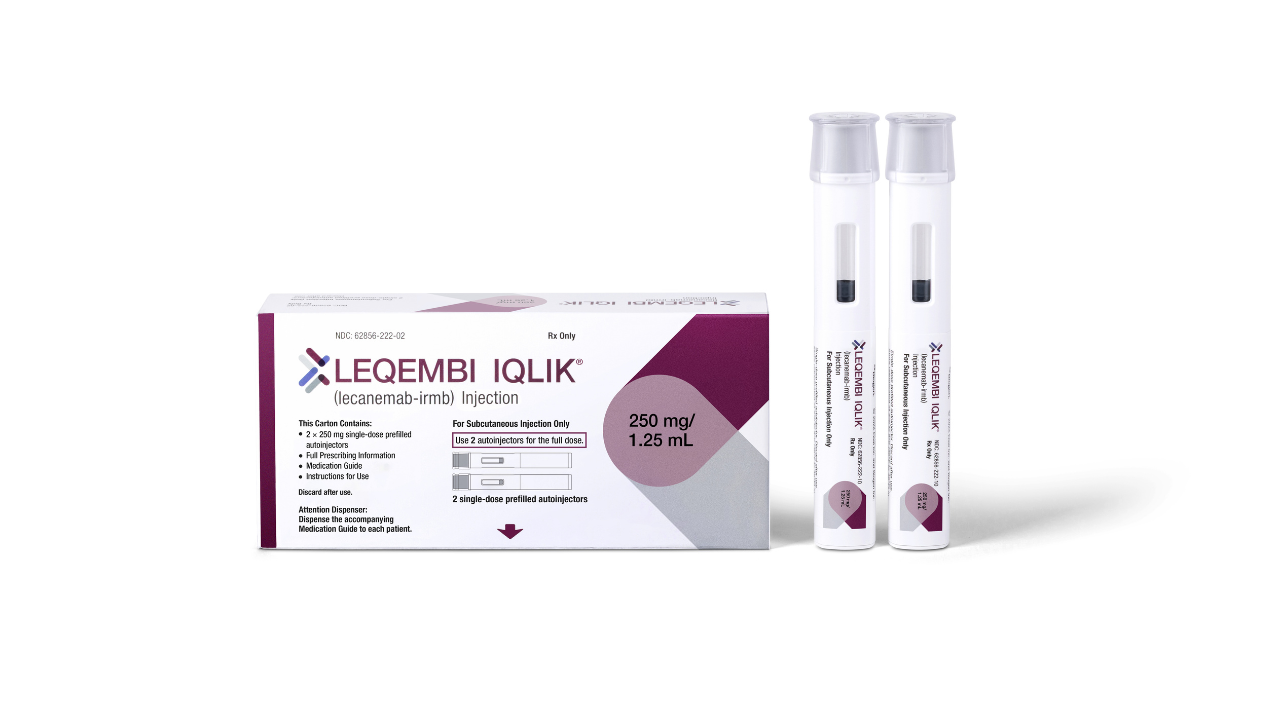
Now, there are two treatments that clear out beta-amyloid plaques, toxic proteins that accumulate in Alzheimer’s, that may slow the disease a small amount in the earliest stages and pivotal trials underway for more potential treatments.
Beyond that, there’s more research looking at how lifestyle interventions — healthy diet, blood pressure control, exercise, and other factors — could also lower the risk of the disease.
As the disease progresses, Glover expects that his life will continue to change. But he’s confident that the support of his family will help him face the disease.
“They’ve got my back,” said Glover.
Featured image: Danny Glover in 2015. Photo by 9EkieraM1, via Wikimedia Commons, licensed under CC BY-SA 3.0. Cropped and adapted from original.
FAQs
Danny Glover publicly revealed that he was diagnosed with Alzheimer’s disease in 2022.
Black Americans are twice as likely, and Hispanic Americans are about 1.5 times as likely to develop Alzheimer’s compared to white Americans. Researchers believe that genetic factors, systemic healthcare disparities, and higher rates of cardiovascular conditions like high blood pressure contribute to this increased risk.
The two FDA approved medications for treating early Alzheimer’s are Leqembi and Kisunla. They work by clearing out beta-amyloid plaques from the brain, leading to a small to modest slowing of the disease process.