How AI Could Change the Way Dementia Is Diagnosed
AI is helping researchers find patterns that could distinguish Alzheimer’s from other dementias, potentially making diagnosis faster and more accurate.
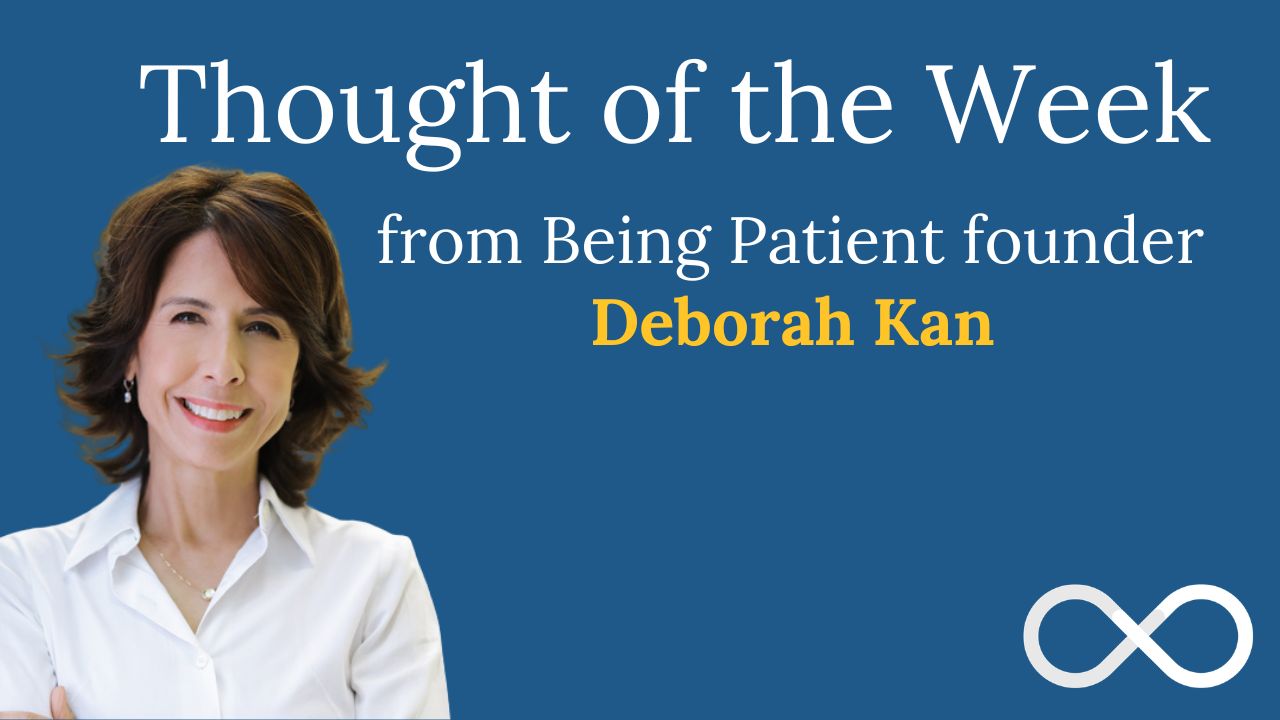
Deborah Kan is the founder and CEO of Being Patient, a journalism-driven news platform on Alzheimer’s, dementia, and brain health that she launched after her mother’s Alzheimer’s diagnosis and years as a journalist for the Wall Street Journal. She built Being Patient to translate complex dementia research into clear, unbiased reporting for patients and caregivers navigating the same uncertainty she once faced. Connect with her at deborah@beingpatient.com.
Dear readers,
An Alzheimer’s diagnosis can take three to five years for many people. The blood test may change that timeline, but the thing I’m watching most closely is what artificial intelligence is starting to do: not just speed up an Alzheimer’s diagnosis but also tell different dementias apart in the first place.
Quite a few people we interview tell us the same thing: they were given an Alzheimer’s diagnosis, then found out later they actually had another dementia. My own unscientific survey after interviewing hundreds of people with a dementia diagnosis is that Lewy body dementia is the most misdiagnosed of them all. For people like Don Kent, it meant seeing seven neurologists before anyone got it right. We have heard a version of this story too many times to call it rare.
You might be wondering why any of this matters so much. Even when different neurodegenerative diseases that don’t have a cure yet, a wrong diagnosis is not an insignificant error. It sends you towards the wrong trials, the wrong medications, and the wrong version, quite frankly, of your own future.
How is AI starting to change this? Being Patient reporter Simon Spichak looked into where the technology is heading in the diagnosis room and the three tools that stood out. I wanted to give you a sense of each, though the full reporting on how they work is worth your time reading Simon’s article.
The first is a scan you may already be scheduled for. Most people going through cognitive decline get an MRI, and for years the understanding was that it existed mainly to rule other things out. Researchers at the University of Florida found something more interesting hiding in those same images. AI could pull out patterns the human eye misses, and tell Alzheimer’s and Lewy body dementia apart 99 percent of the time. Not from a specialized PET scan. From a basic MRI. If it clears approval, the effect on misdiagnosis could be significant.
The second tool is about scale, and it comes from a doctor other doctors call when they are stuck. David Jones, a neurologist at the Mayo Clinic, is the one who colleagues reach out to when a brain scan is nondeterministic. You cannot clone a specialist like that, so his team built his expertise into software. What it can now do at the Mayo Clinic surprised me, and it involves telling apart 14 different conditions, including treatable ones that get mistaken for dementia.
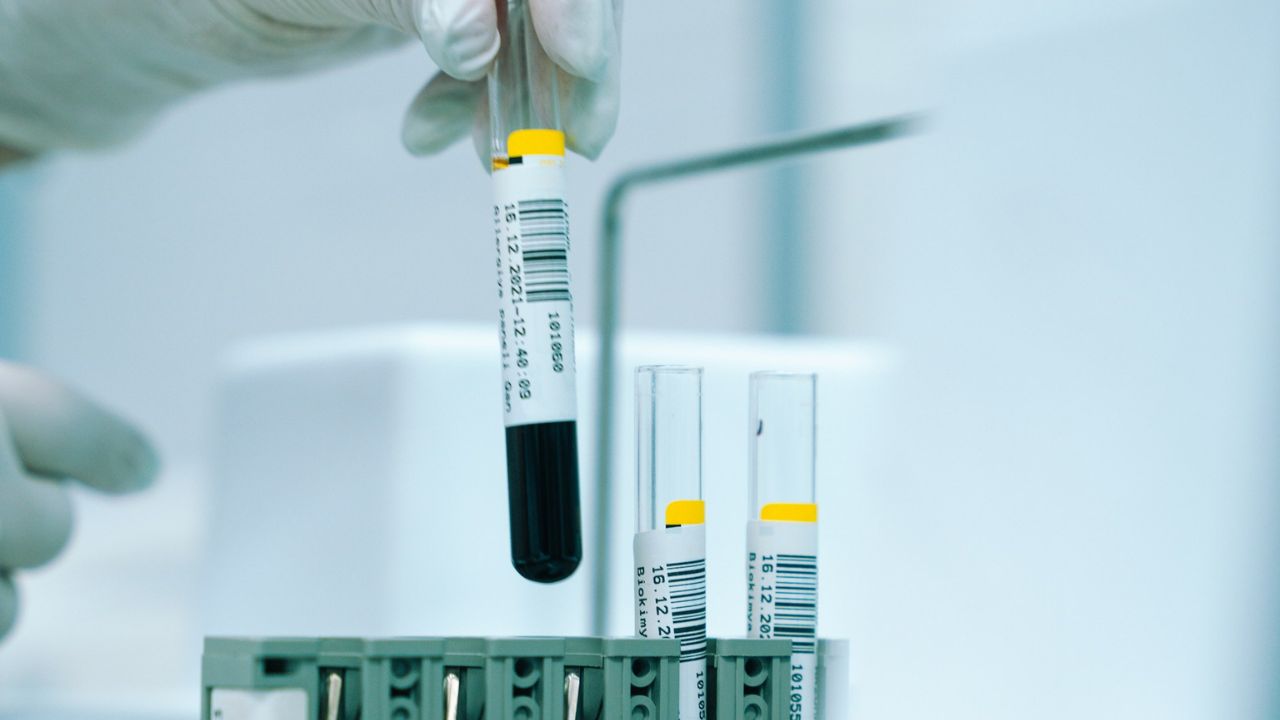
The third could reach the most people, because it starts with something as ordinary as a blood draw. Carlos Cruchaga, who directs the NeuroGenomics and Informatics Center at Washington University in St. Louis, put it plainly to Being Patient. “We cannot just think that these diseases are totally independent and isolated.” Most people who develop dementia carry more than one kind of damaging protein at once. His team used AI to study the blood of more than 3,200 people, and found a specific signature that could sort out four different dementias with striking accuracy.
That point hits particularly close to home, as it takes me back to my mom’s autopsy report, which revealed that there were three different types of dementia in her brain: Alzheimer’s, vascular and LATE dementia as identified with the presence of a protein called TDP-43. Her UCSF neurologists told us that science still doesn’t understand if different types of dementia are present early on or if all roads converge in a later stage of neurodegeneration.
For years, the frustrating truth of a dementia workup has been that no single test settles it. Doctors assemble the answer from symptoms, cognitive testing, ruling things out, imaging, and judgment. What AI is starting to offer is not a replacement for that judgment. It is a second set of eyes that has studied more scans than any one human could see in a career.
In my view, the most useful thing you can do with this is not to wait for the technology. It is to use Being Patient as a resource to ask the right questions at your doctor’s appointment. We have gone to experts like Dag Aarsland, a Lewy body dementia specialist to write the playbook on diagnosing patients for us and Barak Gaster on how he trains doctors on what to look out for to make an accurate diagnosis.
These interviews, along with the many patient perspectives we have published to understand early symptoms and diagnosis, are built for you to understand what questions you need to ask to get an accurate diagnosis. In the meantime, we will keep an eye on artificial intelligence to see how the combination of human and machine intelligence could possibly revolutionize how dementia is diagnosed.
With hope,
Deborah
Related Articles
No Related Post Found