
Frontotemporal Dementia (FTD)
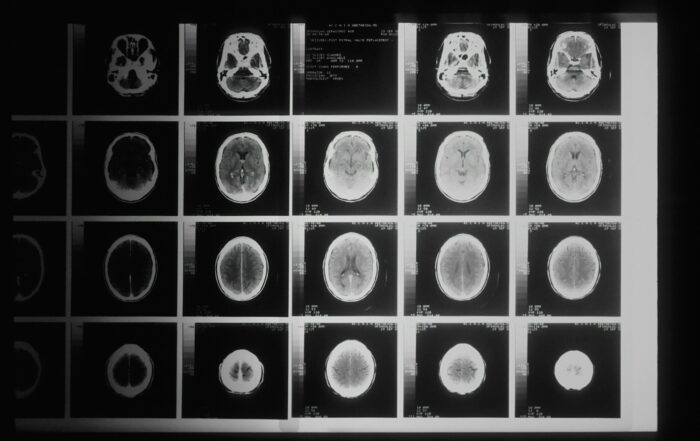
A group of disorders characterized by progressive damage to the brain’s frontal and temporal lobes. It can affect people who are quite young — even in their 20s. The loss of nerve cells in these lobes cause deterioration in behavior, personality, and/or difficulty with producing or comprehending language.


What are the symptoms of FTD?
PPA impacts language or verbal abilities, writing and understanding certain tasks. PPA typically occurs around 65 years old.
There are two types of PPA:
- Semantic variant of PPA affects the ability to speak or form words in a sentence.
- Nonfluent/agrammatic variant of PPA leads to pauses when speaking.
There are three types of motor disfunction:
- Amyotrophic lateral sclerosis (ALS), or muscle weakness or wasting
- Corticobasal syndromecauses arms and legs to lack coordination or become rigid
- Progressive supranuclear palsy (PSP)causes issues with walking, muscles, posture and could impact eye movement
What is the difference between FTD and Alzheimer’s disease?
Caregiver Perspective: Diagnosed at 29
The Science and Biology of FTD
Interactive learning guide: Understanding FTD
Click on our interactive guide below
Current Management Strategies
There are currently no disease modifying treatments for FTD but there are strategies to lessen the symptoms.
Patient Perspective: Living with FTD
FTD Genetic Factors
Although not in the majority of cases, FTD can be traced back to a genetic cause. Here’s the FTD genetic variants that scientist have so far identified.
The MAPT gene provides instructions for making tau, a protein that helps support brain cells. Mutations in MAPT can cause the tau protein to misfold and clump together, leading to frontotemporal dementia (FTD). This form of FTD often affects behavior, personality, and movement. MAPT mutations are inherited and more common in families with a history of early-onset dementia.
A mutation in the C9orf72 gene is the most common known genetic cause of both frontotemporal dementia (FTD) and ALS (amyotrophic lateral sclerosis). This mutation involves an abnormal repetition of a short DNA sequence, which disrupts normal brain cell function. People with this genetic variant may experience symptoms like personality changes, memory loss, or motor issues. While not everyone with the mutation develops disease, a family history of FTD or ALS may warrant genetic testing and counseling to better understand personal risk.
Mutations in the GRN gene, which produces a protein called progranulin, are a common genetic cause of frontotemporal dementia (FTD). When progranulin levels are too low, brain cells become more vulnerable to damage, leading to symptoms like personality changes, language difficulties, and apathy. GRN-related FTD often runs in families and typically begins before age 65. Genetic testing and counseling can help assess risk for those with a family history.
Explore our lifestyle learning guides on brain health
Click on a topic below to view the guide.



Latest treatments for FTD

FAQs about FTD
Though Alzheimer’s and FTD are both neurodegenerative diseases, the symptoms and the proteins that accumulate in the brain are different. Alzheimer’s often starts with memory loss and thinking problems while FTD may involve changes in language, behavior, personality, and movement. FTD affects people decades earlier than Alzheimer’s, with onset often starting between 40 and 65 years of age, and instead of a buildup of beta-amyloid plaques and tau tangles in the brain, there is a variety of protein aggregates like TDP-43, FUS, TAF-15, and tau that may buildup.
Different forms of FTD lead to different symptoms. In the most common form, behavioral variant FTD, early symptoms lead to changes in personality leading to aggression and inappropriate behavior. Primary progressive aphasia starts with changes in language and speech abilities. Rarer forms of FTD affect movement.
It can be. Roughly one in five cases have a genetic cause, while the cause for the majority of cases remains unknown. Mutations across 20 different genes linked to protein abnormalities — including GRN, MAPT, and C9orf72 — are identified as potential causes. Notably, people with a family history of FTD are more likely to develop the disease, even if they don’t carry any of these known genetic mutations.
