Do Artificial Sweeteners Affect Brain Health? What New Research Suggests
Emerging studies show possible links between certain sweeteners — including erythritol — and faster cognitive decline, though scientists caution the research is still early.
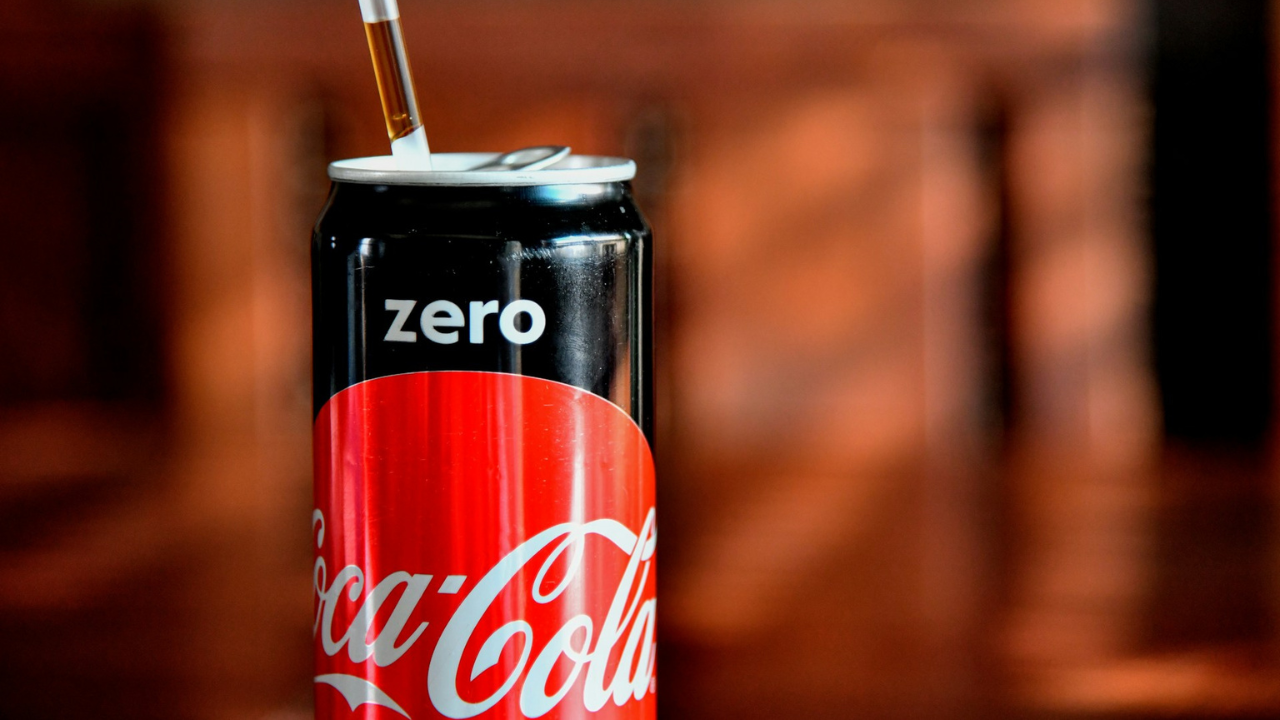
For many people, sugar-free drinks feel like a healthier choice — but scientists are still untangling what that means for brain health. A number of these drinks and several types of sugar-free processed foods all contain an artificial sweetener known as erythritol, which has been considered among the “safer” alternative to sugar.
Erythritol is a sugar alcohol but has a lower glycemic index and a different chemical structure than sucrose, or common table sugar. It’s not inherently harmful, occurring naturally occurring in some fruits. And the brain produces a very small amount of erythritol on its own.
But new research is showing an association between the consumption of artificial sweeteners like erythritol and stroke risk or cognitive decline. Data from recent studies links artificial sweeteners with an accelerated rate of cognitive decline, suggesting that erythritol in particular may cause vascular changes that increase the risk of stroke.
However, this research is limited. One major 2025 study on erythritol didn’t use the human brain — it was an in vitro study, meaning it only looked at cells in a dish. Scientists caution that this type of study can’t definitively conclude that erythritol is harming the brain.
What cell culture can and can’t tell us
The in vitro study looked at microvascular endothelial cells from the brain, exposing the cells to erythritol and measuring vascular stress. The types of cells the researchers used form one part of the blood-brain barrier. This protective membrane keeps harmful things (such as viruses) out of the brain and lets beneficial things (such as energy) in.
The study discovered that after exposure to erythritol, these cells showed changes that could theoretically increase stroke risk. For example, the cells displayed more oxidative stress (which correlates with stroke). They also underproduced nitric oxide (NO), which helps regulate blood flow in the brain.
According to Dustin Hines, PhD, associate professor of psychology (neuroscience area) at the University of Nevada, cell culture models are a helpful tool that scientists should use. At the same time, we should be wary of making broad claims from this type of study.
“In our lab we use cell culture, but we tend to use cell culture with caveats,” Hines said. “Can we understand various aspects of the blood-brain barrier from cell culture? Maybe. But we really want to be sure that it translates.”
Isolated cells in a dish can’t fully replicate the complexity of the blood-brain barrier in an actual human brain. This study also did not look at barrier permeability — whether erythritol passed through the protective blood-brain barrier or made it weaker. The researchers only saw cell-level stress after a brief, three-hour erythritol exposure (which may not represent the concentration of erythritol in the blood after long-term consumption).
“Now, should we take from this that it’s a flawed study and we shouldn’t use it?” Hines asked. “Absolutely not, but it doesn’t prove that we should throw out all our sweeteners.”
Are sweeteners linked to faster decline?
Another 2025 study used self-reported data from 12,772 adults over eight years to see whether people who regularly consumed low- and no-calorie sweeteners experienced faster cognitive decline (such as thinking and memory skills). Consumption of aspartame, saccharin, acesulfame k, erythritol, sorbitol, and xylitol was linked with a quicker decline in overall cognition, particularly in memory and verbal fluency.
Like the first study, this analysis had many limitations. Upon initial publication, this study also had statistical errors that have since been corrected.
“I think all their findings raise hypotheses, not conclusions,” Hines said. “That’s the same with both of these [studies]. Is it meaningful? I think we should spend a little more time looking at it. Is it conclusive? No. Observational design cannot prove causation.”
Where to go from here
Right now, there isn’t solid evidence that sweeteners like erythritol damage the brain.
“All of these are findings of preliminary and modest data,” Hines said. “They’re not proof of harm. In vitro effects cannot be assumed to current humans.”
What would researchers need to do for a definitive answer to this question?
“I would want to see something first of all in animal models, like a whole model that has an actual blood brain barrier,” Hines said. “[But] even the human blood brain barrier is a little different than animal models. So I think we need tighter in vitro studies with in vivo human studies [studies conducted on living people].”
Hines also said the next step should also include looking at biomarkers. “We have ways to use MRI to look at vascular markers of inflammation and blood brain barrier measures,” he said.
In the meantime, people can work with their healthcare provider or a dietitian for personalized nutrition advice. In general, it’s good to focus on eating whole foods — lean proteins, whole grains, healthy fats, fruits and vegetables — and avoid processed foods that contain lots of chemicals, including artificial sweeteners.
Hines also pointed out that sweeteners vary. “They’re all offering something very different with different side effects and chemical makeup,” he said.“I imagine the permeability of these different compounds varies greatly, [but] there’s not a lot of great data showing in humans what actually gets into the brain.”