Researchers Find Cancer-Linked Mutations in Alzheimer’s Brain Cells
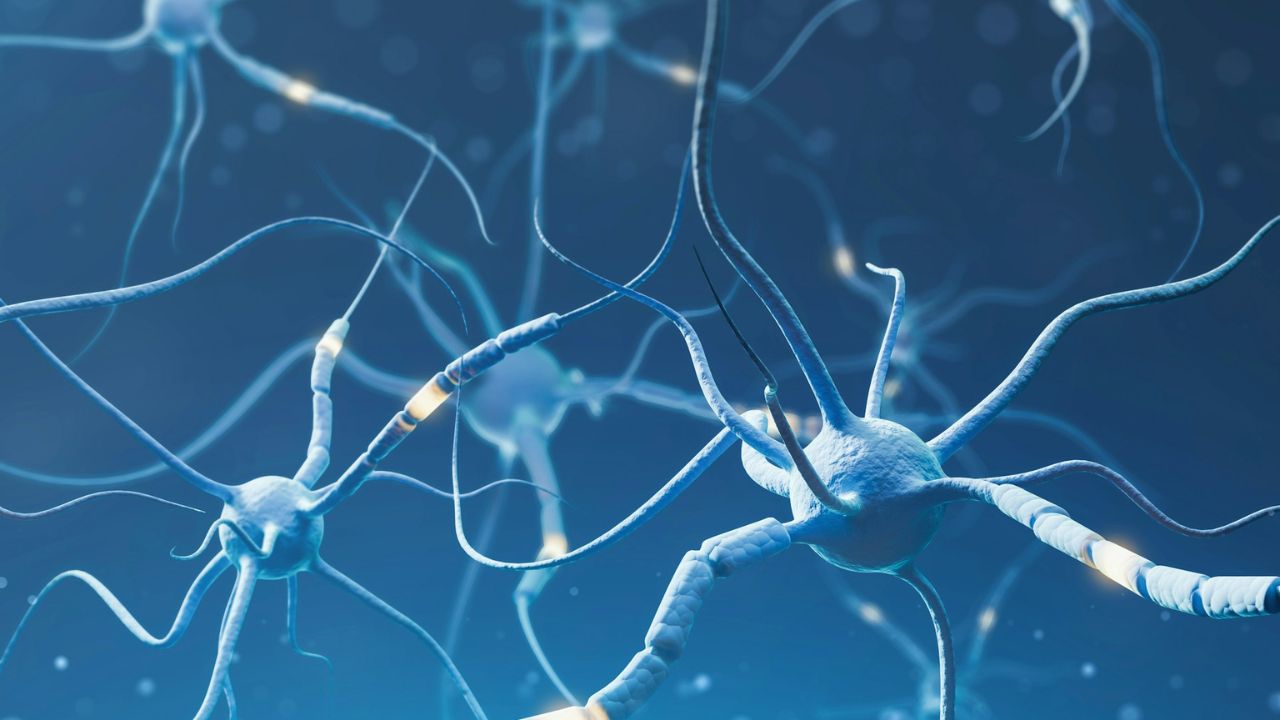
Study finds that Alzheimer’s-related brain inflammation may be linked to mutations already targeted by some cancer drugs.
The microglia are small immune cells that patrol the brain looking for damage and invaders. When they encounter damage, infections, or protein plaques, they retract their many arms and turn into a rounded blob that eats invaders and toxins, and alerts other immune cells.
In Alzheimer’s, these protective cells go haywire, leading to excess inflammation which might help drive the disease.
Previous research suggested an unexpected explanation for the phenomenon: A cancer-driving genetic mutation in the microglia. August Yue Huang, a researcher at Boston Children’s Hospital and Harvard Medical School, wanted to know whether the microglia of people with Alzheimer’s harbored more of these mutations than in healthy aging adults.
His recent study in the journal Cell showed that microglia harbor multiple cancer-driving mutations, shifting them into a pro-inflammatory state that may contribute to Alzheimer’s.
These findings suggest that cancer drugs which already target these genetic mutations might help Alzheimer’s too.
“We can repurpose those drugs to see whether we can also use the same drug to suppress the mutant microglia cells,” Huang said. “Which may help us suppress the neuroinflammation and also neurodegeneration in the disease.”
Mining microglia genomes for clues
Huang and his colleagues extracted DNA from post-mortem brain samples of 190 people who died with Alzheimer’s and 121 aged controls.
They found that the brains of people with Alzheimer’s had more cancer-driving genetic mutations than in the healthy controls. These mutations don’t necessarily mean that someone will develop cancer, but they increase the risk.
They found that in the Alzheimer’s brains, the immune cells called the microglia, harbored a handful of genetic mutations linked to increased cancer risk.
Because these mutations commonly occur in blood cancers, the team analyzed blood samples from a subset of these participants. The researchers found the same cancer mutations in the DNMT3A, ASXL1, and TET2 genes, and suspect these mutations occur in the white blood cells first. These cells are promiscuous and sometimes travel to the brain to become microglia.
The researchers think that this might be the case in Alzheimer’s, as the blood-brain barrier, which normally keeps infections, toxins, and other unwanted substances out of the brain, may weaken. From there, the mutated microglia cells divide more, thanks to their mutations, and out-compete the healthy microglia. The mutant cells show more pro-inflammatory activity, suggesting they may fan the flames of inflammation.
“We feel this kind of microglia activation could be a general mechanism for many neuro‑related conditions,” said Huang. The data isn’t published yet, but he said they found similar mutations in chronic traumatic encephalopathy (CTE), which is caused by repeated concussions.
While it isn’t peer-reviewed yet, the team has shared more data showing that these cancer-driving mutations in the blood samples increase Alzheimer’s risk whether or not an individual carries a copy of the ApoE4 gene, the single largest genetic risk factor for the disease.
“The findings are compelling,” Pinar Ayata, a microglia researcher at the City University of New York, told Being Patient. The researchers overcame the technical limitations that for years prevented other researchers from making headway and progress on the idea, she added.
Ayata said, “the functional consequences of these mutations remain unclear — whether they are detrimental to neurodegeneration or confer a net protective effect,” adding that studies in mice will help scientists understand the link between these mutations and Alzheimer’s.
Targeting microglia to treat Alzheimer’s
Scientists and drug developers are actively targeting microglia to treat Alzheimer’s.
One of the leading candidates, Alector’s AL002, a monoclonal antibody that attaches to and activates the TREM2 protein on these cells to enhance their plaque-busting abilities, failed in a Phase 2 trial and was discontinued.
The mutated microglia provide another appealing target, especially since there are already drugs that target these mutations.
“We are collaborating with scientists at Harvard and Boston Children’s Hospital to develop mouse models,” to see if introducing these mutations would drive Alzheimer’s-like symptoms, Huang said.
Some of these mutations are already treatable with cancer drugs. If these same cancer drugs treat the symptoms in mice, then they could move on to human trials, repurposing these treatments in the not-so-distant future.
FAQs
No. While the brains of people with Alzheimer’s had more cancer driving mutations in immune cells called microglia, they did not cause cancer. Instead, the researchers believe they shift the microglia into an inflammatory state that might be linked to Alzheimer’s.
Scientists are studying whether drugs that target cancer mutations that may be present in the immune cells of people with Alzheimer’s might work in mouse models of the disease. If they reduce inflammation, progression, and Alzheimer’s-like behaviours in mice, they may be tested in humans.
Researchers think that these mutations occur in white blood cells first. Some of these cells can travel past the blood-brain barrier, which protects the brain from infections and toxins. The mutated blood cells transform into microglia, the brain’s immune cells, and multiply rapidly, outcompeting healthy cells, and triggering inflammation.