What We Know Now About the Risks of Contact Sports
New research is sharpening our understanding of how repeated head injuries can affect the brain — and what parents should know about protecting young athletes.
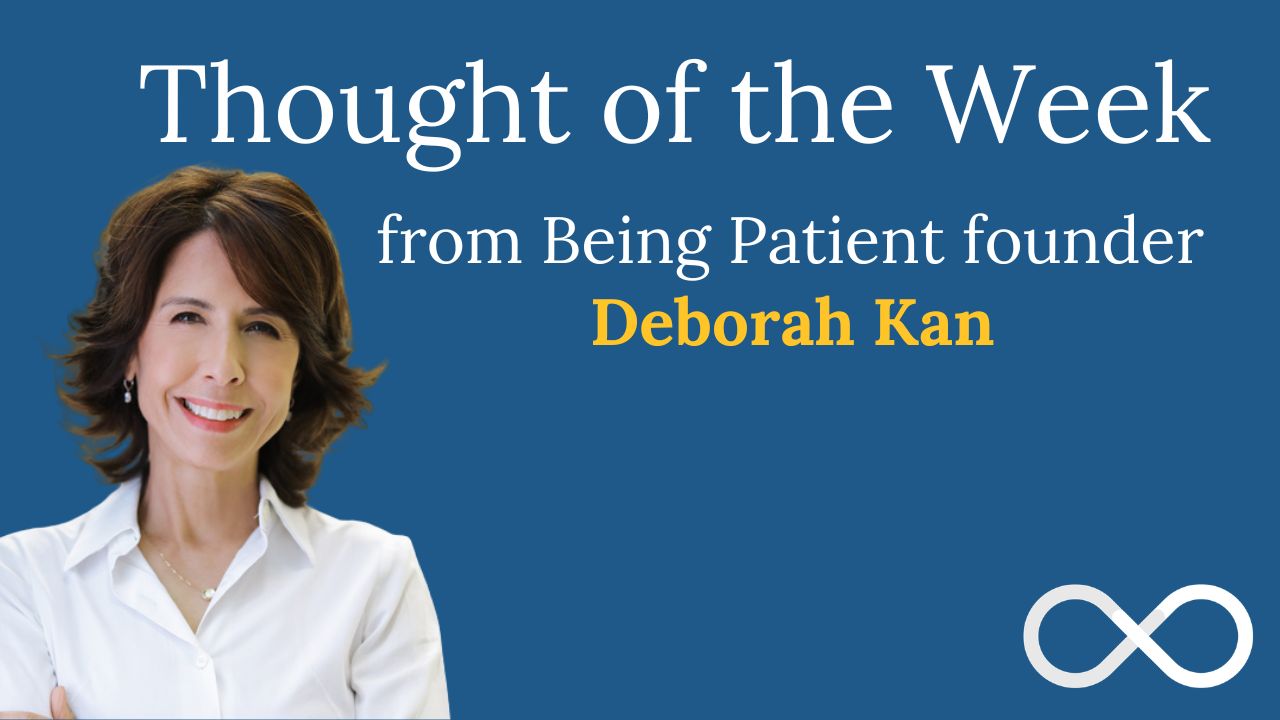
Deborah Kan is the founder and CEO of Being Patient, a journalism-driven news platform on Alzheimer’s, dementia, and brain health that she launched after her mother’s Alzheimer’s diagnosis and years as a journalist for the Wall Street Journal. She built Being Patient to translate complex dementia research into clear, unbiased reporting for patients and caregivers navigating the same uncertainty she once faced. Connect with her at deborah@beingpatient.com.
Dear readers,
My son Jack has played rugby since he was 4 years old. When he made his college team, I was happy for him but I was second guessing whether or not we should allow him to play. I had just launched Being Patient, and I was reading everything I could find on concussions and how repeated hits change the brain over years, not days. Chronic traumatic encephalopathy. CTE. A condition I hadn’t thought much about until it was my own son on the field.
Around that time I sat in a room in New York at a brain health summit, listening to a panel of three prominent neurologists. Each of them had raised a son who played football. The moderator asked the question: Now that the link between concussion and CTE has been established, would you let your son play today?
All three said no. Today the research explains why.
A study published this month in eClinicalMedicine followed nearly 20,000 former NFL players who played between 1960 and 2019. By 2023, about 10 percent of the group had died. Thirty-three of those deaths were from ALS. Thirty-nine were from Parkinson’s. A hundred and six were from other neurodegenerative diseases. You can read more about that study here in our coverage this week.
The mechanism researchers point to is a protein called TDP-43. Repetitive head injuries cause it to build up abnormally, and more than half of people with repeated brain injury show evidence of it. When it accumulates near the spinal cord or motor cortex, ALS becomes more likely.
Chris Johnson, the former NFL running back, was diagnosed with ALS at 39. He’s 40 now. Roger Craig, the Hall of Fame running back, was diagnosed with vascular dementia at 66. These aren’t abstractions to me anymore. They’re a reminder to the answer that panel of neurologists gave me years before the data caught up to them.
There is real disagreement about what to do once a concussion happens, and even that is shifting. For years the guidance was to get rest, and more rest. Dr. Munro Cullum, a neuropsychologist at UT Southwestern who studies CTE, has told Being Patient that complete rest for days on end is no longer the standard. After the first day or two, light exercise, a brisk walk, a few minutes on a stationary bike, tends to help more than sitting in a dark room. The new approach is a slow, symptom-guided return to normal life, backing off only if symptoms get worse.
I remember a conversation I had with Ed Blonz, a nutritional scientist at UCSF, who has spent years asking a different question about the aging brain. What if part of the problem is a brain running low on fuel. Blonz studies ketones, an alternative energy source made from fat, as a way to feed a brain that can’t use glucose as efficiently anymore. A head injury also disrupts how the brain uses energy, and I find myself wondering whether that same thinking could someday apply to what happens after a concussion.
What’s still unresolved is what protects the brain when contact can’t be avoided, and how early we can catch the damage before it’s permanent. Guardian caps help some, but not enough. A handful of countries have banned heading in youth soccer. Rowan’s Law in Ontario requires a concussion protocol before a kid is cleared to play again. None of it is a solution. All of it is a start, and it’s worth asking your own child’s coach or league which of these protections they actually follow.
For parents, none of this makes the decision simple. Jack is 26 now. He no longer plays rugby. But if my kids were small again, actually knowing what I know now, not just having read about it, I don’t think I could watch them run onto that field the same way I once did. That’s not a judgment of other families. It’s just where the evidence has taken me.
With hope,
Deborah
Related Articles
No Related Post Found