Hall of Famer Roger Craig Reveals Vascular Dementia Diagnosis
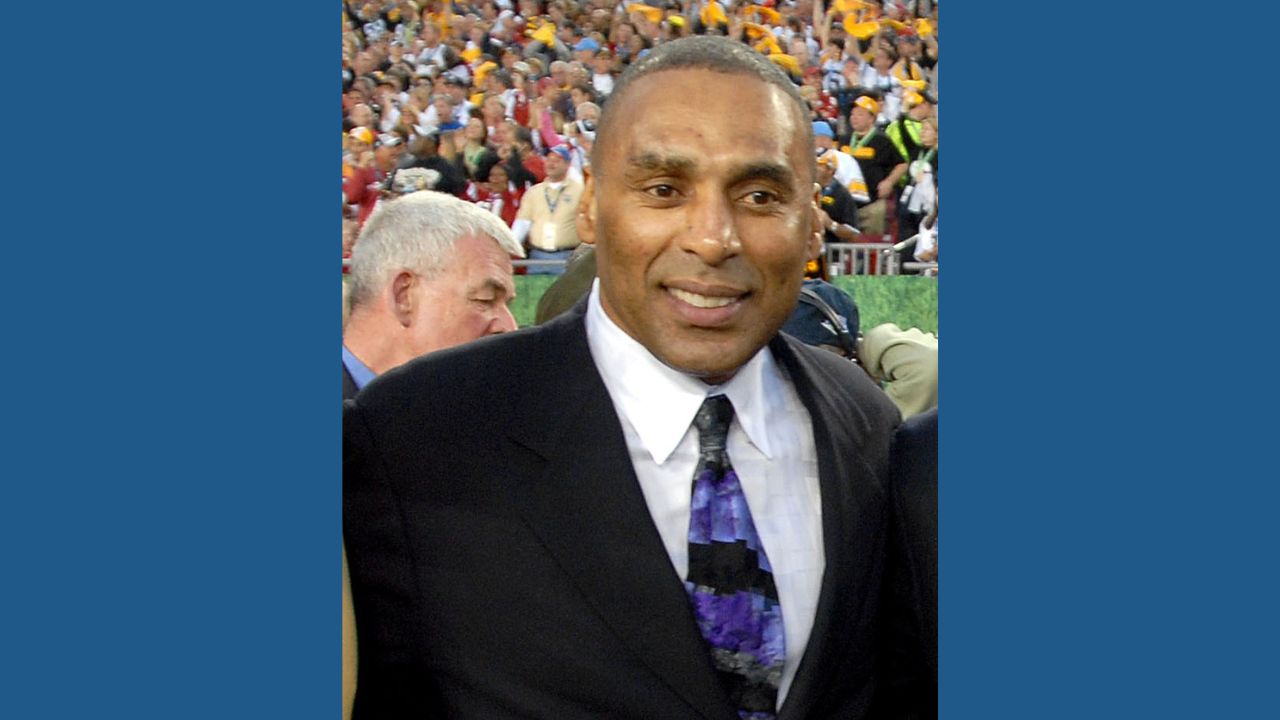
NFL Hall of Famer Roger Craig disclosed his vascular dementia diagnosis during his Hall of Fame acceptance speech.
During his taped Hall of Fame acceptance speech on Aug. 8, NFL running back Roger Craig revealed his vascular dementia diagnosis. Vascular dementia is one of the most common forms of the dementia, caused by changes in blood flow that starve brain cells, leading to challenges with organization and problem solving, as well as confusion.
The former football star, 66, was told by his doctors that the concussions he sustained over his 11-year playing career may have contributed to his diagnosis. Craig, who spent most of his career with the San Francisco 49ers and also played for the LA Raiders and Minnesota Vikings, is the latest football player to disclose a neurodegenerative disease diagnosis.
A large study of almost 20,000 NFL players found they had an almost four-times increased risk of dying from neurodegenerative disease.
As he explained in his speech, at first he dismissed the gradual symptoms as normal aging. But as his family started noticing the changes, they sought more answers from the doctor.
“I want people to know this diagnosis doesn’t define me. I am still Roger Craig,” he said. “I am still a father, a husband, a teammate, a friend and someone who loves this game and the people who brought it to my life. If sharing my story helps even one family or one former player, then it’s worth it.”
What is vascular dementia?
Vascular dementia may be caused by high blood pressure, diabetes, mini-strokes, and other damage to the brain’s blood vessels that prevent oxygen and nutrients from reaching the brain, causing these cells to starve and die. Although NFL players have low rates of high blood pressure and diabetes, repetitive hits to the head increase their risk.
To make a diagnosis, doctors take a patient’s history to understand these cardiovascular risk factors and run basic laboratory tests to rule out other vitamin or hormone deficiencies. They also gather clues by listening to the symptoms: In Alzheimer’s, memory problems are often some of the first symptoms, but in vascular dementia executive function — important for planning, solving and completing complex tasks — is affected first. The damage caused by vascular dementia may be visible on an MRI brain scan, helping with the diagnosis.
Many people with vascular dementia have other forms of dementia. In the brains of NFL players examined post-mortem, most showed signs of multiple types of dementia.
There are currently no validated biomarkers or approved treatments for the disease, but a handful of human trials are testing treatments that could curb the damage.
Craig is one of many former NFL players who are disclosing their neurodegenerative disease diagnoses, in part to raise public awareness of these conditions. “I hope sharing my story encourages people to pay attention to their health and seek help when something doesn’t feel right,” he said.
FAQs
Alzheimer’s disease often starts with memory loss while vascular dementia affects executive function. This means that rather than forgetting conversations, names or dates, someone with vascular dementia may have trouble with planning, organization, and problem solving.
During his Hall of Fame acceptance speech, former NFL running back Roger Craig was diagnosed with vascular dementia. His doctors told him that the concussions he sustained during his 11-year career likely contributed.
Repetitive hits to the head likely explain why NFL players have an almost four times increased risk of dying from neurodegenerative disease. Hits to the head lead to the buildup of protein aggregates in the brain and damage to the blood vessels which increases the risk of these diseases.