VOICES: What I Wish I Knew: Caregiving Is an Inside Job
Nicole Will reflects on how caregiving is woven into her life and the important lessons it has taught her.
Nicole Will is creator and host of the willGather podcast and head of marketing and partnerships at Rendever, amplifying the voices of older adults, caregivers, and professionals while helping organizations reimagine what’s possible in aging and care. With a background in social gerontology, senior living leadership, and personal caregiving experience, Will brings together strategy, storytelling, and human connection to inspire more compassionate, person-centered communities.
A few days ago, I helped feed my best friend.
Just months ago, Ashleigh was training for a triathlon. Today, she is learning how to navigate life as a quadriplegic after a devastating accident.
As I sat beside her at Shirley Ryan AbilityLab, helping with small tasks she once did effortlessly herself, I found myself thinking about something I’ve learned over and over again throughout my life:
There is no greater act of vulnerability than needing help.And there is no greater privilege than being trusted to give it.
The moment wasn’t about feeding my friend. It was about witnessing her humanity in one of life’s most difficult chapters. It was about seeing the courage it takes to receive care.
Most people think caregiving is about what we do for someone else. I’ve learned it’s just as much about what it does to us. In many ways, that lesson began long before Ashleigh. It began with my grandmother.
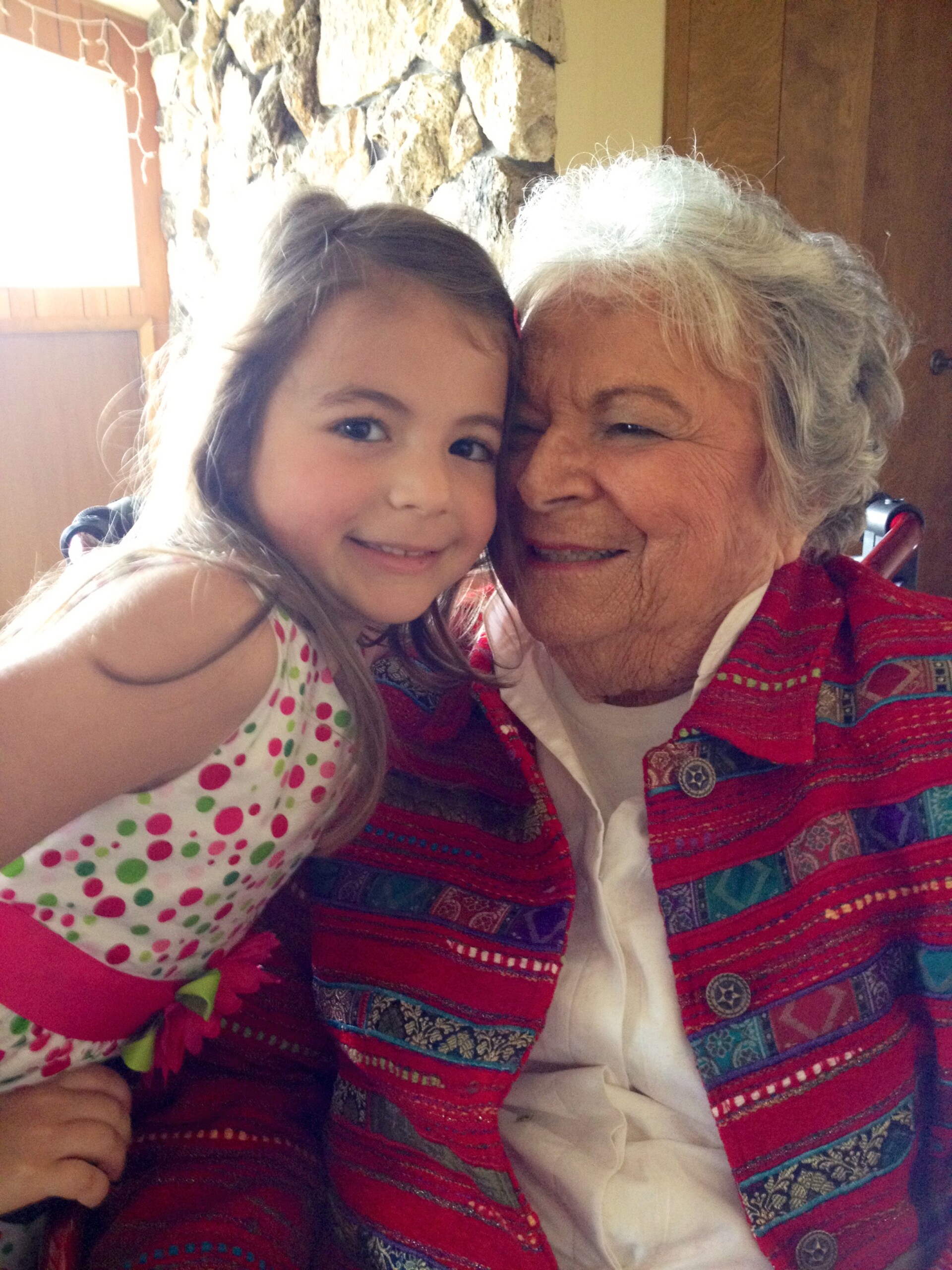
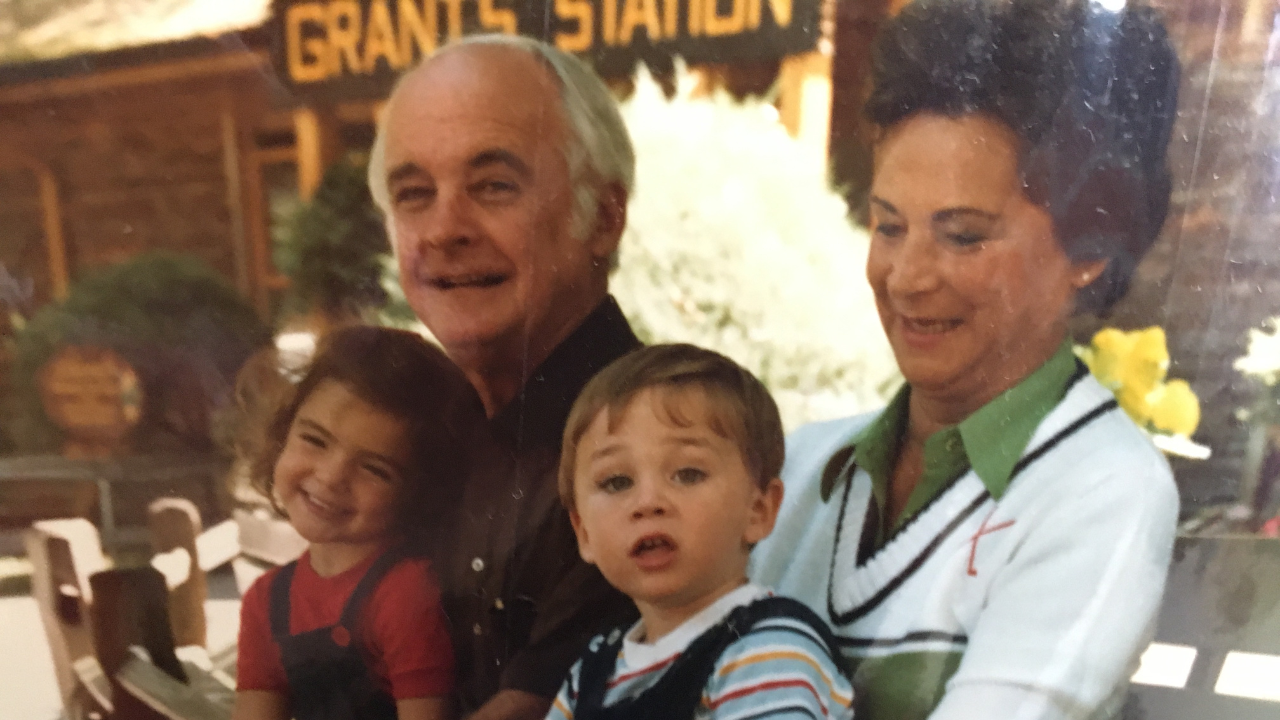
Growing up, my grandmother lived with our family. Long before I had degrees, certifications, or a career in aging services, I had a front-row seat to caregiving.
I watched my parents show up for her every day. Helping. Listening. Adjusting. Including her in our lives.
As she grew older, we also began navigating the changes that came with dementia. I witnessed firsthand how a diagnosis affects not just one person, but an entire family. I saw the confusion, the grief, the moments of frustration, and the heartbreak of watching someone you love slowly change.
But I also saw something else. I saw extraordinary love.
I saw my family adapt. I saw patience where impatience could have existed. I saw dignity protected in a world that often misunderstands people living with dementia.
At the time, I didn’t realize how much those experiences were shaping me. I simply knew that my grandmother belonged. She wasn’t separated from life because she was aging or because she was living with dementia. She was woven into it.
Looking back, I understand now that those years gave me something far more valuable than knowledge. They gave me perspective.
That perspective eventually led me into a career working with older adults and families navigating dementia, caregiving, loss, and change. In many ways, I wasn’t choosing a profession, I was continuing a lesson my grandmother had started teaching me years earlier. For more than two decades, I’ve had the privilege of walking alongside people during some of the most intimate moments of their lives.
I’ve helped people eat.
I’ve helped people bathe.
I’ve helped people move from bed to wheelchair.
I’ve sat with families after difficult diagnoses and listened to caregivers cry in parking lots because they didn’t know how they could keep going. And through every one of those experiences, I kept learning the same lesson.
Caregiving is an inside job.
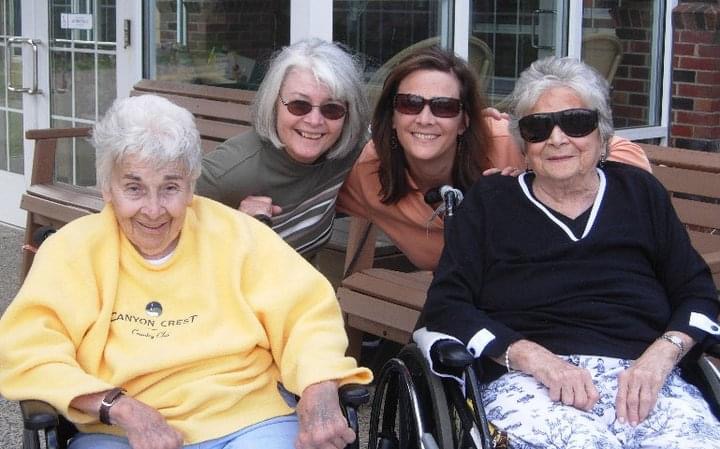
The practical responsibilities of caregiving are real. The appointments. The medications. The schedules. The paperwork. The decisions.
But beneath all of that is something deeper.
Caregiving asks us to step outside ourselves. To slow down enough to wonder:
What does this feel like for them? What does it feel like to lose abilities you once took for granted? What does it feel like to need help getting dressed? What does it feel like to struggle to find words, remember names, or navigate a world that no longer makes sense?
When we ask those questions, something changes inside of us.
We stop seeing behaviors. We start seeing people. We stop focusing solely on tasks. We start focusing on dignity.
One of the greatest gifts caregiving has given me is compassion. Not sympathy. Compassion. The ability to sit beside another person’s pain without needing to fix it. The willingness to recognize that every person is carrying a story we cannot see.
The understanding that fear often hides beneath frustration, that grief often hides beneath anger, and that resistance is often a person’s attempt to hold onto control when everything else feels uncertain.
Caregiving has also taught me uncomfortable truths about myself. It has shown me where I am impatient. Where I want control. Where I rush instead of listening. Where I need to let go of the illusion that I can solve everything.
The people I’ve cared for have been some of my greatest teachers. They’ve taught me resilience. Humility. Presence. And perhaps most importantly, they’ve taught me that our value as human beings has nothing to do with our productivity, our independence, or our abilities. We are worthy simply because we are human.
As I support Ashleigh and her family today, I find myself returning to these lessons once again.
I’ve been overwhelmed by the power of community. By the people showing up. By the meals, messages, fundraisers, prayers, and acts of kindness. Caregiving reminds us that we were never meant to do life alone. It reminds us how deeply we need one another.
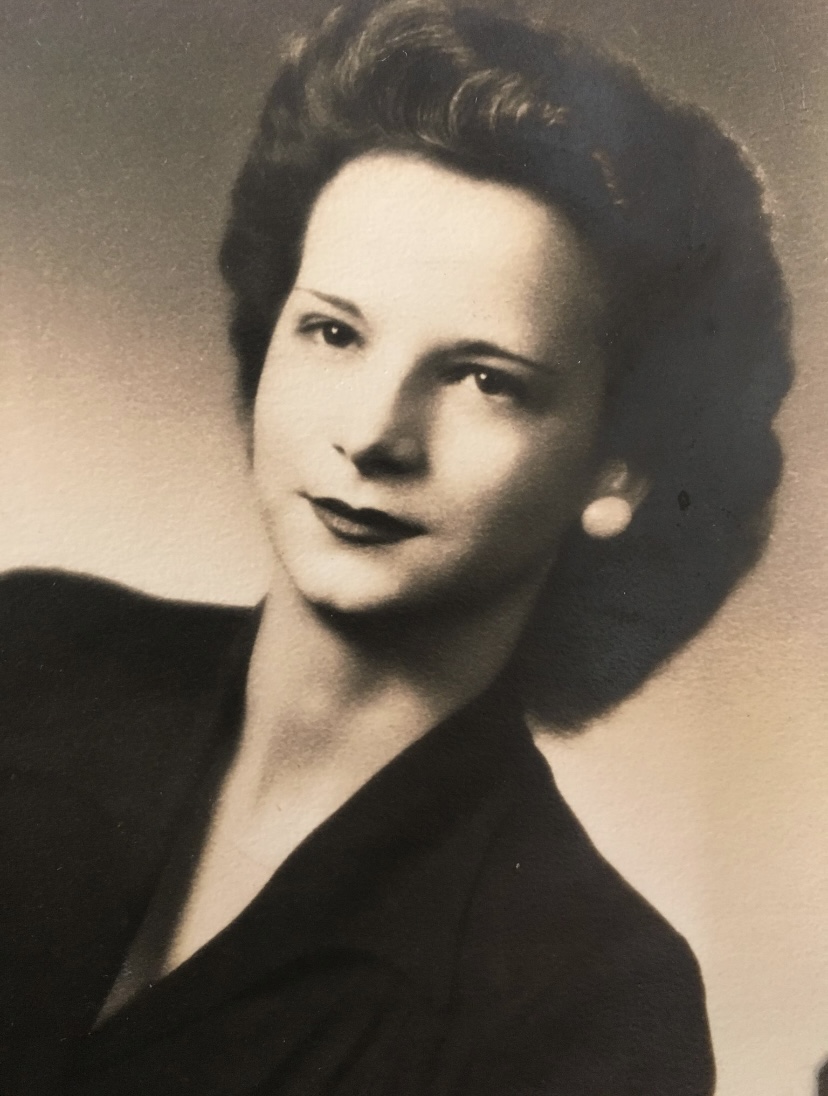
If I could tell caregivers one thing, it would be this: Pay attention to what caregiving is teaching you. Not just about the person you’re caring for. About yourself. Notice where your heart softens. Notice where your perspective changes. Notice where your assumptions fall away.
Because somewhere between helping another person navigate their vulnerability, you begin to understand your own. And in that space, something incredible happens. You discover that caregiving isn’t simply about caring for another human being. It’s about becoming a more compassionate one yourself.
Today, I find myself carrying these lessons into every part of my life and work. Whether I’m supporting families and helping caregivers build empathy through immersive experiences at Rendever, or sharing stories through my podcast, I am still doing what caregiving first taught me to do years ago with my grandmother: helping people see one another more fully.
Looking back, I can see that every chapter of my life has somehow led me back to caregiving. From watching my grandmother’s journey with dementia, to spending my career alongside older adults and families, to helping my best friend navigate life after a life-changing injury, the lesson remains the same. We are meant to care for one another. Not because it’s easy, but because it is one of the deepest expressions of love.
Related Articles
No Related Post Found