What Is CTE? A Guide to Chronic Traumatic Encephalopathy, From Symptoms to Treatment
Chronic traumatic encephalopathy (CTE) is a degenerative brain disease tied to repeated head trauma. Here's what researchers know about its symptoms, how it differs from Alzheimer's, and what people living with it say helps.
A growing body of research suggests that, for some athletes and others exposed to repeated blows to the head, those impacts may accumulate over a lifetime and, decades later, contribute to a degenerative brain disease known as chronic traumatic encephalopathy, or CTE.
CTE has become a familiar term in headlines about football, hockey, and combat sports, often linked to reports of memory loss, mood changes, and early dementia. But much about the disease remains poorly understood, and some of coverage of CTE can be incomplete, misleading, or overstated.
Emerging peer-reviewed research — and the experiences of people living with symptoms associated with the condition — are expanding what we know about CTE, how it shows up, is diagnosed, and what can be done to manage its effects.
What is chronic traumatic encephalopathy?
CTE is a neurodegenerative disease associated with repeated head trauma — not only concussions, but also smaller, repetitive hits to the head that may not cause immediate symptoms. Researchers believe these impacts, over time, can trigger changes in the brain that contribute to brain cell death, tissue shrinkage, and, in some cases, symptoms ranging from headaches and mood changes to dementia.
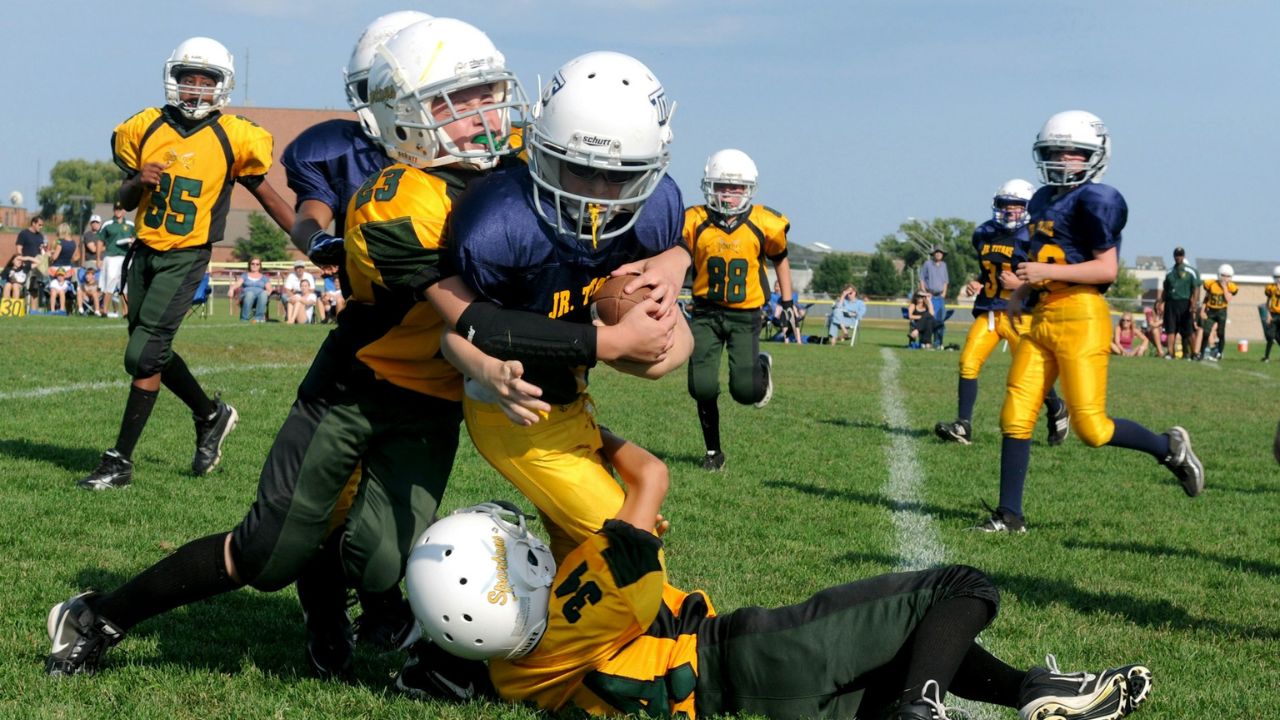
CTE has been most closely associated with contact sports, particularly football, hockey, and combat sports. In a Boston University study of donated brains from former football players, researchers found CTE in 99 percent of former NFL players examined. The finding was striking, but researchers cautioned that it may reflect selection bias: Families who suspected CTE may have been more likely to donate a loved one’s brain for study.
Because the brains were donated, the study does not show how common CTE is among all people who play contact sports. Still, the findings have helped reshape how scientists, athletes, and parents think about the long-term risks of repeated head impacts.
Although CTE is often associated with older former athletes, researchers have found evidence of the disease in young contact-sport athletes who died before age 30, with cases reported in people as young as 17.
What causes CTE?
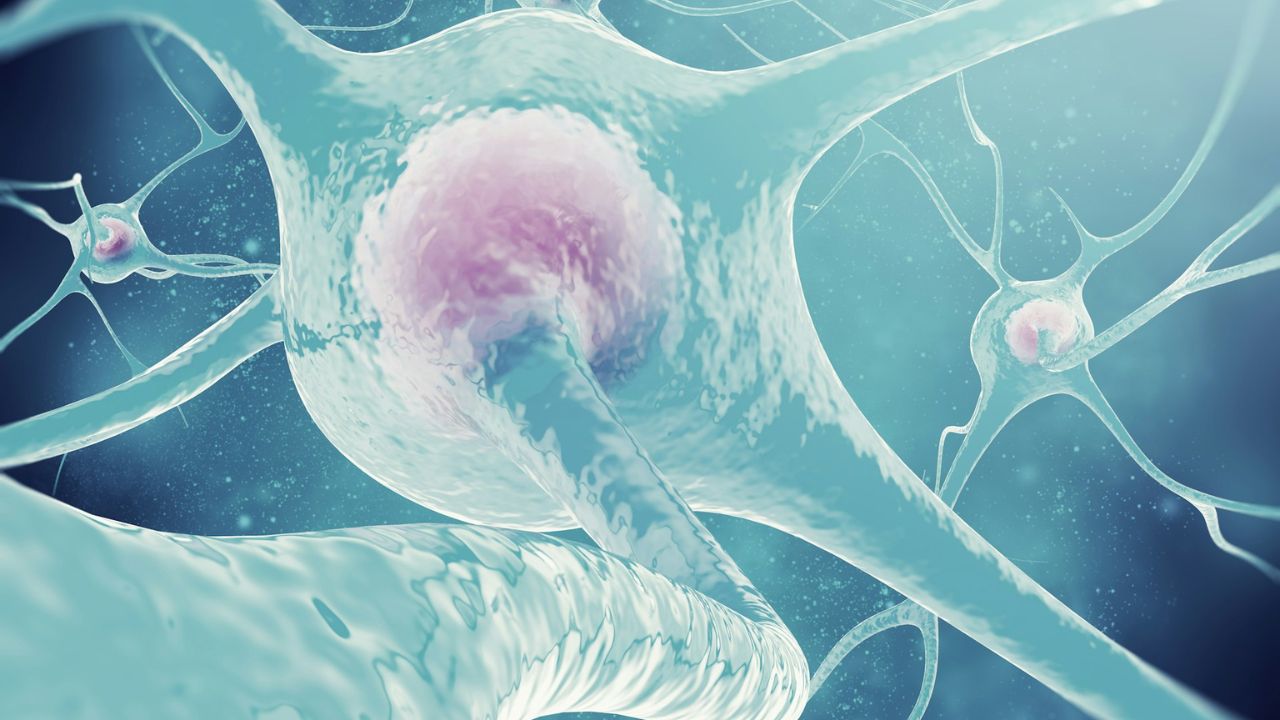
At the cellular level, CTE is marked by the buildup of an abnormal protein in the brain. As that protein accumulates, it interferes with neurons’ ability to function properly, and over time, those brain cells begin to die.
The protein at the center of the disease is tau. In a healthy brain, tau helps support the internal scaffolding of neurons. In CTE, an abnormal form of tau clumps together in a distinctive pattern — often deep within the folds, or grooves, on the brain’s surface — and spreads through regions responsible for mood, behavior, and cognition.
Repeated head trauma appears to trigger a cascade of biological events that drives this process, leading to brain cell death and tissue shrinkage. One of the most challenging features of the disease is its timeline: symptoms typically appear years, or even decades, after the head trauma that set them in motion, which makes early diagnosis extremely difficult.
What are the symptoms of CTE?
Because CTE develops slowly, its symptoms tend to emerge in two broad phases. The course of the disease can vary widely from person to person, and not everyone experiences the same symptoms.
Early symptoms are often reported in midlife and may involve changes in thinking, mood, and behavior. These can include headaches, confusion, disorientation, dizziness, short-term memory problems, impulsivity, and erratic behavior.
As the disease progresses, symptoms may become more severe. Some people develop aggression, paranoia, depression or suicidal thoughts, while others experience dementia, movement problems or difficulties with speech.
Because many of these symptoms overlap with other neurological and psychiatric conditions, they can be easy to attribute to something else. That overlap is one reason CTE so often goes unrecognized during a person’s life.
What a concussion does to the brain
To understand how repeated head impacts could lead to long-term damage, it helps to start with a single concussion. A concussion is a form of traumatic brain injury, usually at the milder end of the spectrum, that can happen when the head strikes something or when a blow to the body causes the head to move rapidly.
“The brain is a soft organ in a hard case,” Sarah Hellewell, a neurology researcher and concussion expert at Curtin University and the Perron Institute, told Being Patient. In addition to the initial damage to brain cells at the moment of injury, she explained, a concussion “sets off a cascade of chemical and biological changes which occur within minutes and may last days or even weeks after concussion.”
Among those changes, the structural scaffolding of cells in the brain’s white matter “may begin to weaken or break, preventing or reducing the ability of cells to communicate,” Hellewell said. Most people recover from a concussion, but the timeline varies. As Hellewell noted, “The recovery period may be different for each person, and may persist even after symptoms go away.”
How is CTE diagnosed?
One of the biggest challenges surrounding CTE is that, at present, it can only be definitively diagnosed after death, through a post-mortem examination of brain tissue. That means many suspected cases are never confirmed, and people living with symptoms may not receive a clear answer during their lifetime.
Complicating matters further, CTE symptoms can overlap with other neurological, psychiatric, and neurodegenerative conditions, which can contribute to delayed or mistaken diagnoses.
Researchers are working to change that. Studies are underway to identify ways of detecting CTE during life, including:
- Blood tests and spinal taps to detect biomarkers such as amyloid and tau
- New brain imaging techniques, such as specialized MRIs
- Neuropsychological tests to evaluate memory and executive function
None of these tools can yet diagnose CTE on its own. But together, they represent a meaningful shift toward identifying the disease earlier and, eventually, improving care for people living with symptoms.
Genetics and concussions: Is there a ‘concussion gene’?
Why can a seemingly minor hit to the head be devastating for one person and barely register for another? Increasingly, scientists believe genetics may be part of the answer.
Researchers have found that mutations in genes, including CACNA1A and ATP1A2, can make some people more sensitive to head impacts. In these rare cases, even a minor head injury can lead to serious complications, including concussion, seizures, brain swelling, coma, and, in the most severe cases, death.
Another gene that comes up frequently in this research is APOE4, a genetic variant best known for its link to Alzheimer’s disease risk. Some studies suggest that people who carry APOE4 may be more likely to show signs of brain degeneration after concussion.
For now, genetic testing is not part of standard concussion care. But the research points to a larger idea: Head injuries do not affect everyone in the same way, and one day, genetics may help explain who is most vulnerable to lasting damage.
How is CTE different from Alzheimer’s?
CTE and Alzheimer’s disease are often mentioned together, and they do share important similarities. Both are neurodegenerative diseases that can cause cognitive decline, and both involve the abnormal buildup of proteins in the brain that contributes to progressive damage. But they differ in several key ways.
Different causes. CTE is associated with repeated head trauma, including concussions and smaller, repetitive hits that may not cause immediate symptoms. Alzheimer’s, by contrast, is linked to a broader mix of risk factors, including age, genetics, cardiovascular health, and lifestyle.
Different early symptoms. Alzheimer’s disease often begins with memory problems. CTE, on the other hand, may first show up as changes in judgment, reasoning, impulse control, mood, or behavior.
Different age of onset. CTE symptoms are often reported earlier in life, sometimes beginning in a person’s 40s. Alzheimer’s symptoms more commonly appear after age 65, though early-onset Alzheimer’s can occur before then.
Can CTE be prevented?
Because CTE is tied to repeated head trauma, the most direct way to lower the risk is to reduce head impacts, especially in sports. Researchers and sports-medicine experts point to a few practical steps that can help make play safer:
- Get a cognitive baseline assessment, which involves answering simple questions and performing simple tests, so any later changes can be measured against it.
- Practice proper tackling and hitting techniques to reduce head impacts and promote safer play.
- Encourage athletes to report concussion symptoms and allow adequate recovery time, prioritizing brain health over getting back in the game.
When does a concussion become a concern?
Most people recover from a single concussion, though symptoms can vary widely in severity. Some may experience headache, dizziness, vision problems, or confusion; others may briefly lose consciousness or show abnormal reflexes. But experts say the bigger concern is not always the first concussion — it is what happens when head injuries repeat, and recovery takes longer each time.
“When we start getting worried about repetitive concussions is when recovery time for each subsequent injury is getting longer and longer,” Dr. Munro Cullum, a neuropsychologist at the University of Texas Southwestern Medical Center, told Being Patient. “Those are the ones we’re most concerned about, and that’s when we start thinking, ‘How many is too many?’ The answer is, we really don’t know.”
No two brains respond to concussion in exactly the same way, Cullum explained. A force that causes concussion symptoms in one person may not have the same effect on someone else, even after a similar injury. As he put it, “If you’ve seen one concussion, you’ve seen one concussion. We really start to get worried when the symptoms last longer or are more severe.”
What should you do if you think you have a concussion?
Reporting a concussion is easier said than done, particularly for athletes. “Athletes often don’t want to report a concussion because they’re afraid they’ll be pulled from play. That’s where education becomes really important,” Cullum said. “If you’re not feeling okay after a hit, you need to report that to somebody.”
The real danger, he said, is returning to play before the brain has recovered, which raises the risk of another injury before healing is complete. But that also doesn’t mean shutting down entirely.
“What we’ve learned is that getting people back to their normal routine as soon as possible is best,” Cullum said. “Light exercise after that initial day or two is good. If symptoms get worse from activity, back off for the day, then progressively reengage in normal activities as symptoms [improve]. A slow, progressive return to normal activity — without exacerbating symptoms — is the key.”
Managing symptoms after repeated head trauma
When 51-year-old Steven Barbieri began experiencing memory problems, he never expected a dementia diagnosis — let alone one tied to his lifelong practice of martial arts.
Barbieri trained in Taekwondo for more than four decades, starting in an era before headgear and concussion protocols were standard. “If you are sparring, you’re going to get kicked in the head, and like I said, there were no pads on your feet at that time, and you had no headgear,” he told Being Patient. Over the years, he sustained what he describes as many minor concussions along with several full-blown ones.
After his diagnosis, Barbieri made a series of deliberate changes. “Once you get a diagnosis it’s not a death sentence,” he said. “I made a lot of changes. The biggest thing I started doing was going to the gym on a regular basis. [And] I make sure to get out and get that social engagement.”
Managing symptoms with exercise
Chris Boyce, a Florida hockey player for 28 years, lives with traumatic brain injuries that left him with severe cognitive impairment. Over time, he found that regular exercise helped him manage many of his symptoms — sometimes more than medication did.
“You know, I wish I would have stuck with diet and exercise first,” Boyce told Being Patient. “Medications really masked all my symptoms, so I really didn’t understand them until I got off the medications, and only now am I starting to really dissect what each of them do.”
The benefits, he said, went beyond the physical: “It helps with the depression, it just makes me feel better in the morning, and I feel better about myself.”
Treatment and management
There is currently no cure for CTE. But that does not mean nothing can be done. For affected individuals and their families, treatment focuses on managing symptoms, coping with disease progression, and improving quality of life.
Therapy. Counseling, cognitive behavioral therapy and support groups can offer emotional support and practical strategies for managing mood, behavior and daily challenges.
Medication. Prescription medications can address specific symptoms, such as depression, anxiety, sleep problems, or irritability.
Lifestyle changes. A healthy diet, regular exercise, consistent sleep, and mentally stimulating activities support overall brain health and well-being.
None of these strategies will reverse the underlying disease. But as people like Barbieri and Boyce describe, they can make a real difference in day-to-day life and put some measure of control back in the hands of those navigating a difficult diagnosis.
What we know and don’t about CTE
CTE is a serious disease, and the research linking repeated head trauma to long-term brain changes is difficult to ignore. At the same time, much remains unknown: Scientists still cannot diagnose the condition in living people, cannot say how many head impacts are “too many,” and cannot fully explain why some people develop CTE while others do not.
Early recognition of concussion symptoms and sensible precautions in contact sports are among the most powerful tools available right now. For people living with the effects of brain injury, treatment remains focused on managing symptoms, supporting daily function, and improving quality of life through tools such as exercise, therapy, social support, and lifestyle changes.
FAQs
CTE is a neurodegenerative brain disease caused by repeated head trauma, including concussions as well as smaller, repetitive impacts that don’t cause immediate symptoms. It involves the buildup of an abnormal protein called tau, which contributes to brain cell death and tissue shrinkage.
CTE symptoms tend to appear in two phases. Early signs, often emerging around age 40, include headaches, confusion, disorientation, dizziness, short-term memory loss, impulsivity, and erratic behavior. Later signs, typically around age 60, include aggression, paranoia, depression, suicidal thoughts, dementia, movement disorders, and difficulties with speech. The symptoms vary from person to person and overlap with other conditions, which makes CTE easy to miss.
At present, CTE can only be definitively diagnosed through a post-mortem examination of brain tissue, which leaves many suspected cases unconfirmed. Because its symptoms overlap with other neurological conditions, CTE is also prone to misdiagnosis or delayed diagnosis.