Why Dementia Caregivers Need Care, Too: A Physician’s Take
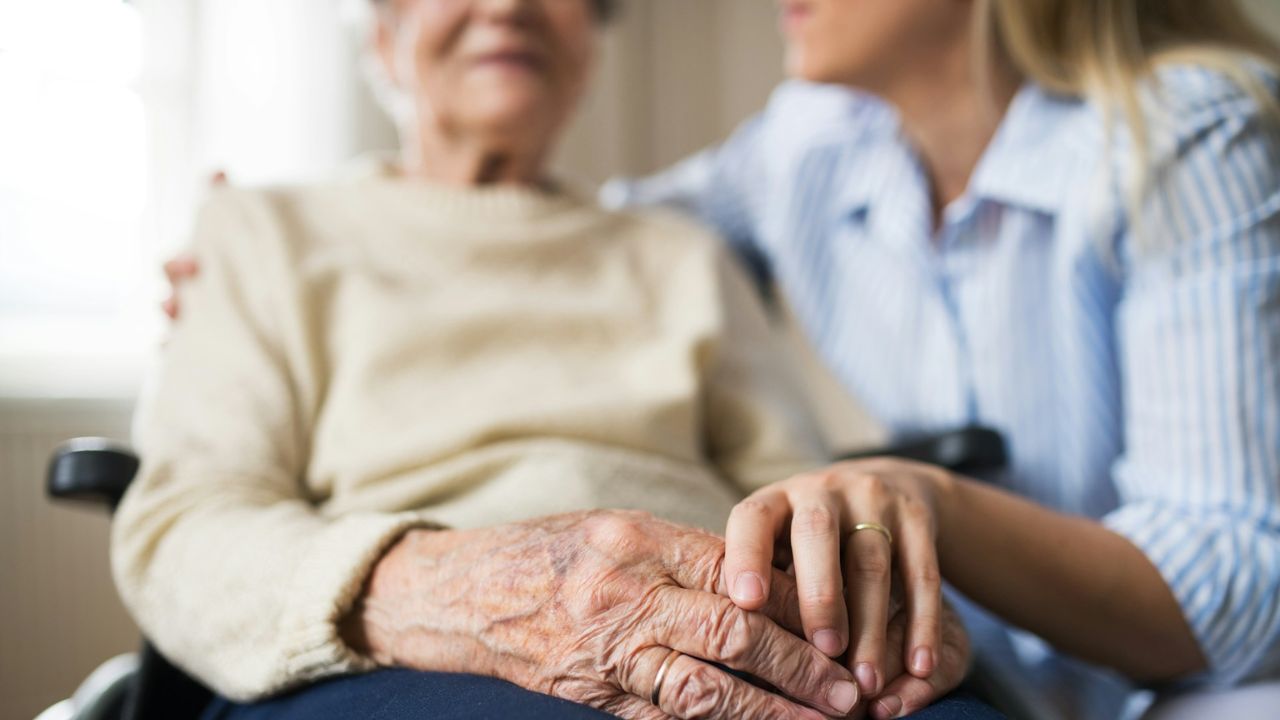
A doctor explains why dementia caregivers need to prioritize their own health, seek support and recognize the physical and emotional toll of caregiving.
Dr. Em Wong, MD, is an internal medicine physician and brain health coach specializing in integrative and women’s health approaches to healthy aging. She is board-certified by the American Board of Internal Medicine (ABIM) with 36 years in practice. She writes about caregiving, self-care, and brain longevity at iHeal Mag and is completing her first book, “Vibrant to 100: Extend Your Brainspan and Shape How You Age.” Connect with her on LinkedIn or at her site, Integrity Healing. Her goal is to be healthy in mind and body at her 100th birthday — and she wants to invite you along on the journey.
It was near closing time on the eve of Chinese New Year when I agreed to see a last-minute urgent booking. My nurse mentioned that Ms. Chan worked down the hall and just needed to pop in quickly, though she had declined to say the reason for the visit.
Ms. Chan’s niece, Grace, came in with her, telling me that she’d been worried about her aunt’s health. Apparently, Ms. Chan had been losing weight lately, so her boss had ordered her to leave the office early for our appointment, offering to pay the private doctor’s fee. Grace had just arrived in Hong Kong from the U.K. and was forcibly dragging her aunt in right before the long holiday weekend.
Ms. Chan was a middle-aged, somewhat disheveled-looking woman who was clearly ill at ease. She vaguely gestured to her chest and mumbled that there was something wrong with her breathing, not meeting my eyes. She was evasive with further questions and reluctant to have me examine her, so I had to gently insist, drawing the curtain around the exam table to protect her modesty.
Don’t tell grandma
I started by examining her tearful eyes, peering into her throat, and gently feeling her neck. I worked my way around to her back where I listened to her lungs with my stethoscope, noting her clammy skin and rapid breathing.
When I moved my stethoscope to her chest, she pushed my hand away and cried out to her niece on the other side of the exam curtain, “Don’t you dare tell Grandma, okay?! Promise me you won’t!” She was sobbing and wailing loudly, “It’s all my fault, I don’t know what happened. I didn’t know what to do.”
When I lifted her gown, I saw that Ms. Chan’s breast cancer had advanced to the point of breaking through the skin. I tried to explain that she would need to be admitted to the hospital. But Ms. Chan only became more panicked and pleaded desperately, “But I can’t leave her. Who will look after my mother? She has no-one else.”
Grace explained that Ms. Chan was the family caregiver for her 88-year-old mother who was living with dementia. To save on the expense of nursing home care, she had been serving as the live-in helper for more than a decade. Ms. Chan was admitted to a local hospital that night but survived for only a few months.
Ms. Chan’s case still haunts me. I can’t help wondering how long she’d lived with that breast lump. She must have been hiding the truth for months. She clearly blamed herself for getting sick and was wanting to put off facing the guilt and shame of no longer being able to take care of her mother.
It’s the worst fear for many caregivers: “What will happen to my loved one when I can’t carry this burden any more?”
We all need care
Caregiving can’t just be all about selflessness. Unpaid family caregivers need to take care of themselves too. Doctors have begun to recognize that when they see a patient living with dementia — there are actually two patients in the room. The family caregiver carries enormous physical and psychological stress caring for their loved one, often neglecting their own health needs.
Whether or not you identify as a caregiver at present, chances are you will be involved in caregiving at some point. According to the former U.S. First Lady and Founder of the Rosalyn Carter Institute for Caregiving, “There are only four kinds of people in the world: those who have been caregivers, those who are caregivers, those who will become caregivers, and those who will need caregivers.”
According to the Alzheimer Association, nearly 13 million people provide an estimated 83 percent of the unpaid care required for people living with dementia in the U.S. alone.
You may already know someone whose life has been touched by dementia. Dementia has a tendency to reshape relationship dynamics and emotional well-being across the whole family. Good dementia care involves asking after the health of the family caregiver. Supporting the caregiver means reminding them that they need to stay healthy in order to provide safe, sustainable care over the long haul.
If you are taking care of a loved one living with dementia, acknowledge for yourself what a courageous and lonely job you have. Caregivers live with the unrelenting uncertainty, heartbreak, and responsibility that comes with the messy reality of dementia. And caregivers are more vulnerable to work and sleep disruption, as well as strained financial and work circumstances.
You are not alone. It takes a village to care for someone living with dementia. Reach out to others for help. Whether you need physical respite, financial or social support, being a caregiver means being willing to ask for help and support for yourself too. Getting your needs met will benefit both you and the loved one you’re caring for.
FAQs
Caring for someone with dementia can involve sustained emotional, physical and practical demands. Research shows caregivers are more likely than non-caregivers to report frequent mental distress and depression, and dementia caregivers commonly experience disrupted sleep. Taking care of their own health — including getting adequate sleep, exercising, attending medical appointments and asking for help — can help caregivers continue providing care without neglecting their own well-being.
“Caregiver burnout” is a commonly used term for physical, mental, and emotional exhaustion associated with prolonged caregiving stress. Signs can include feeling overwhelmed or irritable, withdrawing from activities, changes in sleep or appetite, difficulty concentrating, and neglecting your own health. Persistent symptoms of depression, anxiety or severe stress should be discussed with a healthcare professional.