New Trials Signal ‘Historic Moment’ for Progressive Supranuclear Palsy
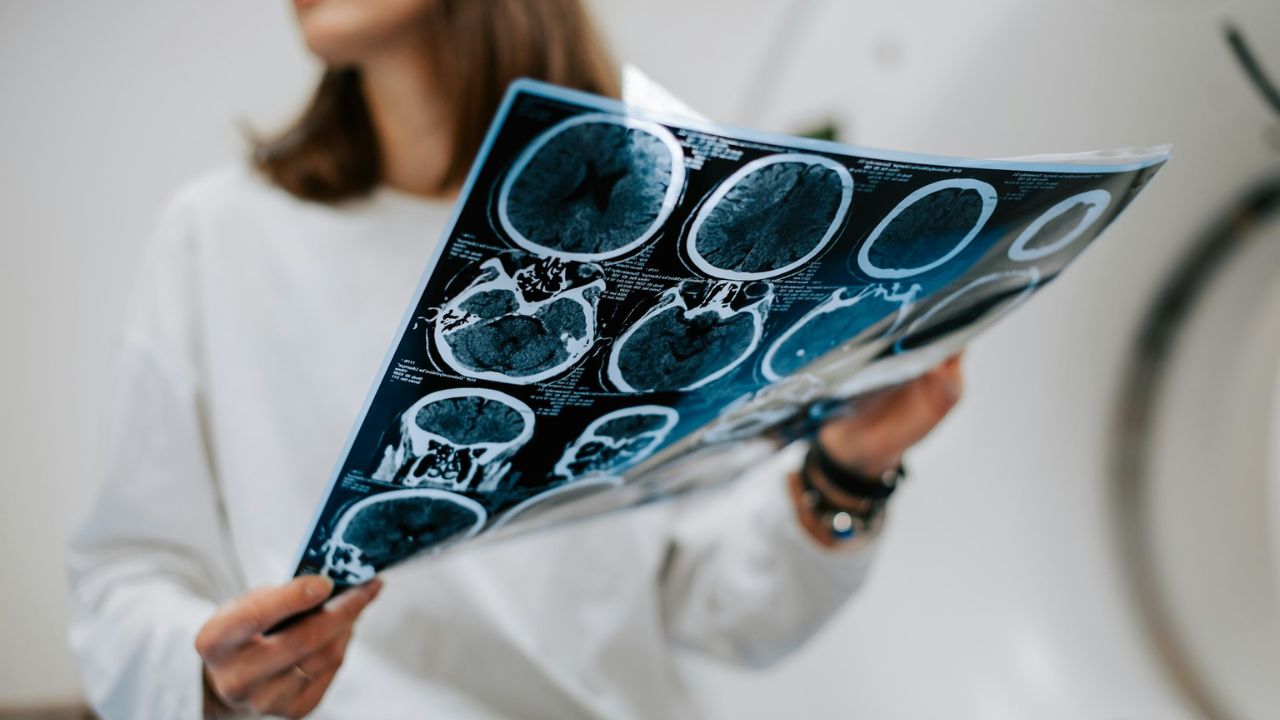
With trials testing four promising treatments for PSP, researchers and patient advocates hope they can turn the tide on the rare disease.
Often misdiagnosed as Parkinson’s, progressive supranuclear palsy (PSP) is a rare form of dementia affecting up to 30,000 Americans, leading to progressive motor symptoms and cognitive decline. People living with the fast-progressing disease often face years-long delays to an accurate diagnosis.
Advances in PSP research are now leading to more later stage clinical trials, which could mean the first approved treatment for the disease if they succeed. Kristophe Diaz, CEO of CurePSP, a non-profit organization, called it a “historic moment.”
Even though it may take years to find out if these drugs work, Diaz told Being Patient, these trials are “creating a lot of hope” within the community.
What makes PSP different from other dementias
PSP falls within the frontotemporal dementia (FTD) spectrum, a group of neurodegenerative diseases that affect language, behavior, and moment abilities. Looking at a group of people with the same symptoms, whether they’re behavioural or language-related, “it’s very hard to predict the underlying pathology,” UCSF neurologist Dr. Julio Rojas, told Being Patient.
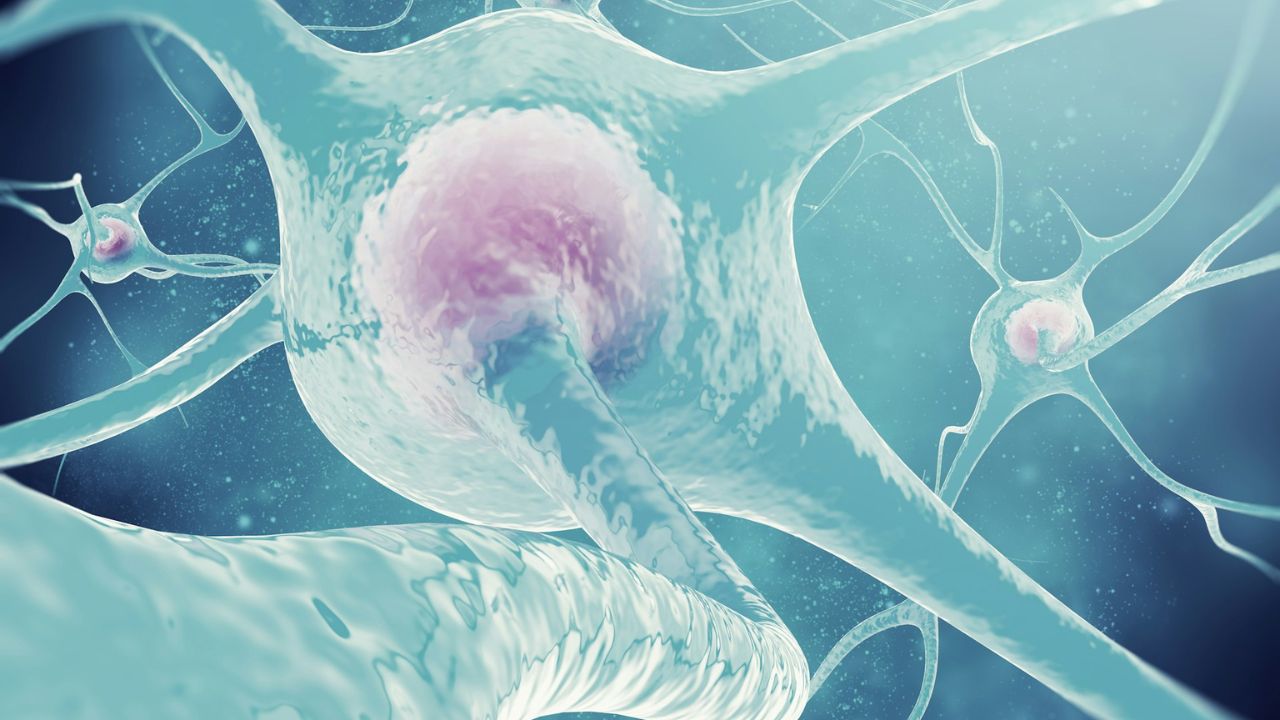
What makes PSP unique from other forms of FTD is the striking concordance between the clinical symptoms and the pathology, the protein aggregates that build up in the brain. PSP is defined by a build-up of a specific form of tau tangles, where each individual protein has four-repeating sections.
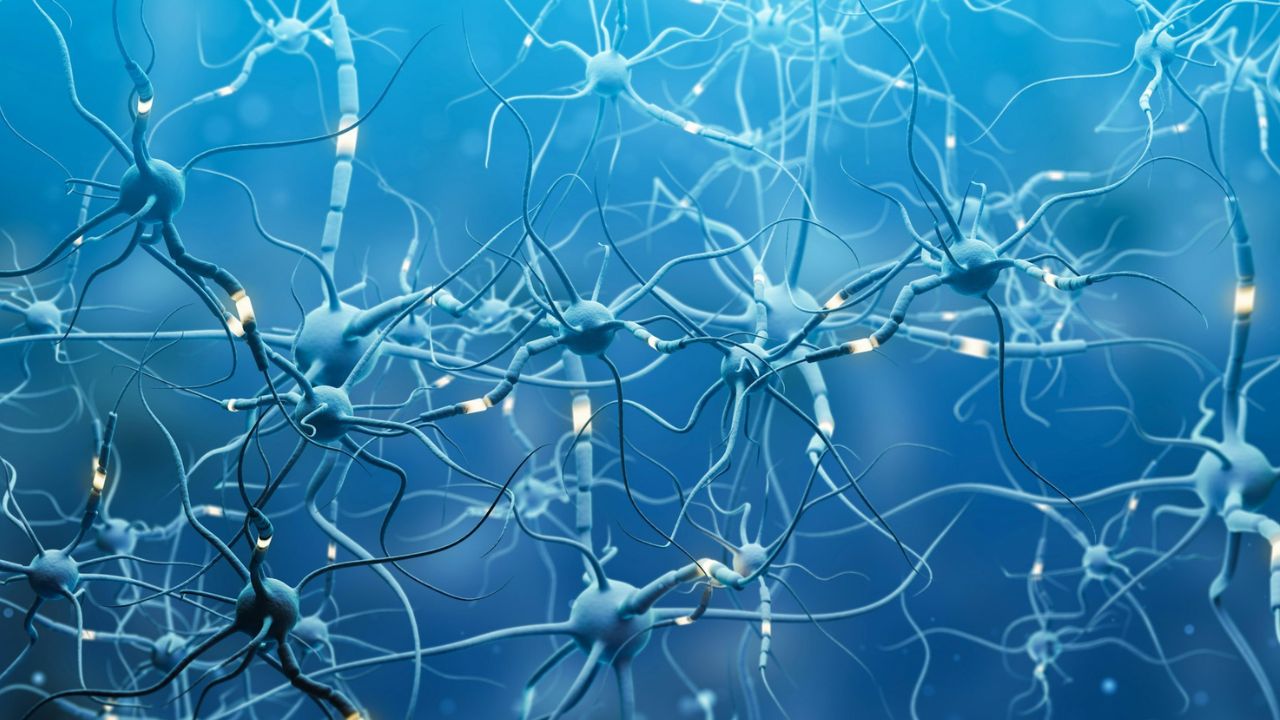
Normally, tau helps stabilize the intracellular highways that move molecules and proteins throughout brain cells. But in PSP and other diseases, they misfold, destabilize these highways, and lead to neurodegeneration. Since the tau tangles are distinct from Alzheimer’s, experimental treatments and diagnostic tools that might work for Alzheimer’s don’t work for PSP.
Since the disease is rarer than other dementias, “it’s been a challenge to convince many pharmaceutical companies to develop drugs for PSP,” UCSF neurologist Adam Boxer told Being Patient. Now, the tide might be turning.
The PSP drug pipeline
Rojas and Boxer are testing multiple Phase 2 drugs at once through a platform trial that will recruit 440 participants across 50 trial sites.
Boxer explained that the strategy involves a public-private partnership which subsidizes the development and testing for drug companies. “It’s really generating a lot of interest from drug companies who maybe previously wouldn’t have considered testing their drug for PSP,” said Boxer.
It also saves time by testing multiple drugs at once. Diaz also called platform trials “more ethical” since there’s a three-to-one chance a participant will receive one of the experimental medications. Three quarters of the participants will receive one of the drugs being tested while the rest will receive a placebo.
To decide which treatments to test, the platform trial convened a panel of researchers and patient advocates to rank the most promising treatments and contacted the pharmaceutical companies to see if they’d want to participate in the trial. In its current iteration, it will test a neuroprotective drug developed by PharmatrophiX’s called LM11A-31, Axon Neuroscience’s anti-tau vaccine AADvac1, and AlzProtect’s progranulin-boosting drug, AZP2006.
Platform trials could run in perpetuity. “If one of those drugs doesn’t work, we can drop it and add another drug,” Rojas said.
Since PSP is a rare disease, if one of these drugs succeeds, their drugmaker could file for accelerated approval.
Meanwhile, Novartis is enrolling 300 participants across the U.S., Canada, Europe, Australia, and multiple Asian countries for a Phase 3 trial of its drug NIO752.
The drug is a small strand of genetic code, called an antisense oligonucleotide, that binds to the instructions for generating tau proteins, which could hopefully slow the course of the disease. The drug requires a monthly spinal injection.
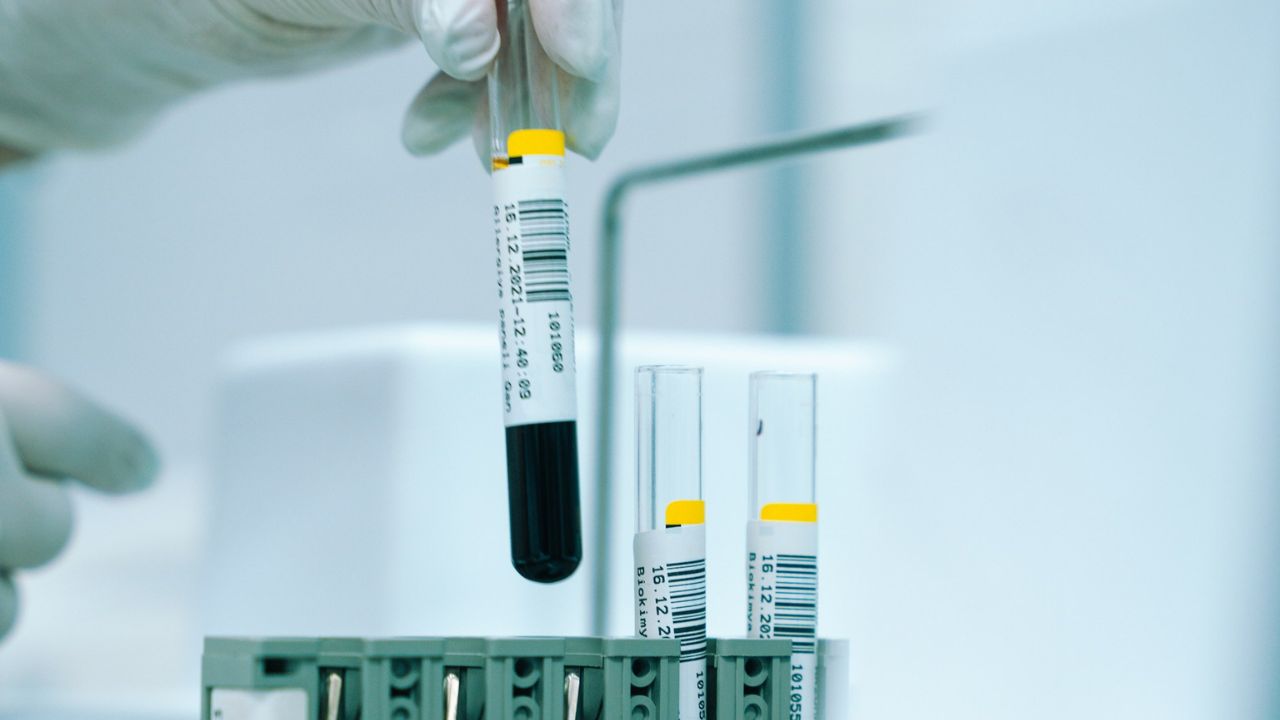
“The data from that trial that were presented a few months ago were really unprecedented in the history of PSP,” said Boxer. “It’s the first time that we’ve ever really seen very significant biomarker changes,” in the cerebrospinal fluid which suggests there’s a good chance it might slow the course of the disease.
Participants will be randomized two-to-one to receive either the treatment or a placebo and will be followed for one-and-a-half years to see if it works. The study will finish in 2031.
Since these trials target the disease early, many people in the later stages will be unable to benefit even if they succeed. “We still need to pay attention to the care, so not only to the cure, but we need better care models for PSP, with more resources, more caregivers, and more savviness around how to deal with the symptoms,” said Rojas.
FAQs
The earliest signs of PSP include frequent unexplained falls, balance issues, and slurring of speech. While it shares some symptoms with Parkinson’s, it progresses faster, affects eye movements making it difficult to look up or down and control eyelids, and leads to cognitive changes earlier on.
PSP is frequently misdiagnosed as Parkinson’s because both diseases share motor symptoms like muscle stiffness, slow movement, and balance problems. However, there are some distinct symptoms affecting eye movements and cognitive changes that could help differentiate the two diseases.
There is no FDA-approved cure or disease-modifying treatment for PSP. The drugs used to treat Alzheimer’s and Parkinson’s do not work. However, researchers and advocates are optimistic about new treatments. An upcoming platform trial will test three different treatments at once in Phase 2 trials, and Novartis will test its anti-tau drug in a Phase 3 trial.