The Genetic Detective Behind Major FTD and ALS Discoveries
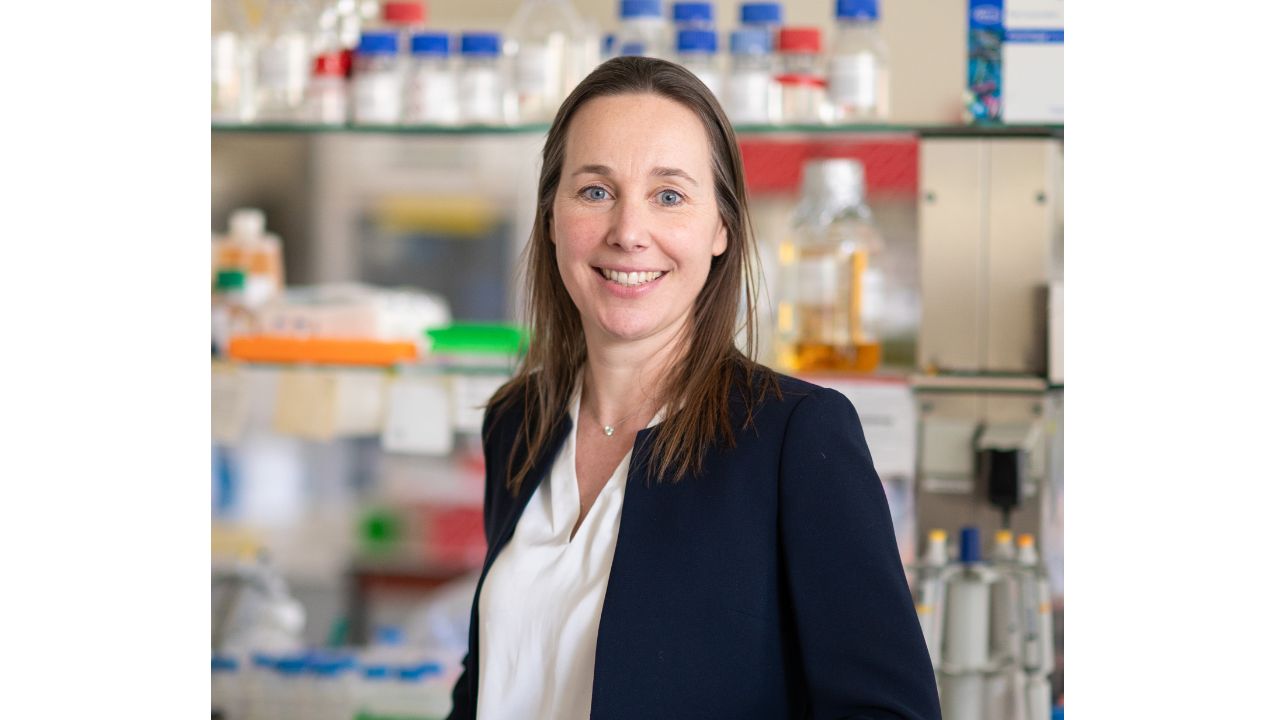
Honored with a Breakthrough Prize, Rosa Rademakers has spent decades uncovering the genetic mutations behind FTD, ALS, and other neurodegenerative diseases.
At the 14th annual Breakthrough Prizes ceremony in Los Angeles in April, known as the “Oscars of the science world,” Rosa Rademakers and neurologist Bryan Traynor shared the Life Sciences Prize for the 2011 discovery of the C9orf72 genetic variant, which causes both frontotemporal dementia (FTD) and amyotrophic lateral sclerosis (ALS).
Rademakers’ persistence helped her find the mutation even after hitting dead ends. The Vlaams Instituut voor Biotechnologie (VIB)-University of Antwerp and Mayo Clinic geneticist has also discovered other key FTD mutations — including GRN and, most recently, GOLGA8A.
“I can look back at things and think, ‘Oh my God, I was lucky many times,’” Rademakers said. “You always need a little bit of luck in research.”
Her investigations into the genetic underpinnings of FTD, ALS, and other dementias could help researchers understand who is at risk earlier and open the door to new treatments.
Discovering the genes that cause rare dementias
Rademakers remembers always being curious about the world. Before university, she thought about a career or journalism and law, so she could argue about and figure out the solutions to complex problems and scenarios. Instead, she became captivated by the molecular machinations of genetics.
“I thought it was interesting how a single letter change could have such profound effects on biology and cause disease,” she told Being Patient.
She settled on working with a prominent dementia geneticist, Professor Christine van Broeckhoven at VIB for her PhD. Rademakers was given the problem of figuring out why FTD ran in two families — but she couldn’t pinpoint the gene. After earning her PhD, she continued her work at the Mayo Clinic, becoming one of several researchers to independently establish mutations in the GRN gene as major genetic causes of FTD.
Rademakers received her own lab at the Mayo Clinic soon after and started focusing on a group of families whose members developed either FTD or ALS. Scientists weren’t sure why, but Rademakers was certain there was a mutation that could cause both diseases in the same family.
“You look for a piece of DNA that is present in all the affected individuals, but not in the healthy ones,” she said.
Though they easily located the chromosome that harbored the causative mutation, the exact genetic mutation evaded them. “It was a project that we started and then stopped and started again,” Rademakers said.
The persistence paid off. Another research group found a genetic mutation that caused one form of ataxia, a disease that affects movement and muscle coordination. The mutation was a repeat expansion — a pattern of extra repeating letters in the middle of the gene.
In 2011, when Rademakers and her colleagues used a technique that was sensitive to these repeat expansions, they found regions inside the C9orf72 gene with a six-letter repeat inserted into the gene. They developed a laboratory test to look for this mutation and found that over 30 percent of people who had FTD or ALS run in their family also harbored this mutation.
“If we can understand what this mutation does, it could be a therapeutic target for many, many patients,” said Rademakers. More than a decade later, scientists are still trying to figure out why this mutation leads almost everyone with a copy to develop FTD or ALS.
Rademakers’ latest research identified mutations in GOLGA8A which greatly increase the risk of developing a rare form of FTD, which scientists had previously thought didn’t have any genetic underpinnings. “I really fought hard to get grants to get that funded, because nobody believed me,” she said.
The Impact of Genetic Discoveries
The discovery of these genetic variants can be cathartic for families, Rademakers explained.
“They have a diagnosis, and they know for sure what’s causing the disease in their family,” she said. “You can give it a name, and also give hope.”
It also means they can benefit from genetic testing, said Rademakers, which helps with family planning.
These genetic discoveries have allowed scientists to develop animal models of these diseases, and experimental treatments targeting GRN have made it to late-stage clinical trials.
For C9orf72, developing treatments will be a challenge because there may be multiple reasons the mutation leads to the disease. It makes a dysfunctional C9orf72 protein, which is normally important for regulating neuronal health through waste disposal and other mechanisms. In addition to a malfunctioning protein, the instructions generated by the C9orf72 gene themselves may be toxic and could themselves lead the cell to make small, toxic products.
Rademakers said she is confident that scientists will develop treatments that target these rare dementias, but the key is intervening in time. To do that, researchers need to develop better biomarkers to figure out who to treat early, as these diseases often cause progressive damage to the brain for two decades before the onset of any symptoms.
In the meantime, Rademakers wants to see more research into so-called sporadic forms of dementia, which may uncover risk factors like GOLGA8A that are hidden genetic contributors.
FAQs
The C9orf72 genetic variant is a “repeat expansion” where a specific six-letter DNA sequence is repeated abnormally, altering the instructions for constructing the C9orf72 protein. As a result, it creates a dysfunctional protein that disrupts waste disposal, produces toxic genetic material, and creates small, harmful proteins that progressively damage the brain. Scientists think these factors might explain how this gene could lead to FTD or ALS.
Yes, scientists have observed many families where some members developed frontotemporal dementia (FTD) while others developed myotrophic lateral sclerosis (ALS). The 2011 discovery and characterization of the C9orf72 mutation explained how changes in one gene could predispose the same family toward these two different forms of dementia.
The discovery of the GOLGA8A gene shows that there may be genetic explanations for some of the forms of frontotemporal dementia (FTD) that don’t run in families. This discovery opens the door for earlier biomarker testing, risk assessment, and targeted experimental treatments before irreversible brain damage occurs. It may also lead to more researchers looking for hidden genetic causes of dementia.